


 malvernmugadzikwa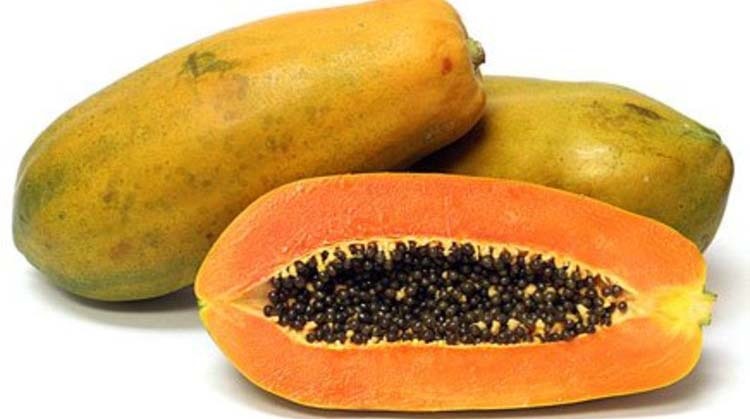
Word from the market with AMA
PAWPAW is a fruit that is often enjoyed by people all over the world.
It is known for its juiciness and sweet taste. It can be eaten as is or used in various recipes.
One of the great things about a pawpaw tree is that it is fairly easy to grow.
It can be grown indoors and in orchards.
If one is interested in venturing into pawpaw farming, one needs to have a seed, which is readily available at local nurseries. Once the farmer has the seed, they will need to plant it in a pot or in the ground. When growing pawpaw trees, it is important to make sure the fruit is exposed to plenty of sunlight.
In addition, there is need to make sure the soil is moist at all times.
Pawpaw trees can grow up to five metres tall, so there is need to make sure there is enough space for them to grow.
Pawpaws contain high levels of antioxidants — vitamins A, C and E.
Diets high in antioxidants may reduce the risk of heart diseases. The antioxidants prevent the oxidation of cholesterol. When cholesterol oxidises, it is more likely to create blockages that lead to heart diseases. Growing pawpaws can be a rewarding experience.
Here is a guide on how to grow them:
Select a suitable location
Pawpaws require warm temperatures and plenty of sunshine. Choose a location that receives at least six to eight hours of sunlight a day and is sheltered from strong winds.
Prepare the soil
Pawpaws grow best in well-draining soils that are rich in organic matter. However, compost or well-rotted manure can be added to the soil before planting. Acidity is also crucial, so make sure the soil is slightly acidic, with a pH of 6.0 to 6.5.
Planting
Pawpaw seeds can be sown directly into the ground or indoors in seed trays. Plant the seeds about 3 centimetres deep and keep the soil moist until germination.
When the seedlings have grown to about 15cm tall, they can be transplanted to their permanent location.
Watering
Pawpaws need regular watering to thrive, especially during hot and dry weather. Water the plants deeply and infrequently, preferably once or twice a week, to encourage deeper root penetration.
Fertilising
Pawpaws are heavy feeders and require regular fertilisation to produce a good harvest. Apply a balanced fertiliser every two to three months during the growing season. Also ensure the fertiliser is high in potassium to promote fruiting.
Pruning
Pruning is essential to keep the pawpaw plant healthy and productive.
Remove any dead or diseased leaves and branches, and prune the plant to maintain a single trunk. Make sure you remove any side shoots that emerge from the trunk to encourage upward growth.
Harvesting
Pawpaws are ready to harvest when they have turned yellow and are slightly soft to the touch. Use a sharp knife to cut the fruit from the tree, leaving a small stem attached. By following these steps, the farmer should be able to grow healthy and productive pawpaw plants.
◆ Word from the Market is a column produced by the Agricultural Marketing Authority (AMA) to promote market-driven production. Feedback: [email protected] or WhatsApp/Call +263781706212



 Bongani Ndlovu
 Online Reporter