malvernmugadzikwa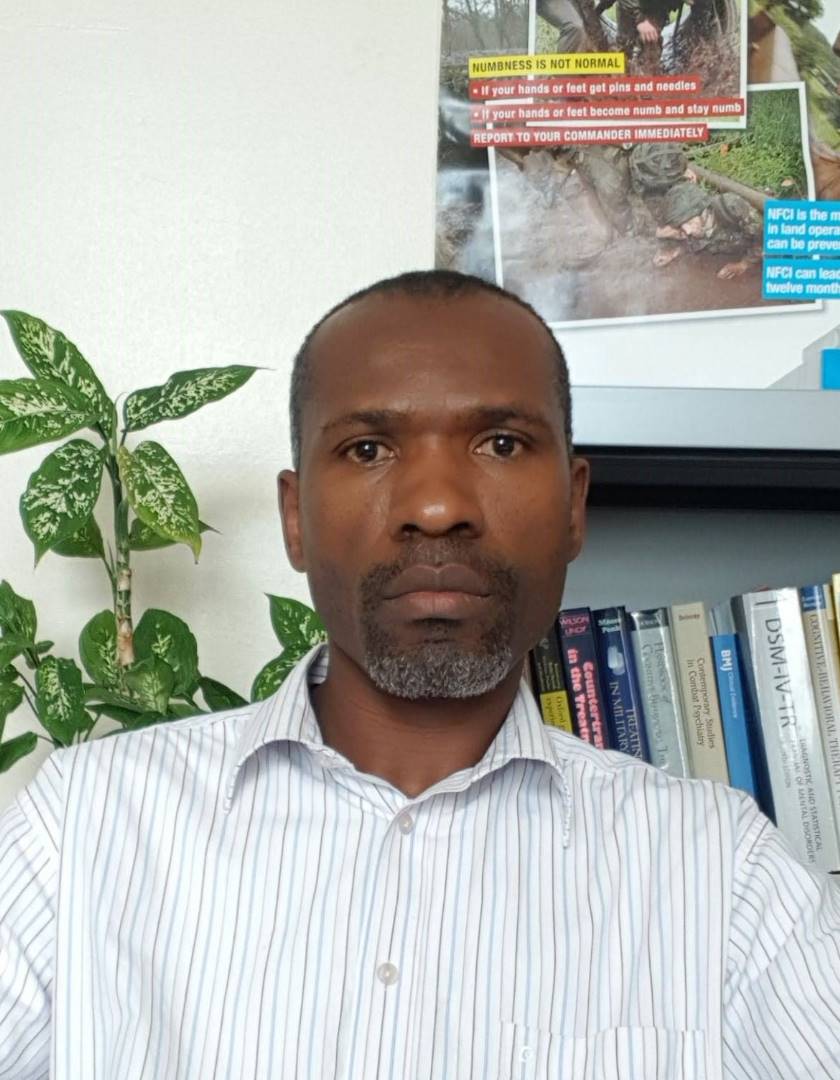
Mertha Mo Nyamande
ADDICTIONS have destroyed many lives and scarred generations in most communities.
So, how do we help our children and posterity?
Rehabilitation starts at home, with the family discussing and identifying the problem, as well as exploring solutions together.
From these discussions, a suggestion can be made for the affected person to go into rehab or seek any other form of assistance
But this should not be forced onto them.
Forcing someone into rehabilitation centres, some of which are pricey, is just like taking a donkey to the river; if it does not want to drink, it will not, no matter how hard you try.
Most families end up wasting lots of money going in and out of these facilities with no real progress.
Others end up abandoning and alienating their children, in desperation.
But families should seek help from social workers or psychologists to mediate these discussions.
Most of the time, the problem lies elsewhere but the one struggling is just too frustrated and often feels powerless to do anything about it.
By the time the family agrees to have the member go for rehabilitation, or more specifically assisted detox, it will lead to abstinence or better controlled or regulated use.
This is the time the family would be clear on what the real problem is and what it is doing to address the issue.
The detoxification process includes the initial stages of assessing the health and social care needs of the individual.
This provides an opportunity for a full health check, which many people rarely get.
A health check should be done every year regardless of whether we have pains or not in order to prevent major and costly surgeries.
The assessment stage is where some of the drivers of the addiction can be identified.
But most importantly, it gives an understanding of what the individual is addicted to and how long they have been hooked.
This is critical in measuring the level of help they will need.
It is not just about giving them a particular drug, as some may cause more harm than good.
Wrong therapy often explains why most addicted people relapse.
After the detox phase comes rehabilitation.
This is where we help change the behaviours that led them to these harmful habits.
It is done through a concept known as motivational interviewing, where the individual gets help to see the harm caused by their actions.
Initially, they may not fully understand it, as they may have normalised these habits.
A more in-depth level of therapy to address and change these disordered personalities is required at this stage.
Finally, the discharge planning has to be done with all the damages caused being considered, including a plan on how and when to address them.
There might also be damages to the individual they may need help to deal with.
This can be addressed through the support provided after the rehabilitation, especially ongoing therapy.
It can be formal or informal through the family, friends, church or other social spaces.
Please, assess the right help for each problem.
Not every addict requires an inpatient rehabilitation.
At times, they can be helped from home.
This is relatively cheaper and usually best if it can be managed.
Mertha Mo Nyamande is a psychotherapist. He can be contacted on: [email protected] or @ www.i-wellbeing.weebly.com



 Online Reporter