admin
admin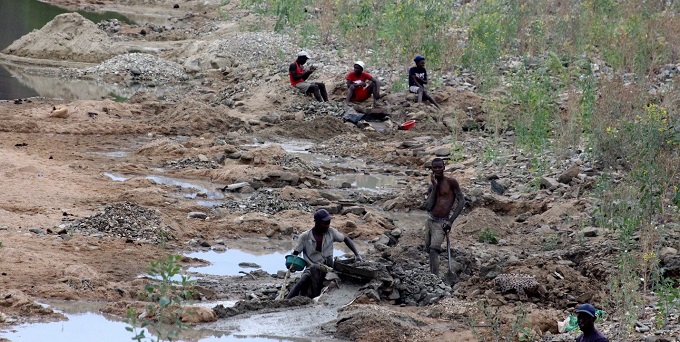
Picture collage by Obey Sibanda
Modifying the environment to fit the needs of society is causing severe effects, which become worse as the problem of human overpopulation continues. Some human activities that cause damage directly or indirectly to the environment on a global scale include river banks mining over exploitation, pollution and deforestation, to name but a few.

Increasingly, human activities such as mining threaten the water sources on which we all depend. Water has been called “mining’s most common casualty”. Some mining practices cause rivers to run dry.
The picture taken along Tuli River in Gwanda shows artisan miners mining along the river leading water pollution and disturbing the natural flow of the river.

The livestock sector is affected by the degradation of ecosystems and faces increasing competition for these same resources from other sectors.
The picture taken along the same Tuli River shows the dry river which has been affected by the illegal mining practices on the other side by illegal miners. Farmers are forced to come up creative ways of water harvesting. Each individual farmer digs a well along the river and pen only his cattle to drink water he has harvested.

Human activities cause pollution everywhere. From the trash thrown out on the freeway and uncollected waste, to the millions of metric tons of pollution pumped into the atmosphere every year– it is obvious, pollution and waste are inescapable.
The picture taken in Plumtree shows cattle scavenging on uncollected waste that was dumped in a pit. The waste has a potential of causing a myriad of diseases.

The quality of air in developing countries continues to plummet as smog continuously blocks out the sun in a dense shroud of pollution. Smoke primarily consists of particles and can include other gaseous air pollutants, including nitrogen oxides, carbon monoxide, and hydrocarbons that may be toxic. Exposure to smoke can cause health effects and make existing health conditions worse.

Sewage is wastewater that can be hazardous to the environment, which is why we don’t want raw sewage to get into the groundwater or other bodies of water. Besides being very smelly, sewage that gets into the drinking water supply, or bodies of fresh water or sea water, can do a great deal of damage to just about every element in the ecosystem
The picture taken in Lobhengula, Bulawayo shows flowing affluent which has not been attendant to for over six months. The residents who claim have been reporting to the City council but to no avail now fear for their health because of the diseases which they might contact as a result of sewer water.


 Online Reporter