

 Vusumuzi Dube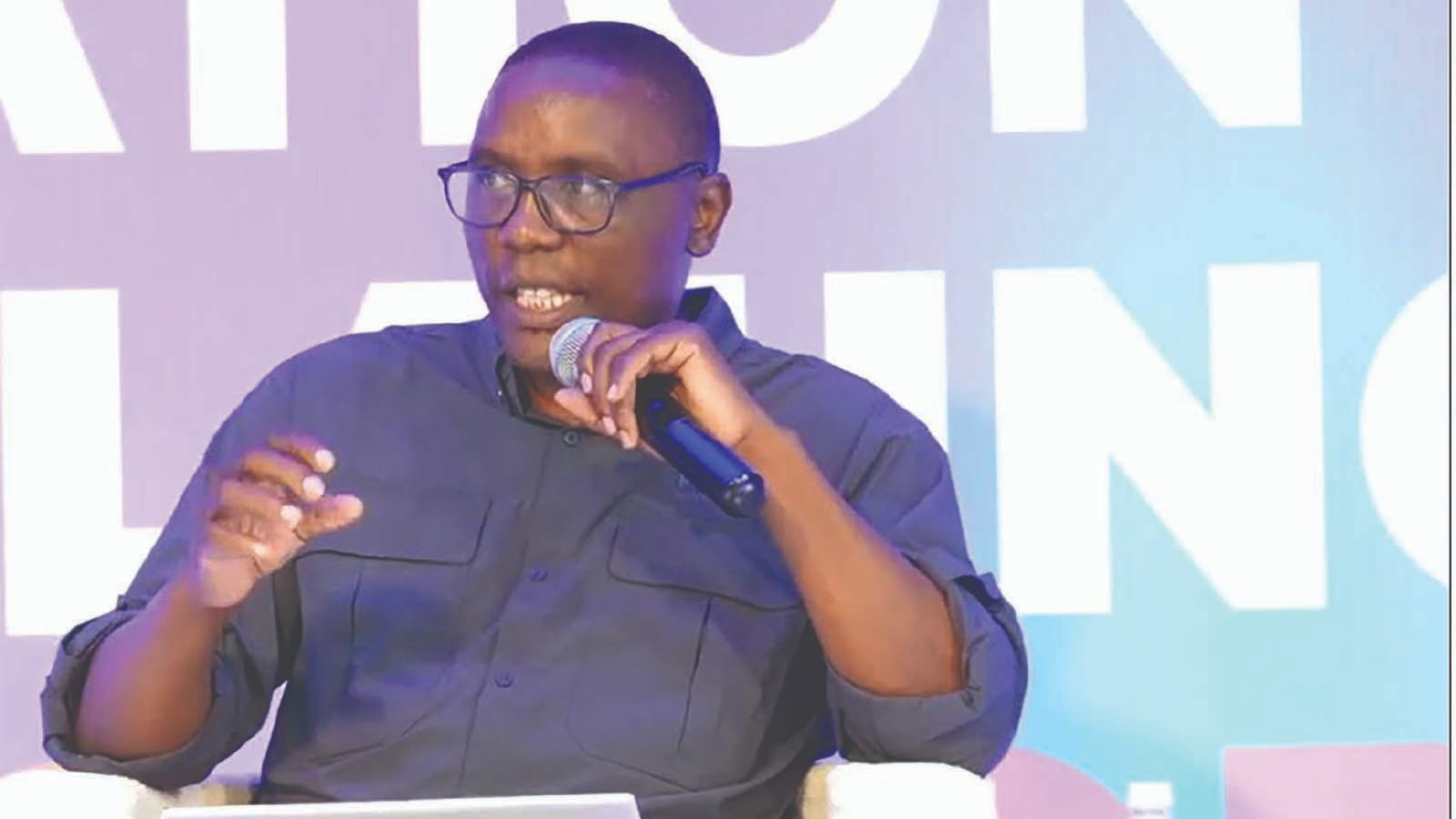
Judith Phiri, [email protected]
Zimbabwe should prioritise human capital development and re-engineering of local technologies for seamless transition to sixth-generation (6G) mobile wireless network technology.
6G technology will succeed 5G, and is expected to be launched commercially around 2030, promising speeds up to 100 times faster than the current technology, sub-millisecond latency and native artificial intelligence (AI) integration.
It will enable a hyperconnected, intelligent world, bridging physical and digital realms together through advanced sensing, digital twins and widespread edge computing.
While 5G focused on faster mobile broadband and connecting devices, 6G is designed to connect machines and human brains to the network in a deeply integrated way, essentially making the network an intelligent, sensing entity rather than just a data conduit.
This emerged during a panel discussion at the Postal and Telecommunications Regulatory Authority of Zimbabwe (Potraz) 2026 Innovation Product Launch and Business Expo in Bulawayo.
Ministry of Information Communication Technology, Postal and Courier Services, chief systems engineer, Eng Leonard Jukwa, believes human capital should be taken as a strategic multiplier when transitioning to 6G.
“Let me also look at the issue of human capital development. I think it’s very critical in this era, going forward beyond 5G.
“We should move away from just AI literacy or 5G and 6G literacy and move into the doing of things, AI engineering.
“Let’s have the development of our human capital that will be able to produce locally, that will be able to adopt and contextualise the technologies that we can actually get elsewhere,” he said.
“So, at the end of the day, we really need to move away from just literacy, but re-engineering of whatever technologies that we can actually adopt beyond 5G and this can only be done when we have a good social policy that would look at human capital as a strategic multiplier.”
He said there was a need to look beyond how the country can embed AI native infrastructure or infrastructure that is AI-ready.
Eng Jukwa said there was a need to create a policy baseline that speaks to AI-assisted networks within operators and the systems.
“Then also, the other aspect that quickly comes to note, besides putting a baseline policy to say let’s create AI ready infrastructure, we really also need to look at the issues to do with the licensing.
“You will find out that spectrum licensing, getting into the 6G era going forward, is definitely going to be an issue of technology convergence and we have to move away from how we are treating it currently as a country,” he added.
“We have to move away from the aspect of allocation of the spectrum, but rather to say let’s have a licensing framework that would make sure that it promotes the adoption and the development of AI 6G powered systems within our space.”
He said on the development of sandboxes, there was a need to move away from the silo approach and mentality.
A sandbox is a secure, isolated virtual environment that separates running programmes from the main system to prevent damage, malware, or system failures.
Eng Jukwa said that to avoid having a fragmented set of sandboxes, there was a need to come together as a country, have a comprehensive approach that breaks the silos and have an integrated approach.
“Be it in our sandbox policies, be it in our licensing and everything, we really need to break these existing silos.”
He said from a national perspective, something was being done (National Artificial Intelligence Strategy 2026-2030), but there was a need to have a national digital foresight unit.
“Wherever it can be domiciled, in the regulator, in the Ministry or in whatever office, but we really need to institutionalise that, such that we have got structures that would look at and say what are we going to do from here in the next 36 months, in the next 60 months, going forward, and we really need to have that structure.”
The Potraz 2026 Innovation Product Launch and Business Expo is a three-day event to provide a structured flagship national platform where innovators present market-ready solutions to investors, industry, government and development partners.


 Online Reporter
 Bongani Ndlovu