Online Reporter
Mbulelo Mpofu
Zimpapers Arts and Entertainment Hub
A GRIPPING new documentary set to première on Saturday is turning the spotlight on one of Zimbabwe’s most pressing challenges: human-wildlife conflict in communities surrounding the Hwange National Park.
The groundbreaking documentary, titled “Living in Harmony” and directed by Survivor Nyasulu, is worth viewing as its riveting theme captures both the beauty of the region’s wildlife and the poignant stories of the communities living in proximity to one of Africa’s largest game reserves.
With stunning visuals and heartfelt narratives, the documentary illustrates the daily challenges facing farmers and villagers, whose lives are increasingly impacted by wildlife encroachment.
As the human population in the area grows, the demand for land and resources increases, leading to frequent clashes between humans and animals.
Incidents of elephants trampling crops, lions preying on livestock and buffalos invading villages are vividly brought to life through emotional first-hand testimonies, with the resulting economic losses being central themes explored in the documentary.
The documentary features interviews with local farmers, who share their struggles and triumphs.
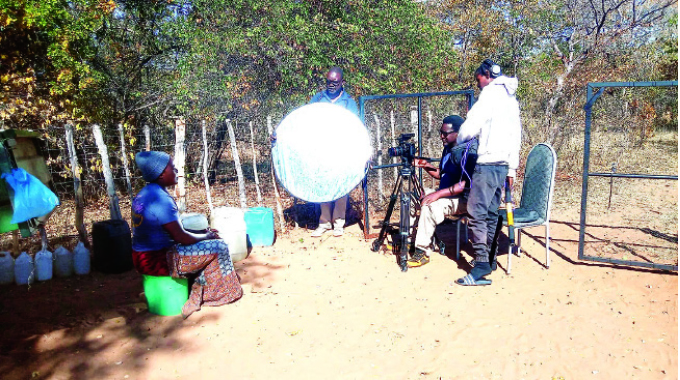
It is set to spark renewed conversation on the importance of addressing human-wildlife conflict, urging policymakers and conservationists to work alongside communities for effective solutions.
Early previews have drawn praise for the documentary’s storytelling and stunning cinematography, with conservationists predicting it will influence policy debates on how best to manage the country’s natural heritage. Local communities in Hwange, who were actively involved in the making of the documentary, are also eagerly awaiting its launch. For them, the documentary provides a long-overdue platform to share their struggles and hopes with the wider world.
The documentary will première at Soft Foot Alliance in Mabale, Hwange.
The regions surrounding the Hwange National Park, known for their rich biodiversity and various wildlife species, have been experiencing escalating tensions between human activities and wildlife conservation efforts. Nyasulu’s journey into the world of wildlife conservation began as a young boy.
“When I was in Grade Six, I attended a bush camp at Painted Dog Conservation (PDC), five days of free conservation education and game drives that changed my life,” he recalled.
This transformative experience ignited a passion that would lead him to become a ranger in 2015. Here, he faced the harsh realities of wildlife protection, often sleeping in the bush and patrolling amidst the Big Five.
“We’d recover five to 10 wire snares daily. Imagine 10 animals trapped, maimed or killed just in one day,” he said, illustrating the severe impact of poaching.
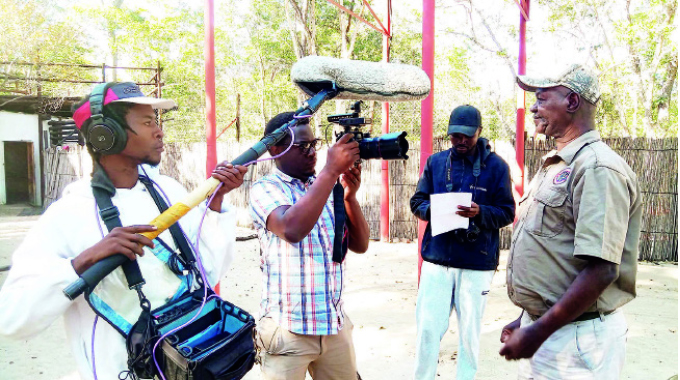
“Living in Harmony” is more than just a documentary; it is a call to action. The work aims to explore the complex dynamics of human-wildlife conflict, focusing on how human encroachment, agricultural expansion and resource extraction have increasingly infringed upon wildlife habitats.
Nyasulu’s goal is clear: to raise awareness on the consequences of these conflicts and promote understanding of the complexities involved in coexisting with wildlife. One of the key issues addressed in the documentary is human encroachment and habitat loss. As communities grow, human settlements increasingly intrude on wildlife territories, resulting in habitat fragmentation. The documentary illustrates how these changes disrupt natural wildlife corridors and increase the likelihood of encounters between humans and animals.
“If communities don’t benefit from conservation, why would they protect wildlife?” Nyasulu quizzed.
Agricultural expansion presents another significant challenge, leading to competition between humans and wildlife for resources. The documentary explores how the need for agricultural land impacts wildlife habitats, often resulting in crop raiding by animals. This competition can lead to economic losses for farmers and escalate tensions between humans and wildlife.
Nyasulu underscored the necessity of finding sustainable solutions. “We must show how agricultural practices impact wildlife habitats,” he said.
The work also addresses the critical case of poaching and illegal wildlife trade.
Poaching not only threatens wildlife populations, but also exacerbates human-wildlife conflicts. By showcasing the efforts of park rangers and conservationists, “Living in Harmony” aims to shed light on the challenges faced in protecting wildlife from illegal activities.
Nyasulu believes awareness and education are crucial in combating these threats.
“The biggest gap? Excluding locals from decisions. They bear the costs of conflict, crop raids, lost cattle, yet rarely share in tourism revenue or policymaking,” he argued. The documentary significantly focuses on the perspectives of local communities.
Nyasulu emphasises the importance of incorporating traditional knowledge and practices that have been used to coexist with wildlife.
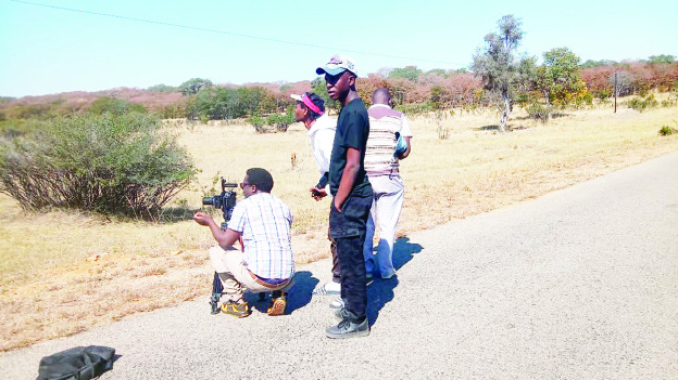
The work captures voices of local chiefs, village heads and residents, offering a holistic view of the challenges they face and the solutions they propose.
“Hearing this message from a trusted leader helps foster respect and appreciation among audiences and local people alike,” Nyasulu stated.
The documentary engages various stakeholders, including Government officials and conservation organisations, to explore potential solutions and mitigation measures to reduce human-wildlife conflicts.
By presenting diverse viewpoints and strategies, it aims to foster collaboration among all parties involved.
“I envision the documentary serving as an eye-opener that encourages open dialogue among all stakeholders. By reaching local communities, it gives them a platform to voice their experiences, concerns and ideas about living alongside wildlife,” said Nyasulu.
Throughout the documentary-making process, Nyasulu encountered numerous compelling stories that highlight the realities of human-wildlife conflict.
He recalls interviews with individuals affected by wildlife encounters, some of whom lost livestock to predators and others who have survived dangerous encounters with elephants and lions.
“These stories underscore the serious challenges communities face living alongside wildlife,” he said.
Despite these difficulties, many victims expressed a deep appreciation for wildlife, reflecting a complex relationship that encompasses both conflict and coexistence.
The documentary aims to serve as an educational tool that promotes conflict mitigation strategies.
Nyasulu hopes it will inspire community-based initiatives that can enhance conservation efforts.
“Community-based conservation initiatives are crucial because they involve local people as active partners in protecting both their livelihoods and the environment,” he asserted.
The film showcases programmes like those implemented by Soft Foot Alliance, which include improved livestock management and fuel-efficient cooking stoves to minimise encounters with wildlife.
Co-producer of the documentary, Matesu Dube, who is also Umkhathi Theatre Works director, said: “My role was line producer, organising all the processes from pre-production, production and post-production.
“I was supervising all the processes. It was a good learning curve for me as I was out of my comfort zone — theatre. I was putting into practice what I learnt in Lupane. My takeaway is that at times you need to follow the book so as to achieve what you are working on.”
As climate change and habitat loss continue to escalate, Nyasulu’s message resonates deeply: “I started with nothing, but passion. If a bush camp kid like me can help lead this fight, anyone can.”
His journey underscores the truth that saving wildlife starts with investing in the people who live beside it.
The première of “Living in Harmony” at Soft Foot Alliance represents more than just the release of a documentary. It is an opportunity for education, advocacy and the exchange of ideas among stakeholders.
Nyasulu believes that, by documenting real-life stories and experiences, the film can raise awareness and foster dialogue, ultimately contributing to the long-term sustainability of both human and wildlife populations, not only in Hwange, but other areas as well.