

 Chronicle Editor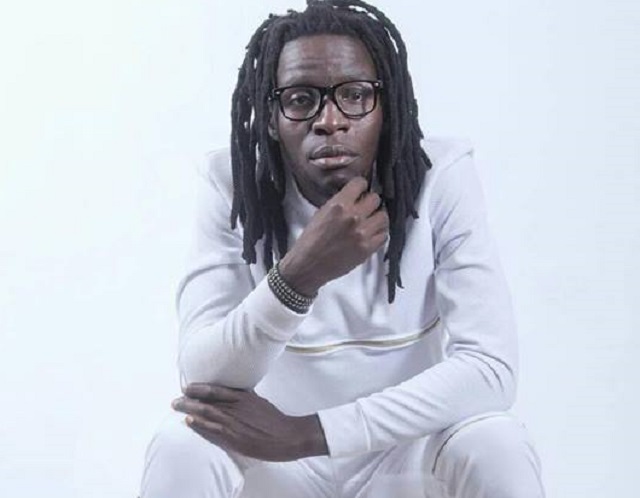
Bongani Ndlovu, Showbiz Correspondent
WHEN Hwabaraty dumped singing kwaito to reconnect with the sounds of his culture, his music started to make sense.
Born Japhet Mlauzi, the musician, because of his proximity to South Africa where kwaito rules, thought the best thing is to be a kwaito artist, a popular genre in Bulawayo.
During his time as a kwaito artiste, Hwabaraty released his first album Kasi Lami in 2008 that made noise here and there but not to his satisfaction. After some years of introspection and working with renowned musician Jeys Marabini who took Hwabaraty under his wing, the musician started to find his step in the industry.
Then 2016 was a turning point when he recorded and released the album Woza Nhlanhla that immediately struck the right chord in people’s hearts.
Although the album was fused with maskandi, kwaito and imbube, it was the imbube and maskandi tracks that stuck out.
Here was Hwabaraty’s biggest lesson; for him to retrace his footsteps and embracing his culture which gave birth to his third album Isilwane.
Anyone who has been following Hwabaraty’s career can attest to the fact that he has improved in terms of delivery and the style of his music has become more appealing.
Isilwane was released last year during an 11 album launch at a city hotel by Sabela Music.
Those who missed Hwabaraty’s performance on that night will be able to do so and become part of a live DVD recording at the Bulawayo Theatre this Saturday.
“As with any artiste when they release an album it should be accompanied with visuals. This is what I want to do with this live DVD recording and I invite all my fans to come and be a part of it,” said Hwabaraty.
What people get during a Hwabaraty performance is massive interaction and powerful stage performances with the help of a live band.
Hwabaraty said the album was named Isilwane meaning lion, as it was his family’s totem.
“The album attests to what I want to do as an artiste as I named it after my totem which means lion. I realised quickly that I needed to get back to my culture and roots and leave kwaito music,” said Hwabaraty who defines himself as an alternative musician.


 Online Reporter