malvernmugadzikwa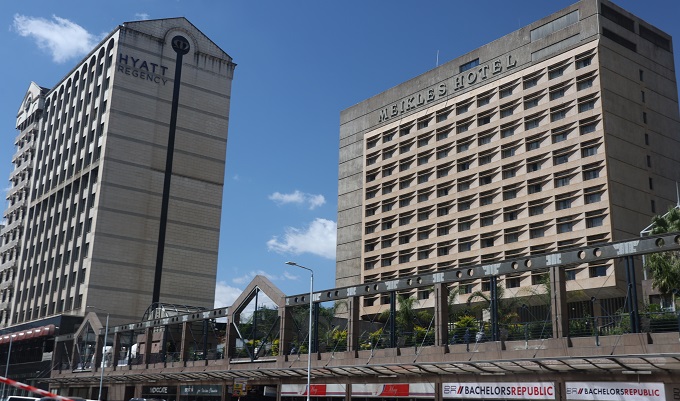
Dr Chipo Mtasa
THE tourism industry in Zimbabwe has been on a growth and transformation trajectory after the Covid-19 pandemic on account of upgraded accommodation and conferencing facilities.
On its part, the Government continues to provide an enabling environment by developing infrastructure, particularly roads, airports and border posts.
For example, the major transformation at the Robert Gabriel Mugabe International Airport has created the capacity to handle six million arrivals per year.
Also, the upgraded Victoria Falls International Airport can now handle 1,5 million arrivals.

The modernised Beitbridge Border Post is now a well-run port of entry, where all processes have been smoothened for travellers.
To cap this, the new Beitbridge-Harare highway is now a marvel to drive on.
According to figures from the Zimbabwe Tourism Authority, the country’s tourism sector is not holding back in terms of growth.
In 2023, there were 1,6 million international arrivals, a 54 percent jump from 2022.

Indications are that this trend is likely to continue into 2024 and beyond.
Average hotel occupancy in 2023 was 47 percent, with Harare, Bulawayo and Victoria Falls surpassing the country average at 50 percent, 52 percent and 53 percent, respectively.
There is evidently massive potential in the tourism sector, with strong growth anticipated in the meetings, incentives, conferences and exhibitions (MICE) areas, while business travel is expected to grow as the country attracts more investment, particularly in the mining, agriculture and energy sectors.
Victoria Falls will remain a star attraction for the country and the continued infrastructure developments in the resort city will only boost its status and drive more tourism traffic into the country.
Complementing Government efforts is a very vibrant private tourism sector that continues to invest in new accommodation, conferencing and other leisure industry facilities to boost the tourism economy.
It is against this background that the recent entry of a major global brand, the Hyatt Regency, is an epic development not just for the tourism sector but also for the country.
Indeed, congratulations are in order for all those who have been instrumental in bringing on board this highly esteemed global brand, which saw the re-branding of the former Meikles Hotel.
Branding is a major differentiator and it gives the hotel a unique identity, which stands out from the rest and attracts better patronage from both the local and international markets.
The Vision 2030 blueprint envisages Zimbabwe becoming “a prosperous and empowered upper middle-income society by 2030, with job opportunities and a high quality of life for its citizens”.
The Government further commits to “the creation of a competitive and friendly business environment while promoting private sector-led growth and development”.
The re-branding of Meikles Hotel to Hyatt Regency does create more opportunities for the country in terms of enhanced revenues, jobs and capacity to grow downstream businesses.
It is an endorsement by the private sector of the Government’s initiatives of growing and developing the tourism economy.
The entry of Hyatt Regency will greatly enhance Zimbabwe’s image and attractiveness as a destination of choice; more so for international and regional conferences.
The international business traveller would also prefer to stay in reputable brands, and Hyatt is a renowned global brand associated with exceptional quality and service.
That the hotel’s refurbishment project resulted in top-quality finishes gives further impetus to its standing as a top-notch brand.
Zimbabwe is known for its hospitable people, and the Hyatt brand in Zimbabwe will have a huge advantage in harnessing this strength.
The brand will offer extensive opportunities to the young and vibrant populace coming out of universities and colleges.
It also needs to be noted that the coming in of Hyatt Regency might just be the beginning.
It is a development that is likely to lure other global brands to come on board.
In Victoria Falls, there are indications that the Novotel brand is angling to come into the country. This opens up Zimbabwe for more visitors, particularly from source markets that are familiar with the brands and are sensitive to issues around comfort and confidence.
In conclusion, the entry of global hotel chains into the Zimbabwean market marks a significant development for the country’s hospitality sector.
While it brings competition, it also promises to elevate the overall standard of facilities and services, benefiting both tourists and the local economy.
With continued growth expected in the tourism sector, there is still ample opportunity for other international hotel chains to enter the market and contribute to its expansion and diversification.
Dr Chipo Mtasa is former CEO of the Rainbow Tourism Group and an ex-president of the Zimbabwe Council for Tourism.



 Online Reporter