Online Reporter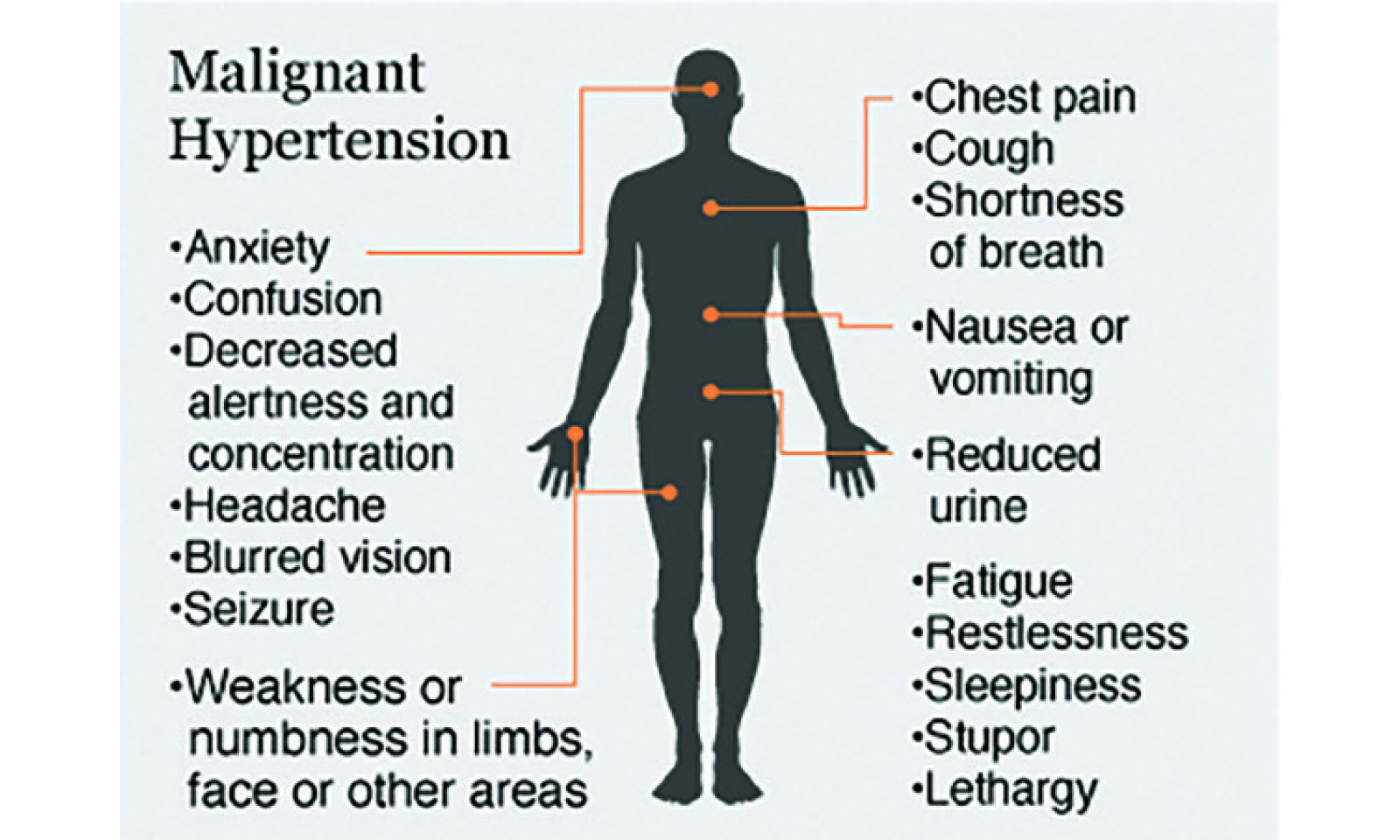
Rumbidzayi Zinyuke
Health Buzz
IN the busy rhythm of modern life, where fast food, stress, and sedentary habits are normalised, a silent killer has tightened its grip on populations around the globe.
Commonly referred to as high blood pressure, hypertension is a non-communicable disease (NCD) that has quietly embedded itself into the lives of millions, often without symptoms, and frequently without warning until it’s too late.
This year, World Hypertension Day was observed on Saturday, an occasion meant to raise awareness about the condition and promote accurate blood pressure measurement as a key step in prevention and management.
The theme, “Measure Your Blood Pressure Accurately, Control It, Live Longer”, underscored a powerful truth: awareness is not just informative, it is lifesaving.
Hypertension affects more than 1,28 billion adults aged 30–79 years globally, according to the World Health Organisation.
Alarmingly, nearly half of them are unaware they even have the condition. Traditionally associated with ageing, hypertension has now become a worrying trend among younger adults, particularly in urban populations, where lifestyle changes have brought convenience at the cost of health.
For young people, the diagnosis often comes as a shock. Many do not associate their occasional headaches, fatigue, or irritability with a chronic condition. Yet, behind these subtle symptoms may lie dangerously elevated blood pressure readings.
In young adults, hypertension is commonly linked to high sodium intake, alcohol and tobacco use, physical inactivity, and chronic stress.
Add to that the omnipresence of energy drinks, processed snacks, and long hours behind screens, and the picture becomes more concerning.
Among older populations, hypertension has long been a dominant health issue. It is often compounded by other medical conditions like diabetes, high cholesterol, or kidney disease.
With ageing comes the gradual stiffening of blood vessels, reduced elasticity, and cumulative exposure to unhealthy habits, all of which contribute to elevated blood pressure.
However, thanks to decades of health advocacy and routine screening programmes, elderly patients are more likely to be diagnosed and treated early.
Still, many struggle with medication adherence and lifestyle changes, underscoring the need for continuous education and support.
Hypertension is not just a standalone condition; it is a gateway to more severe complications.
If left unmanaged, it significantly increases the risk of heart attacks, strokes, kidney failure, and even vision loss.
It places an immense burden on healthcare systems, particularly in low- and middle-income countries where diagnostic resources are limited and treatment is often inaccessible or unaffordable.
The economic cost of untreated hypertension, through lost productivity, hospitalisation, and premature death, is staggering.
The urgency of tackling hypertension and related NCDs has not gone unnoticed on the global stage.
This week, health leaders, policymakers, and experts are gathering in Geneva, Switzerland, for the 78th World Health Assembly.
The annual meeting of the WHO’s governing body has once again placed NCDs, including hypertension, on its high-priority agenda.
With the world still grappling with the aftermath of the COVID-19 pandemic, the Assembly serves as a crucial forum to rethink public health strategies and allocate resources toward conditions that quietly cause the majority of global deaths.
As delegates at the assembly are deliberating, it is important that they come up with strategies that integrate NCD management into primary health care systems, promote early screening and diagnosis, and ensure equitable access to essential medicines.
They should also emphasise the importance of community-based interventions, digital health tools, and cross-sector partnerships, all vital in combating what has now become one of the most pressing health challenges of our time.
Education remains the cornerstone in this battle. Public understanding of hypertension, its causes, symptoms, and consequences, remains worryingly low.
Contrary to popular belief, hypertension does not always present with obvious symptoms. It is often dubbed “the silent killer” precisely because individuals can live with it for years without knowing. For this reason, routine blood pressure checks, even in apparently healthy individuals, are crucial.
The risk factors are well-known: excessive salt intake, obesity, lack of physical activity, tobacco use, and harmful use of alcohol. But emerging evidence also highlights the roles of mental stress, poor sleep quality, and even air pollution. Genetics, too, can play a part, a family history of hypertension increases one’s susceptibility, though lifestyle remains a powerful determinant.
Management of hypertension is not simply about medication. It involves holistic changes including regular physical activity, a balanced diet rich in fruits and vegetables, reducing salt and sugar, quitting smoking, and maintaining a healthy weight.
For many, it also means grappling with the challenges of behaviour change, particularly in environments where healthy choices are not always the easiest or most affordable options.
World Hypertension Day and the discussions at the World Health Assembly are important reminders that fighting hypertension requires global collaboration and individual action.
As nations commit to the Sustainable Development Goal target of reducing premature mortality from NCDs by one-third by 2030, the focus must remain sharp on prevention, early detection, and equitable access to treatment.
The conversation around hypertension must evolve beyond clinical settings. Schools, workplaces, community centres, and digital platforms must all be harnessed to spread awareness and foster healthier environments.
Because hypertension is not just a medical condition, it is a social, economic, and political issue that touches every aspect of life.
As the world reflects on the lessons of May 17 and the priorities being raised in Geneva, one thing is clear: the fight against hypertension is not one we can afford to ignore. It’s time to listen to the silence, and act.
Feedback: [email protected]