Online Reporter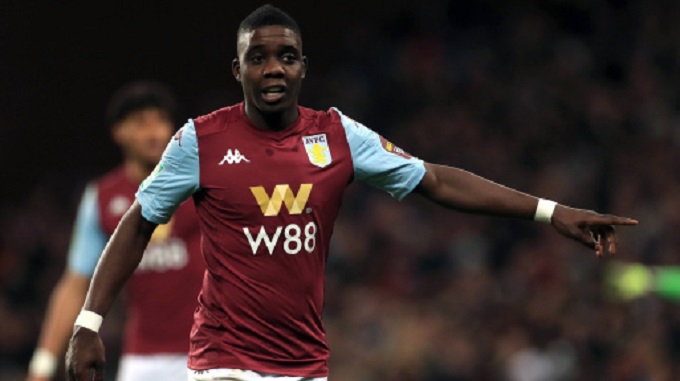
Tadious Manyepo recently MARRAKECH, Morocco
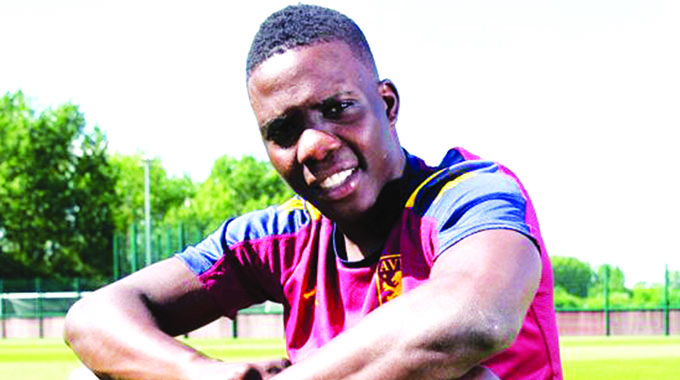
MARVELOUS Nakamba has barely slept for a week. The Zimbabwe captain is haunted by the moment that changed everything — a split-second decision, a desperate dive, and a handball that cost the Warriors dearly against their fiercest rivals, South Africa, at the Africa Cup of Nations in Morocco.
For years, Nakamba has been the understated hero in Zimbabwe’s midfield, the man who stitched balance into chaos, who fought the unseen battles so others could shine.
But on that fateful night at the Grande Stade de Marrakech, with just ten minutes left on the clock, time betrayed him. Until then, the Warriors had twice clawed back against Bafana Bafana and looked the more likely side to snatch victory.
They needed an outright win to finish second in Group B and book a historic place in the Round of 16. Even a draw might have been enough, given how other results unfolded later. But fate had other plans.
As Mohau Nkota’s strike arrowed in, Nakamba drifted left, convinced danger was imminent. In his desperation to clear, his hand brushed the ball before his head bundled it out. Initially, referee Mustapha Kechkaf awarded a corner.
Then VAR intervened. The verdict was brutal: handball. From the spot, Oswin Appollis made no mistake. And just like that, the Warriors’ dream dissolved into Moroccan night air.
Zimbabwe’s reaction was instant and raw. Fans, fiercely loyal and equally unforgiving, vented their heartbreak. Daggers were drawn not only for Nakamba but also for Divine Lunga and goalkeeper Washington Arubi, blamed for the second goal conceded five minutes after the break — a sucker punch against the run of play.
But this is Zimbabwe, a nation that breathes football, and such passion, however harsh, is part of the game.
Nakamba knows this better than anyone. He was just an eight-year-old at Dinde Primary when Wilfred Mugeyi missed an unmissable chance during Zimbabwe’s Afcon debut in Tunisia in 2004. He never saw the match live, but the story became folklore.
To this day, a glaring miss in a casual game is still called “a Mugeyi.” That’s how deep the scars run.
After the Marrakech heartbreak, Nakamba walked straight into the dressing room, his cheeks streaked with tears — some dry, some fresh.
Teammates tried to console him. They failed. He has made mistakes before, in a career that has taken him from the Netherlands to Belgium and England’s top flight. But never one that cut this deep.
“I take the flak,” he said quietly after the Warriors’ last supper at the Sofitel Hotel. The 29-year-old barely touched his food.
“I am heartbroken. If there are people that I never want to let down, then it should be Zimbabweans. Even when I play club football, I play there to make Zimbabweans proud. And these are the same people that I have disappointed today.
I am really sorry. I don’t know how to express this, but I am slowly sliding into depression with what I have just caused.”
Yet Nakamba insists he acted on instinct.
“I am never going to try and defend myself here. That will be abominable on my part. If you look at that phase of play, I was standing right in the middle part of our goal, just in front of goalkeeper Arubi. Just as the ball came, I drifted to the left and I never quite realised that the ball was going wide.
The first conviction was that I was the last man. The second was that the ball was going in. I then went down desperate to head the ball away. But the ball had a lot of pace and as I went down, I also inadvertently handled it before heading it out.”
He recalls Arubi’s reaction.
“Washy was behind me. Just after the incident, he calmly said: ‘Marve, you handled the ball. We are in a tight spot now . . .’” At that moment, Nakamba paused, then broke down.
I reminded him of the chances Zimbabwe squandered — Macaulay Bonne’s one-on-one miss, Tawanda Maswanhise hitting the upright, and young Tadiwanashe Chakuchichi hesitating when clear on goal. Nakamba shook his head.
“All that doesn’t really matter in this situation,” he said. “I should have done better in dealing with my situation. I have let everyone down. My country, my people and my family. I am really sorry to all of you.”
As we spoke, Prosper Padera — a player Nakamba helped unearth through his annual Marvelous Nakamba Foundation tournament — walked in to greet friends from the Finnish League. Just as he had done after the match and during dinner, the youngster tried to comfort his role model, even offering words of encouragement.
Nakamba nodded, but the weight of the moment lingered.
He knows he owes the nation. And he has vowed to repay that debt — not by walking away, but by fighting harder, serving longer, and leading with the same heart that has carried him this far.