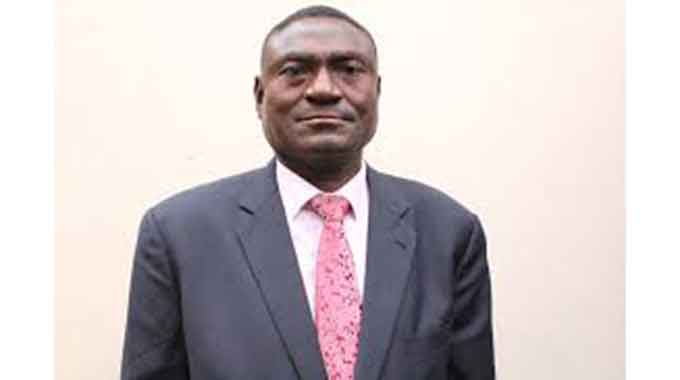
Online Reporter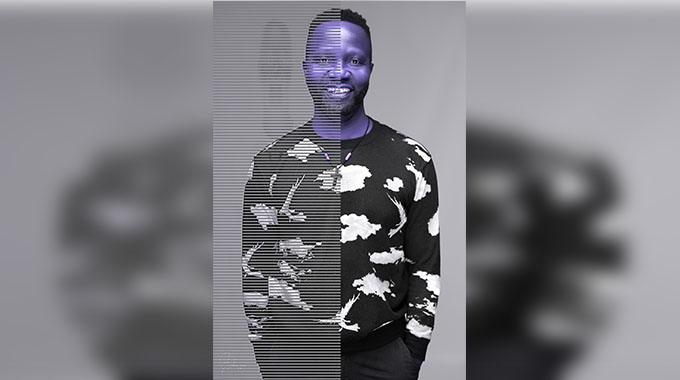
Bruce Ndlovu, Sunday Life Reporter
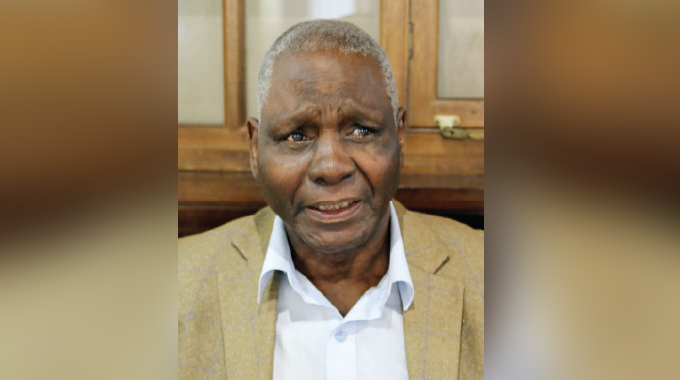
OF all the meetings he has attended in nearly three decades in the arts, one in particular stands out for Siyaya founder, Saimon “Mambazo” Phiri.
As a seasoned event organiser, Mambazo had travelled with a delegation of Bulawayo-based entrepreneurs to Harare, to meet local businesspeople, to raise funds for one of Zimbabwe’s major arts awards ceremonies.
All he needed to do was impress them with his know-how and he was advised to introduce himself as an artiste.
Mambazo had other ideas.
Like all fine storytellers, he knew he needed to go off-script and introduce an unforeseen sting in the tail.

“I walked into this meeting with “Rizzla’ (Reason Sibanda) and others,” he recalled in an interview with Sunday Life.
“Someone expressed how happy they were that, for once, artists had not just sent businesspeople but had come in person. When it was my turn to introduce myself, I said, ‘My name is Mambazo and I am a businessman.’ ”The mood in the room shifted.
“I could sense disappointment. They thought I was the artist they had heard about. Then I added, ‘I make stories — and I sell them for a living. That is my business.’ That is when they understood. Everything I own is because of the arts.”
That moment captured the disconnect artistes often feel when trying to transition from the stage to the boardroom, a leap that is proving increasingly necessary in today’s economic climate.
“When people talk about the problems in the arts, I listen,” Mambazo said.
“But I always remind them that there is a side of what we do that they do not understand. Likewise, when I sit with businesspeople, I see how little they understand about our world.”
For many, artistes are only seen as performers confined to the stage, gallery or screen. But in an era where the arts rarely pay well, especially in Zimbabwe, many creatives are keen to be recognised not just for their talent, but for their business sense.
“In Zimbabwe and I think this applies to most of Africa, everyone has a side hustle,” said award-winning rapper, Asaph.
“Teachers, doctors . . . everyone’s trying to make extra income. Just check WhatsApp statuses. Most people are selling something.”
The music business, he said, illustrates the struggle perfectly.
“For a musician to earn just US$20, a song has to be streamed thousands of times. So yes, branching out makes sense.”
But moving into business does not mean abandoning the craft. For Asaph, it is about branding and time management.
“Artistes need to build names that are respected enough to attract brand partnerships. That is possible — it is about planning. Too often artistes get stuck in the loop: get high, go to studio, shoot videos. That is not sustainable. Plan your day, your week, your month and both your art and business will benefit.”
Veteran playwright and Intwasa Festival koBulawayo director, Raisedon Baya, agrees that the term “creative industry” now demands a shift in thinking.
“We cannot ignore the business side anymore. Artistes need to survive from their work and to do that, they need to know how to monetise it. Otherwise, it is just a hobby,” Baya said.
He noted that in Zimbabwe, only a few fields, like music and the visual arts, allow artistes to live solely off their craft.
“Jah Prayzah, for example, does not have to go into business. His art sustains him. But others are not so lucky.”
In under-appreciated genres like theatre, literature or contemporary dance, where audiences are smaller, artists often need to balance their passion with an income-generating hustle.
“Many of our best writers worked day jobs and wrote at night. That is how they survived,” Baya said.
Still, Baya acknowledged the tension between creativity and commerce.
“At some point, your side hustle starts to compete with your art. And you may have to choose which one gets more time. There is a school of thought that says art should be done for art’s sake, for its purity. Others see it as a hobby. Both are valid.”
He stressed the importance of mutual respect in the sector.
“We must recognise what kind of artists we are. Whether you do art full-time or part-time, what matters is collaboration, respect and acknowledging each other’s paths.”