Online Reporter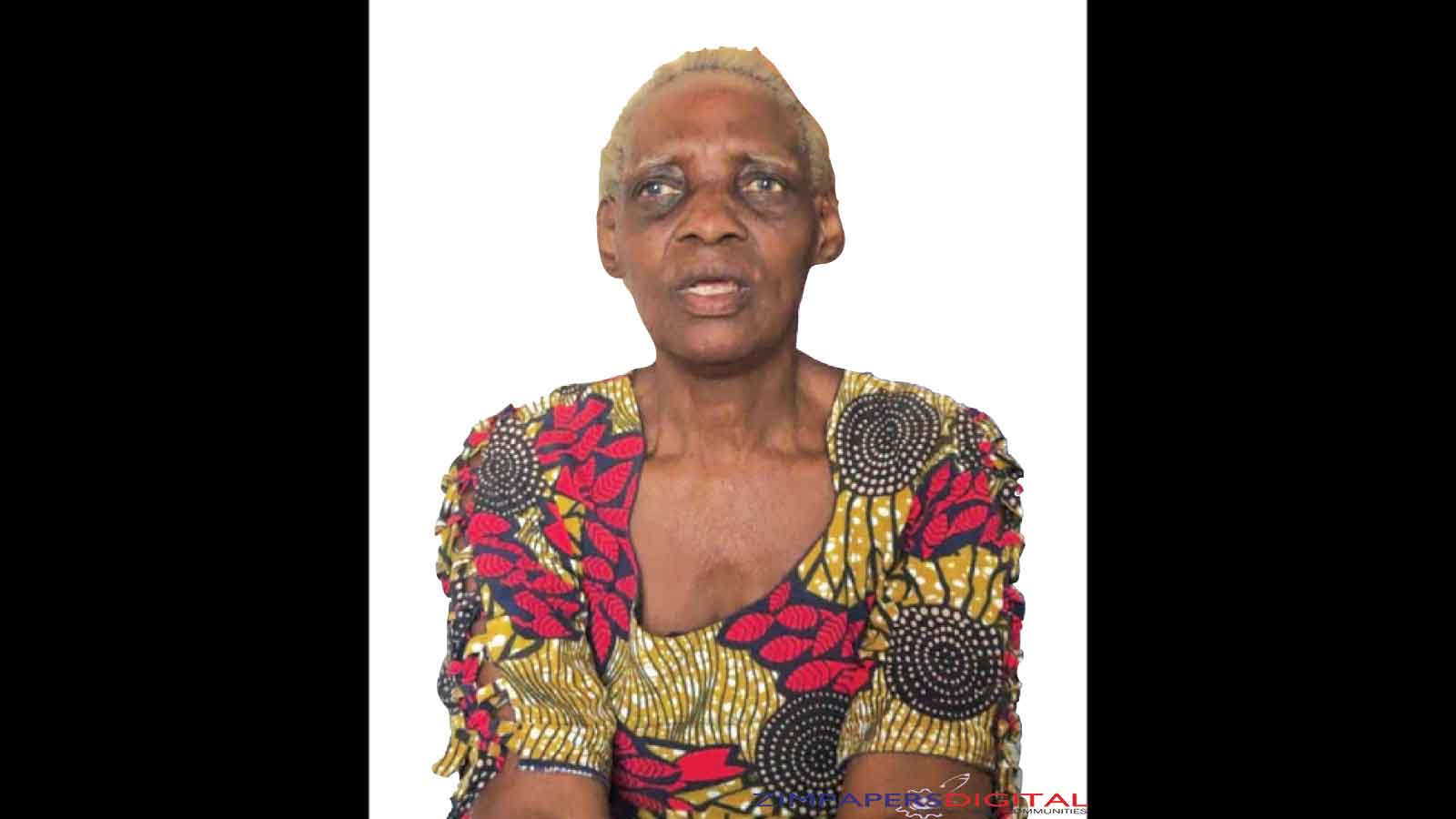
Chronicles from the Second Chimurenga
Last week, CDE NANCY MUSIYIWA, whose Chimurenga name was Cde Muchaneta Mabhunu, recounted her experiences working at the Liberation Centre in Zambia, where she served in the office of ZANU chairperson Cde Herbert Chitepo. She was later deployed to Chifombo, from where she transported war materials to the front, before returning to work in Cde Chitepo’s office. She also lived with him and his family, becoming closely integrated into the household. She continues her narration by telling Zimpapers Politics Hub’s KUDA BWITITI about the circumstances surrounding Cde Chitepo’s death, the dramatic events that followed and the turmoil that engulfed ZANLA before his death.
***************
Q: Describe your time living with Cde Chitepo.
A: I lived with his family, including his wife, Victoria. I became part of the family, and his children became my good friends. Some days, I prepared breakfast for Cde Chitepo. His favourite was toast bread. He also loved to keep fit.
He was a morning jogger and, on some days, he would jog all the way to the Liberation Centre. On the morning of his death, I was with him.
Q: What happened before his death that morning?
A: I prepared his favourite breakfast, which was toast bread. We lived with a young man called Obert, whom we affectionately called Junior because Cde Chitepo was very fond of him. He was 12 years old at the time and his parents had died in the war. Cde Victoria Chitepo had taken him in as her son. That morning, Cde Chitepo did not eat much. He told me that I could share the food with Junior. He then headed to his car with the intention of going to the Liberation Centre.
Q: As his secretary, why did you not go with him to the Liberation Centre?
A: I could easily have gone with him that day, but I was pregnant at the time. Because of my condition, I did not accompany him every day. Actually, that morning I asked him whether he would not prefer to walk with me to the Liberation Centre, to help me exercise. Looking back now, perhaps it was a premonition, but he politely asked me to remain behind.
Q: What happened next?
A: On the morning of March 18, soon after having his tea, Cde Chitepo got into his car. We heard the engine start and, just as the car was reversing, there was a deafening blast. It later emerged that the explosion was caused by a landmine that had been planted in the car.
The blast was so powerful that fragments struck a neighbouring house. I was not injured because I had already gone back into the house. If I had accompanied him to the car, I would also have been caught in the explosion.
His death sent shockwaves through the entire ZANLA leadership. The entire hierarchy was arrested by the Zambian security forces and held in detention for some time. A commission of inquiry was subsequently established by Zambia’s President Kenneth Kaunda. I was also interrogated because I had lived with Cde Chitepo and had witnessed events that investigators wanted clarification on.
The interrogation was severe. They questioned me about the landmine that had been used and wanted to know everything I knew about the circumstances leading to his death.
I did my best to tell them everything I knew from before Chairman Chitepo was killed . . .
Q: After the arrest of the ZANLA hierarchy, what happened to you?
A: They were later released but the party was in turmoil. Many ZANLA bases were closed. By then it was 1975 and Mozambique had gained its independence. ZANLA, therefore, decided to move its bases to Mozambique.
The first ZANLA base there was established at Tembwe.
Cde Tongogara asked me to remain in Zambia at the party house because many comrades were relocating to Mozambique.
He told me to remain at Number 93, the party house in Lusaka, where my responsibility was to advise and redirect comrades arriving from East Africa so that they could proceed to Mozambique.
I was also tasked with helping them obtain ammunition, food and other materials from Lusaka and ensuring that these supplies reached the front. Living at Number 93, I saw first-hand how difficult things had become for ZANU.
Cde Chitepo’s death had profoundly changed the situation. Cde Kaunda had done away with ZANLA because he wanted to work only with ZAPU . . .
For ZANLA, it was an extremely difficult period. The movement was trying to establish new bases and reorganise itself while still dealing with the shock and consequences of Cde Chitepo’s death.
So, both before and after Cde Chitepo’s death, ZANLA experienced very difficult times.
This was further compounded by the Nhari Rebellion, which caused serious disruption within the movement before Cde Chitepo’s death.
Q: How did the Nhari Rebellion destabilise ZANU and its military wing, ZANLA?
A: The rebellion began a few months before Cde Chitepo died. Some of the commanders who led it were Cdes Nhari, Badza and Caeser Molife. They were part of the ZANLA hierarchy at the front and were directly involved in fighting the war, so they had considerable influence.
Their grievance was that they believed the leadership in Zambia, led by Chairman Chitepo and General Tongogara, was not doing enough to support the fighters at the front.
They complained that they did not have enough ammunition, food and other supplies to sustain the war effort.
When they first came to Zambia, they said they wanted to negotiate.
They arrived before Cde Chitepo died and, after meeting him, laid out their grievances. Cde Chitepo promised to address their concerns. Some comrades believe that Cde Chitepo should not have met the Nhari group.
Although they had negotiated with him, their real intention in coming to Zambia was to stage a coup against the ZANLA leadership. Even after meeting Cde Chitepo, they proceeded to go rogue.
They engaged in serious misconduct and eventually kidnapped me and many other comrades.
Next week, Cde Musiyiwa relives the terrifying ordeal of her kidnapping during the Nhari Rebellion in late 1974, months before Cde Chitepo’s death.