Online Reporter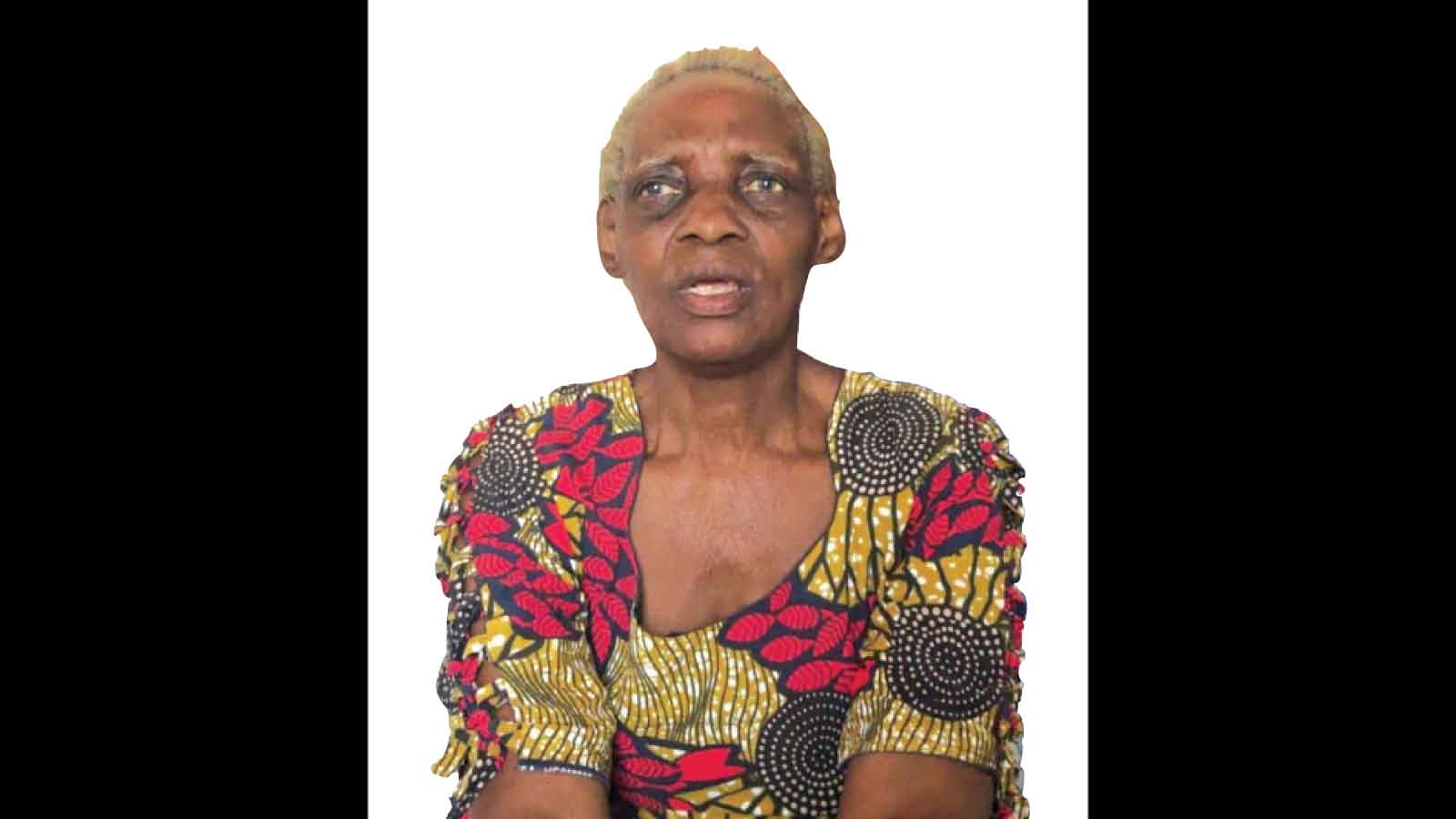
Last week, CDE NANCY MUSIYIWA, whose Chimurenga name was Cde Muchaneta Mabhunu, recounted the tortuous three-month journey from home in Mt Darwin to the Zambian border via Mozambique, finally crossing into exile to join the liberation struggle in Chifombo. She continues this week by detailing to Zimpapers Politics Hub’s KUDA BWITITI her time in Zambia, where her skills and dedication led to her selection to work in the office of ZANU chairperson, the late Cde Herbert Chitepo.
***************
Q: Upon your arrival in Zambia, how were you processed and where were you stationed?
A: Upon arrival, my capabilities were assessed. I was asked if I could read, write and speak English fluently. I confirmed that I was proficient. Recognising my skills, the leadership decided to deploy me to the Liberation Centre in Lusaka, the nerve centre for ZANU operations. In Lusaka, I was accommodated at House 93, Mpelembe Street, in the Kabwata township. This was a ZANU-owned property.
From our residence, we would commute daily to the Liberation Centre. This facility was a massive hub that housed several liberation movements, not only from Zimbabwe but across Southern Africa. Ndabaningi Sithole, the President of ZANU, had his office there, as did the ZANU chairperson, Cde Herbert Chitepo. We also hosted FROLIZI (the Front for the Liberation of Zimbabwe), led by George Nyandoro and James Chikerema, which maintained its offices in Lusaka. Furthermore, the African National Congress (ANC) of South Africa and the South West Africa People’s Organisation (SWAPO) of Namibia also operated from the Liberation Centre in Zambia. It was a bustling epicentre of revolutionary activity.
Q: What were your specific duties and experiences at the Liberation Centre?
A: I was introduced to Vester Mutambanengwe, the personal secretary to Cde Herbert Chitepo. She took a keen interest in me, fascinated by the fact that I had joined the struggle at the tender age of 16. She took me under her wing, mentoring and grooming me for the responsibilities ahead. From 1973 to 1974, we worked side by side in chairperson Chitepo’s office, managing secretarial duties. In addition to assisting her, I was entrusted to act as the office manager whenever she was away.
We worked seamlessly together until I was redeployed to Libala Stage 2, where I was placed at the residence of Cde Witness Mangwende.
The comrades wanted me to further my education and Cde Mangwende was an educator who had gone to university outside the country. However, my passion remained firmly rooted in the armed struggle. I expressed this desire to the leadership; that I wanted to physically contribute to the struggle. Cde Josiah Tongogara, understanding my resolve, told me I was free to follow my passion.
Consequently, I was deployed back to Chifombo in 1974. Around mid to late 1974, I traded my desk at the Liberation Centre for the trenches, returning to the frontlines to help fight the war.
Q: Upon your redeployment to Chifombo, what were your exact duties?
A: My primary duty was the transportation of war materials from Zambia to the frontlines. It operated like a highly coordinated logistical relay. We would move ammunition and supplies along the Zambezi River corridor, handing them over to the next group until the weapons finally reached the guerrillas in the field. During this perilous task, I worked alongside many senior comrades, including the late Cde Fox Gava (former Zimbabwe Defence Forces Commander General Vitalis Zvinavashe).
After performing this logistical work for some time, I was recalled to the Liberation Centre.
However, before I resumed my administrative duties, I was sent for what was known as “chimbi-chimbi” training.
This was an intensive, specialised crash course reserved for those who had served the party for a significant period.
It was a highly strategic course, as it was mainly meant for some senior cadres who did not know how to handle firearms.
It was predominantly designed for members of the General Staff and the High Command.
The objective was to ensure that our leaders knew how to handle guns and defend themselves in case they were caught in a battle or crossfire.
It was during this intense period of training that I fell in love with Cde Patrick Mupunzarima, one of the original cadres who had recruited me.
We made a solemn vow and officially registered our union with the party leadership. The party leadership agreed that we would get married only when the war had ended. This was a strict requirement by the party to maintain focus and discipline during the struggle.
Q: After completing your duties at Chifombo and the specialised training, where were you deployed next?
A: Following my stint at Chifombo and the ‘chimbi-chimbi’ course, I was redeployed to the Liberation Centre to resume my duties in Cde Herbert Chitepo’s office. This time, however, my responsibilities had expanded significantly. I was no longer just working at the office. I was moved to live at Cde Chitepo’s private residence in Zambia, alongside his family and his close aides, becoming deeply embedded in the inner circle of the ZANU leadership.
Next week, Cde Musiyiwa recounts her time living and working with the ZANU chairperson, Cde Herbert Chitepo, detailing the tense circumstances and events that unfolded just before his tragic death.