

 Online Reporter
Marshall Ndlela, [email protected]
Africa stands at an economic precipice, where its abundant resources and youthful demographic dividend collide with systemic vulnerabilities. For Zimbabwe, the pursuit of Vision 2030 — a roadmap to upper-middle-income status with a US$50 billion Gross Domestic Product and US$3 500 per capita income by 2030 — rests on three pivotal pillars: Information and Communications Technology (ICT), State-Owned Enterprises (SOEs), and Local Government. These forces, if revitalised and synergised, promise to diversify the continent’s economic fabric and propel Zimbabwe toward sustainable prosperity. This article dissects their current state, draws global parallels, and maps their transformative potential against Zimbabwe’s national ambitions, addressing entrenched challenges such as poorly performing parastatals, municipal corruption, and untapped digital opportunities.
The Current State of African Economics
Africa’s economic landscape in 2025 pulses with a projected 4,2 percent GDP growth, according to the African Union, fuelled by commodity exports (oil, minerals), a burgeoning service sector, and rapid urbanisation. Yet, beneath this optimism lies fragility: agriculture employs 62 percent of the workforce, and mining accounts for 50 percent of exports in resource-rich nations. Poverty persists, ensnaring 430 million below the US$1,90-a-day threshold, while youth unemployment averages 15 percent, with 20 million entering the job market annually. The continent’s 1,5 billion population, projected to hit 2.5 billion by 2050, amplifies both opportunity and urgency.
Zimbabwe encapsulates this duality. Its US$30 billion economy grows at three to four percent, driven by mining (gold, platinum, lithium) and agriculture (tobacco, maize), yet it grapples with sanctions, a 95 percent informal sector, and inflation spikes (70 percent in 2024).
Vision 2030, launched in 2018, targets a US$50 billion GDP, five million formal jobs, and universal access to health, education, and housing. ICT adoption (34 percent internet penetration), diaspora remittances (US$2 billion in 2024), and mineral wealth (10 percent of global lithium) offer hope, but structural inefficiencies — ailing SOEs, corrupt councils, and digital gaps — threaten progress.
Over-reliance on agriculture and mining: A sustainability risk
Africa’s economic backbone — agriculture and mining — teeters on unsustainable foundations. In Zimbabwe, agriculture engages 70 percent of the population, producing US$1,5 billion in tobacco exports, while mining contributes US$3 billion annually, or 60 percent of forex earnings. Yet, climate shocks expose their fragility. The 2024 El Niño-induced drought — the worst in four decades — slashed maize output from 2,5 million to 1,2 million tonnes, inflating food prices by 30 percent and jeopardising Vision 2030’s food security pillar. Mining faces depleted high-grade ores, US$500 million in annual smuggling losses, and sanctions barring equipment imports.
This vulnerability clashes with Vision 2030’s industrialisation target (manufacturing from 12 percent to 20 percent of GDP). Recurrent droughts, projected to worsen by 2030, demand irrigation (only five percent of farmland is irrigated) and value-addition (e.g., lithium batteries over raw exports). ICT can deploy precision farming, SOEs can construct dams like Gwayi-Shangani, and local government can mobilise rural resiliencex — essential for a shock-proof economy.
Lessons from Malaysia, Singapore, and Indonesia
Southeast Asia’s economic miracles illuminate Zimbabwe’s path. Malaysia, once reliant on rubber and tin, pivoted to manufacturing and ICT via the Multimedia Super Corridor, achieving a US$400 billion GDP by 2025, with tech at 22 percent of output. Singapore, resource-poor, leveraged trade, education, and ICT to hit a US$400 billion economy and US$82 000 per capita income, its e-governance slashing costs by 30 percent. Indonesia’s “Making Indonesia 4.0” blends industrialisation with digitalisation, targeting US$1 trillion GDP by 2030, diversifying beyond coal and palm oil.
Zimbabwe can adapt these strategies. Vision 2030’s Special Economic Zones (e.g., Sunway City) echo Malaysia’s tech parks, while Singapore’s digital public services inspire Zimbabwe’s e-governance push (50 percent digitisation by 2030). Indonesia’s infrastructure focus aligns with SOE-led projects like the US$300 million Harare-Beitbridge highway upgrade.
Estonia: A Tech-Driven Template for Zimbabwe
Estonia’s digital leap — from a US$2 billion GDP in 1991 to US$40 billion in 2025 — offers a compelling model. ICT drives 15 percent of its economy, with 99 percent of services online via X-Road, saving two percent of GDP annually in bureaucracy costs. Universal broadband and coding in schools yield a 90 percent digital literacy rate, fuelling startups like Bolt (US$8 billion valuation). Zimbabwe’s Vision 2030 targets 75 percent internet penetration (from 34 percent) and one million digitally skilled youths. Estonia’s playbook — rural connectivity, e-services — can accelerate this, though Zimbabwe’s US$500 million ICT budget shortfall and 20 000 annual skills exodus pose hurdles.
Sanctions and Zimbabwean Innovation
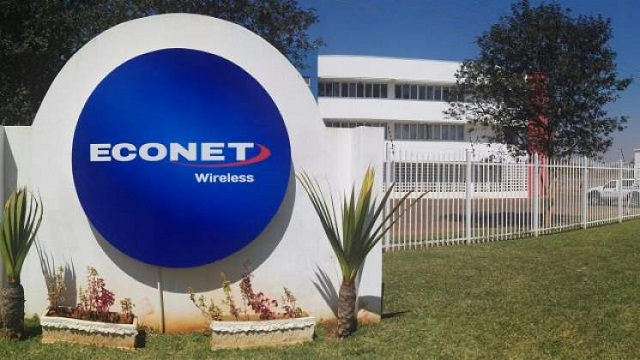
Sanctions since 2001 have forged a crucible of innovation. EcoCash, launched by Econet, processes US$8 billion yearly, serving 10 million users and aligning with Vision 2030’s 90 percent financial inclusion goal. Mukuru, a diaspora remittance platform, channels US$1,5 billion annually, supporting SMEs and households. These fintech breakthroughs mitigate banking exclusion, but sanctions cost US$5 billion yearly in lost trade and credit, clashing with Vision 2030’s global reintegration target. ICT’s domestic resilience — e.g., InnBucks’ cashless payments — offers a lifeline, pending diplomatic breakthroughs.
The Diaspora’s Competitive Edge
Zimbabwe’s three million diaspora, spanning South Africa, the UK, and the US, are Vision 2030’s unsung architects. Remittances hit US$2 billion in 2024, outstripping Foreign Direct Investment (US$600 million), with Vision 2030 eyeing US$5 billion by 2030. Beyond funds, diaspora innovators like Strive Masiyiwa (Econet) and Silicon Valley engineers drive ICT — EcoCash and Mukuru reflect their imprint. Their expertise in AI, renewables, and blockchain can modernise mining (e.g., lithium processing) and agriculture (e.g., drone farming), supporting Vision 2030’s five million job target.
SOEs: Poorly performing Parastatals and Revenue Collectors
SOEs should anchor Vision 2030’s infrastructure, but many are shells. The National Railways of Zimbabwe (NRZ) operates 500 of 4 000km of track, its US$400 million debt and 50-year-old locomotives hobbling Vision 2030’s logistics goal (20 percent cost reduction). Zesa generates 1 200 MW against a 2 200 MW demand, with outages costing US$2 billion yearly in lost output — far from the 5 000 MW target. The Grain Marketing Board (GMB) hoards 500 000 tonnes of maize but lacks milling capacity, collecting US$100 million in fees without value-addition.
These parastatals prioritise revenue — NRZ’s US$50 million freight income, ZESA’s US$300 million tariffs — over service delivery. Vision 2030’s US$10 billion infrastructure plan (roads, dams, power) falters without reform. A Ministry of Monitoring and Evaluation, inspired by South Africa’s SOE oversight, could enforce accountability. Partial privatisation—TelOne’s US$50 million 2024 stake sale — or PPPs (e.g., ZIMRE’s US$200 million solar farms) could inject capital and expertise, aligning with Vision 2030’s efficiency mandate.
Local Government: Corruption, Land Abuse and Potential
Zimbabwe’s 92 municipalities — 60 rural, 32 urban — are Vision 2030’s grassroots engines, but corruption and land abuse cripple them. Harare City Council’s 2024 scandal saw US$300 million in land sold to cronies, while Chitungwiza’s US$50 million rates vanish yearly.
The Zimbabwe Anti-Corruption Commission (ZACC) pegs municipal losses at US$1 billion annually, clashing with Vision 2030’s housing (500 000 units) and tourism (US$5 billion) targets. Land sales abuse — e.g communal plots in Gokwe turned into elite estates — displaces farmers and deters FDI.
Yet, councils wield immense potential. Hwange’s wildlife and Nyanga’s forests can drive tourism, while traditional medicine (zumbani, US$20 million export potential) and fruits (marula, 10 000 tonnes yearly) tap global markets. Chiefs could steward cultural assets — Great Zimbabwe drew 200 000 visitors in 2024. Vision 2030 demands anti-corruption courts and digitised land registries to unlock this.
ICT: Untapped Digital Opportunities
Zimbabwe’s ICT sector, though embryonic, holds transformative promise for Vision 2030’s US$5 billion digital economy goal (from US$1 billion in 2024). Internet penetration rose to 34 percent in 2025, with 75 percent targeted by 2030 via NetOne’s US$100 million 4G rollout. Key opportunities include:
E-Commerce: Platforms like Zindiq and ShopZW can connect 50 000 rural artisans to US$500 million in global sales, supporting Vision 2030’s SME pillar.
Agri-Tech: IoT and drones, piloted in Mashonaland East, can lift yields 25 percent (US$300 million value), countering drought risks.
E-Governance: Digitising Zimra and councils could boost revenue from US$4 billion to US$12 billion, cutting US$1 billion in leakages.
Education: E-learning platforms (e,g Zimsec’s 2024 pilot) can train 500 youths yearly, meeting Vision 2030’s one million skilled workers goal.
Health: Telemedicine, trialled in Manicaland, can serve five million rural patients, aligning with universal healthcare targets.
Fintech employs 10 000 agents via EcoCash, but high data costs (US$1/GB vs. US$0,50 target) and a 66 percent connectivity gap stall progress. Vision 2030’s US$1 billion ICT fund can bridge this, positioning Zimbabwe as a digital leader.
Zimbabwe’s Vision 2030: Integrating the Trio
Vision 2030’s success hinges on ICT, SOEs, and Local Government convergence:
ICT: Digitises SOEs (e.g Zesa’s smart meters, saving 200 MW) and councils (e.g., e-rates, recovering US$200 million), slashing graft.
SOEs: Build ICT backbone — fibre optics (US$50 million), Lake Gwayi-Tshangani (US$600 million) — and support municipal tourism.
Local Government: Deploys ICT rurally (e.g 10 000 solar-powered hotspots) and leverages SOEs for labour pooling (e.g 50 000 jobs in Bulawayo’s waterworks).
This trio fuels Vision 2030’s pillars:
1. Economic Growth: ICT spurs SMEs; SOEs industrialise; councils tap forestry (US$100 million).
2. Governance: E-governance and SOE audits save US$2 billion; councils adopt blockchain land titles.
3. Social Development: ICT trains one million; councils deliver 500 000 houses.
4. Infrastructure: SOEs build 5 000km roads; ICT optimises usage.
5. Environment: Councils protect two million hectares; ICT promotes solar (1 000 MW).
Beyond the Trio: Reforms and Catalysts
Zimbabwe must tackle corruption (US$1,8 billion lost yearly), skills flight (20 000 professionals annually), and land tenure chaos (80 percent rural land untitled). A 25 percent education budget hike, diaspora tax breaks (US$100 million yearly), and chiefs’ land councils can reverse this. Lithium (one million tonnes yearly) and gas (five trillion cubic feet), processed via SOEs, could fund Vision 2030’s US$60 billion cost. AfCFTA’s US$3 trillion market and China’s US$3 billion loans amplify the trio’s reach.
ICT, SOEs, and Local Government are Zimbabwe’s fulcrum for Vision 2030 — and Africa’s economic renaissance. Dilapidated parastatals, corrupt councils, and untapped ICT potential are daunting, but Estonia’s digital leap, Malaysia’s diversification, and Zimbabwe’s resilience chart the way. By reforming SOEs, purging municipal graft, and unleashing digital opportunities, Zimbabwe can hit its US$50 billion GDP target, forging a prosperous, inclusive future by 2030.
Marshall Rufura Mupazi Ndlela is a PhD Candidate.


 Bongani Ndlovu