admin
admin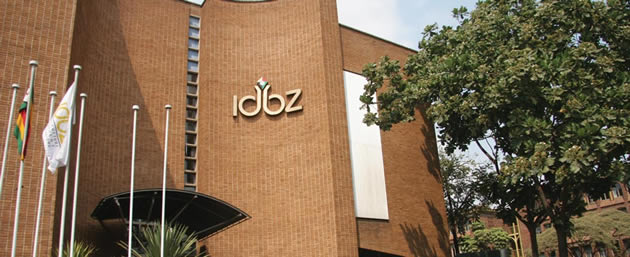
Harare Bureau
The government has injected $20 million in the Infrastructure Development Bank of Zimbabwe while plans are underway for a rights offer.
“In the context of the Zimbabwe Agenda for Sustainable Socio- Economic Transformation and the need for the bank to play a pivotal and catalytic role in the growth and transformation of the economy, The government has increased its support for the IDBZ through additional capital injections,” chief executive Thomas Sakala said,
“This support by government has culminated in the recent release of $20 million as additional equity following a commitment made by Treasury in the 2015/16 National Budget.
“This injection will be followed by further support from other shareholders through a rights issue programme.”
Since dollarisation, the IDBZ has been relying on short-term business for its sustenance. The business model was necessitated by the short term nature of funding in the domestic capital market as well as the bank’s inability to access meaningful long term funding from international capital markets through lines of credit.
This situation was due to, among other constraints, a legacy debt overhang and the impact of illegal sanctions. As a result, the IDBZ experienced a significant “mandate drift” as capacity to fulfil projects in long term infrastructure finance remained severely hamstrung.
Through government’s interventions, the legacy debts were hived-off, leaving a clean balance sheet. The bank also significantly reduced non-performing loans from its portfolio and its removal from the United States sanctions list will enhance its ability to raise offshore capital.
“Given these developments, as well as the anticipated clearance of the country’s external debt, the bank is now better placed to access long-term capital from regional and international sources for infrastructure development,” Sakala added.
Under the IDBZ’s Medium Term Strategy (2016-2020), also informed by Zim-Asset goals and targets, the bank has developed a roadmap, which will see it achieve a capitalisation level of $250 million by 2018. Sakala said strong support by major shareholders would go a long way towards meeting the set target and thus strengthen the bank’s ability to make significant interventions in closing the infrastructure gap through financing both refurbishments and new infrastructure projects in key sectors.


 Online Reporter