Ivan Zhakata-Herald Correspondent
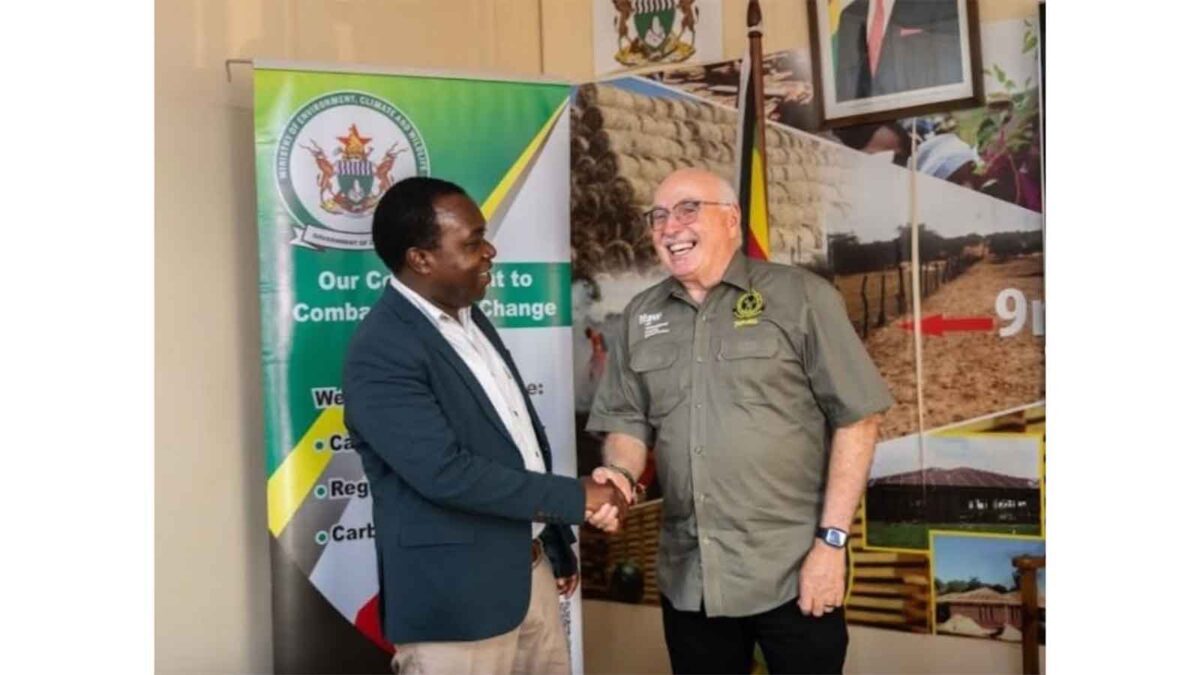
THE International Fund for Animal Welfare (IFAW) and the Zimbabwe Parks and Wildlife Management Authority (ZimParks) have committed approximately US$50 million towards a 25-year conservation partnership to protect wildlife, restore habitats, and support communities around Hwange National Park.
Launched in September 2019 as a five-year agreement, the initiative was expanded in 2023 into a long-term programme covering the Hwange-Matetsi-Zambezi landscape.
In a statement, IFAW said the alliance is premised on the principle that wildlife protection and community development are inseparable.
“Protecting wildlife cannot be separated from supporting the people who share the land and its resources. Nor can lasting progress be achieved through isolated projects or short-term interventions. It requires trust, shared purpose and a willingness to stay the course,” IFAW said.
The organisation noted that the programme aims to build durable conservation systems rather than fund standalone projects.
“The ambition was never simply to fund a collection of activities. It was to help build a stronger conservation system, one capable of protecting wildlife, supporting frontline personnel, restoring habitats, improving tourism infrastructure and creating meaningful opportunities for neighbouring communities,” it said.
To date, the partnership has funded the construction of Hwange National Park’s first modern-era ranger station in Makona, upgraded patrol roads, and procured 15 vehicles for operations, investigations, and veterinary services.
The two entities also restored Nyamandlovu Pan—increasing its water-holding capacity to more than four Olympic swimming pools—and upgraded tourism facilities alongside ranger accommodation.
On scientific monitoring, IFAW said GPS satellite collars and EarthRanger technology are helping teams track elephant movements and mitigate human-wildlife conflict.
“Data from EarthRanger helps us understand where elephants travel, which water sources they depend on, where they move beyond protected areas, and where their routes intersect with farms and settlements,” the organisation said.
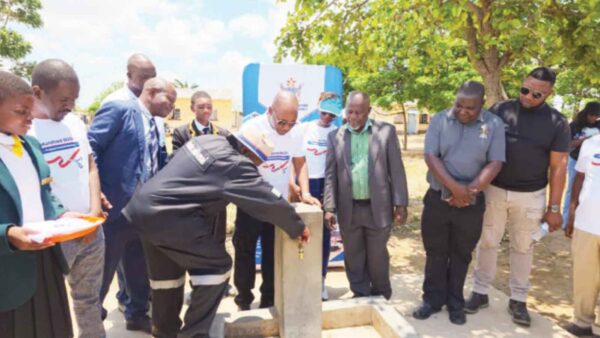
Community support remains central to the programme, encompassing school textbooks, tuition assistance, boreholes, predator-proof livestock enclosures, and community gardens.
“These initiatives are not secondary to conservation. They are fundamental to it.”
The collaboration forms part of IFAW’s Room to Roam initiative, which seeks to reconnect fragmented habitats across Africa so wildlife can move freely while neighbouring communities build resilient livelihoods.