Online Reporter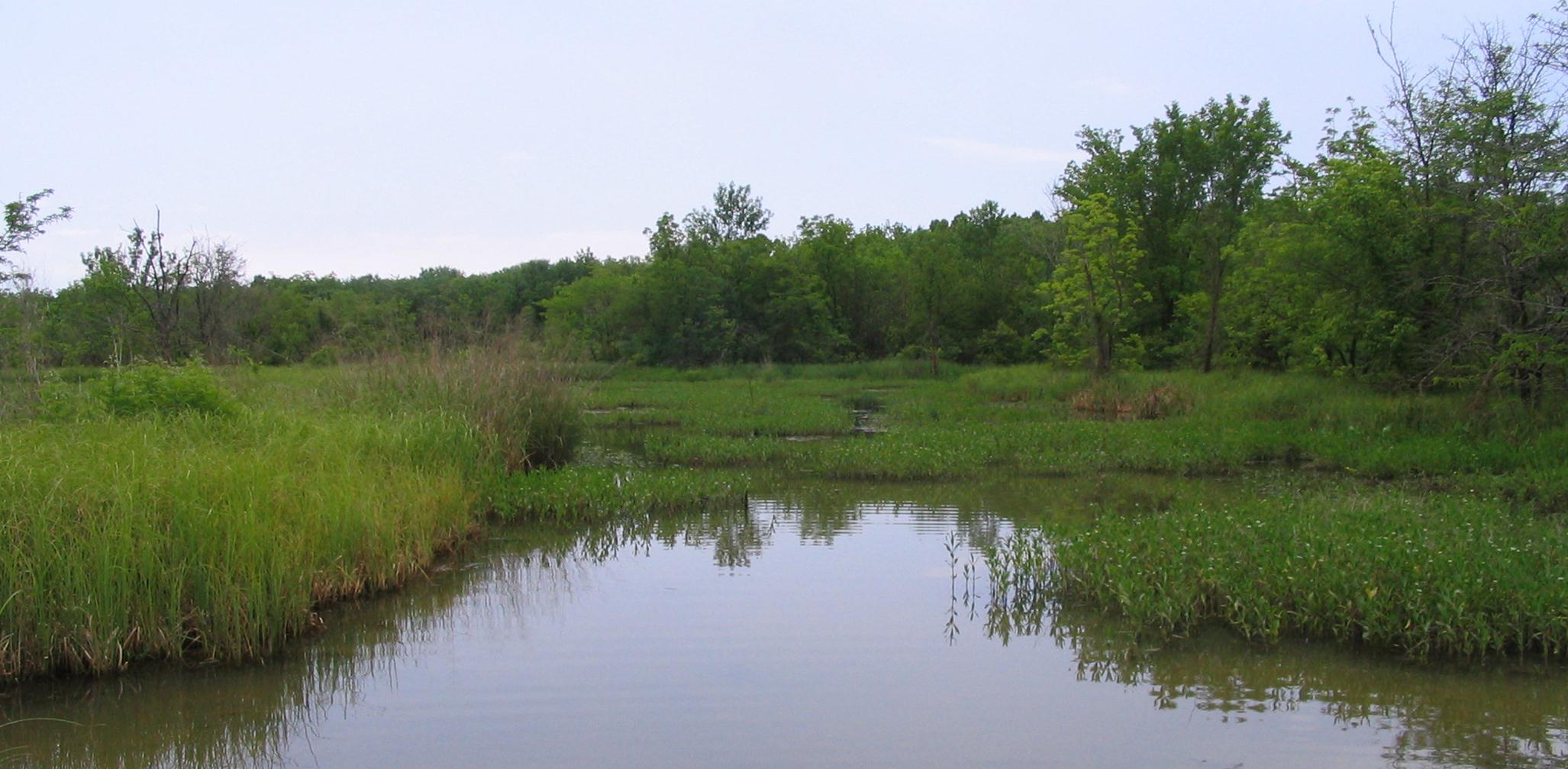
Vincent Gono, Day Editor
FOR a number of years now Zimbabwe has been grappling with illegal construction of residential and commercial properties in wetlands and waterways in its urban areas.
These wetlands and water corridors naturally function as buffers, absorbing excess rainwater and reducing the risk of flooding.
However, the unchecked and illegal building activities often encroach into these vital areas, disrupting their natural capacity to manage water flow. As a result, during periods of heavy rainfall, the absence of adequate water absorption space leads to increased surface runoff and blockages, which significantly heighten the risk of urban flooding.
This not only causes property damage and displacement of residents but also poses serious health risks due to water-borne diseases and sanitation issues.
The widespread illegal settlements in wetlands are often driven by a lack of affordable housing options and weak enforcement of environmental regulations with local authorities seemingly failing to control these activities, which are sometimes supported by socio-economic pressures, poverty and largely corruption.
There is agreement however that protecting wetlands and water channels is crucial for safeguarding urban populations from flooding, ensuring environmental sustainability and promoting resilient cities in Zimbabwe.
Addressing the issue therefore requires a comprehensive approach that combines strict enforcement of existing laws, urban planning reforms and community engagement to promote sustainable development and has led to the formation of a Standing Cabinet Committee to address environmental issues.
Day Editor Vincent Gono (VG) engaged Civil Protection Unit Chief Director Mr Nathan Nkomo (NN) on the growing problem and how it is affecting national resource allocation especially when the CPU is called to assist in times of distress caused by a planning issue that could have been avoided.
Excerpts of the interview are below:
VG: Chief Director Nkomo, could you please elaborate on the role of the standing cabinet committee established by the Government to address environmental issues? Specifically, what are its primary responsibilities and how does it relate to local authorities’ duties regarding wetlands protection?
NN: Certainly. The Government, in its wisdom, has established a Standing Cabinet Committee tasked with addressing environmental concerns. Its terms of reference clearly state that the committee is to safeguard the environment from pollution, destruction and degradation.
This committee is chaired by the Minister of Local Government, the only ministry with a Government in its nomenclature, which underscores its proximity to Central Government.
While local authorities are expected to prevent activities such as building houses or factories within wetlands — an action explicitly prohibited by the EMA Act — the enforcement of these regulations should be a collective responsibility. Removing concrete constructions from wetlands, for instance, is not solely the duty of the Environmental Management Agency, it is incumbent upon every local authority to uphold these protections. This aligns with our national commitments, such as the Ramsar Convention, which we recently participated in through the meeting held in Victoria Falls.
VG: In light of these responsibilities, how does the Government perceive illegal structures within wetlands and what measures are being taken to address them, particularly in urban areas like Bulawayo and Harare?
NN: We are fully aware that many illegal structures in wetlands are the result of corruption and land baron activities. The law is clear: such structures are unlawful and many local authorities, including Harare, are sitting on court orders to demolish them. If these orders are enforced, we would see a significant improvement in environmental sanity.
It is vital that each local authority recognises its role in this process, as they are an extension of the Civil Protection Department. Our department administers these issues collectively and environmental hazards — particularly construction in wetlands — are of immediate concern.
Heavy rains often lead to floods in these areas, illustrating that the wetlands are not suitable for habitation.
Furthermore, the Government intervened last year when houses were built along the Marimba River, a waterway, leading to tragic loss of life. The affected families were relocated and lessons have been learned. It is essential that illegal settlements in such vulnerable areas be removed, as the wetlands are critical ecosystems with specific coordinates indicating their boundaries.
Corruption is not only a preserve for people in Bulawayo. It’s rampant everywhere. And it is up to those people whose money was seized by corrupt people, the land barons, to report them that this place is not habitable for human beings. I think we need our money.
And you also find that our spatial planning regime now must also be sensitive to climate change.
VG: Considering human tendencies that points to recklessness, such as attempting to cross flooded rivers, what strategies does the Government have to mitigate these risks and prevent further loss of life?
NN: Indeed, human behaviour can be quite reckless. We recently lost nine lives in Insiza when individuals attempted to cross a flooded river. People often test warnings and take unnecessary risks despite the danger. Some even try to block river flows to build their homes, which is both foolish and dangerous, as water always finds its way.
These tragedies highlight the need for a whole-of-government approach to disaster risk management, which is inherently multi-sectoral. The Cabinet Committee I previously mentioned is deputised by the Ministry of Environment, Climate Change and Wildlife, with plans to develop a floodplain management framework. This will facilitate the reorganisation of settlements and prevent illegal or unplanned developments in flood-prone areas.
The Wetlands Master Plan, which includes geographic co-ordinates, guides us in identifying encroachments. Structures built within these designated boundaries should be demolished without delay, as the information is readily available from geospatial surveys. Ultimately, preventing such human disasters requires strict enforcement and community awareness to alter reckless behaviours.
VG: In relation to infrastructure recovery after recent adverse weather events, what are the Government’s priorities and how are resources being allocated to restore essential services?
NN: Our primary focus is on restoring critical infrastructure, such as schools, healthcare facilities and roads, which are vital for community resilience. We have allocated approximately $96 million for the National Multi-Hazard Contingency Plan, aimed at addressing damages caused by recent disasters.
λ Full story on www.sundaynews.co.zw
While some infrastructure, like dams and bridges, require substantial capital to fully rehabilitate, these are often beyond immediate scope and are the responsibility of ministries such as Transport. Local authorities and agencies like Rida (formerly DDF) are involved in repairs where feasible, especially in accessible areas.
In regions where access is hindered by flooded rivers, we resort to temporary relief measures — such as tents and makeshift crossings — to ensure that education and health services continue. However, we must emphasise that safety takes precedence. If an area remains inaccessible due to flooding, it is inadvisable to carry out development activities until conditions improve.
VG: Finally, how does the Government intend to balance development, environmental preservation and disaster risk mitigation going forward?
NN: It requires a comprehensive, multi-sectoral approach. We must prioritise sustainable development that respects environmental boundaries, particularly wetlands, which are protected under international agreements like Ramsar.
Regular geospatial surveys, conducted by agencies such as (Zimbabwe National Geospatial and Space Agency) ZINGSA, will help us identify suitable sites for settlement and prevent illegal encroachments. Moreover, enforcing the law against illegal structures, addressing corruption and educating communities about the risks are vital components.
In terms of disaster mitigation, we aim to develop frameworks like floodplain management and to reorganise settlements accordingly. Our overarching goal is to ensure that development proceeds safely, sustainably, and in harmony with our environment, safeguarding lives and livelihoods for the future.