admin
admin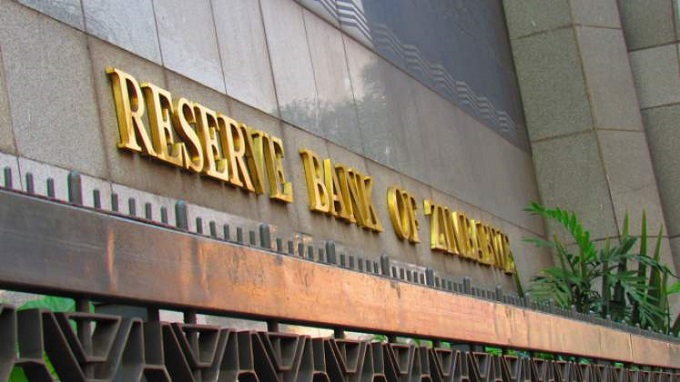
Oliver Kazunga, Senior Business Reporter
THE International Monetary Fund (IMF) says the currency reforms introduced by Government in February this year have contained the deep-seated economic distortions of the previous administration, but more implementation is needed.
In a statement released last week for the Zimbabwe’s Staff Monitored Programme, the multilateral institution highlighted that the exchange rate in the parallel forex market narrowed sharply after the currency reforms, but has since widened again with few trades occurring beyond the limited sales by the Reserve Bank of Zimbabwe (RBZ).
“The currency reform introduced in February 2019 has reduced the deep economic distortions of the previous system, but more effective implementation is needed.
“The premium in the parallel forex market narrowed sharply after the currency reform, but has since widened again with few trades occurring beyond the limited sales by the RBZ,” it said.
While volumes in the market could pick up as confidence was gained in the new policy framework, the IMF said monetary authorities should also consider options to encourage a greater supply of foreign currency into the market as well as maintaining the existing exchange controls to constrain demand for the time being.
“Staff (IMF) encourages the authorities to increase their foreign currency reserves when conditions permit, to provide a greater reserve cushion and to smoothen exchange rate changes during lean periods of forex inflows (that is towards end of the year),” it said.
The multilateral institution said given the financial sector risks and vulnerabilities, steps to support financial sector stability were a priority. Developing a strategy for the RBZ/Government’s assumption of banks’ legacy foreign exchange risk, consistent with the authorities’ ability to repay was urgent, noted the IMF.
“It is essential to continue strengthening banking supervision, including close monitoring of weakly capitalised banks with elevated levels of Non-Performing Loans.
“To that end, it is important to review banks’ asset quality and develop a strategy to address any capital shortfalls,” said the IMF.
It also urged the RBZ to urgently allocate resources to update and operationalise its framework for managing weak banks, including their exit, strengthen legal and regulatory requirements to support bank supervision and enhance crisis preparedness, and advance efforts to increase the effectiveness of the AML/CFT framework.
Although the risks to a successful SMP are considerable, the IMF supports the SMP as a strong step to restoring macro-economic stability.
“Steadfast and successful implementation of the programme is key to establishing a strong track record of performance, and to initiate a path towards eventual arrears clearance and exiting debt distress.
“To mitigate the potential risks from capacity constraints, the IMF will support the authorities’ efforts in all policy areas covered by the SMP through tailored technical assistance,” it said.
— @okazunga


 Online Reporter