Nqobile Bhebhe [email protected]
ZIMBABWE’S completion of two consecutive International Monetary Fund (IMF) programme reviews is strengthening the country’s economic credibility and supporting efforts to consolidate macroeconomic stability, resolve external debt arrears and re-engage the international financial community.
Reserve Bank of Zimbabwe (RBZ) Deputy Governor Dr Innocent Matshe said the positive assessments reflected the country’s commitment to policy discipline, transparency and accountability in economic management.
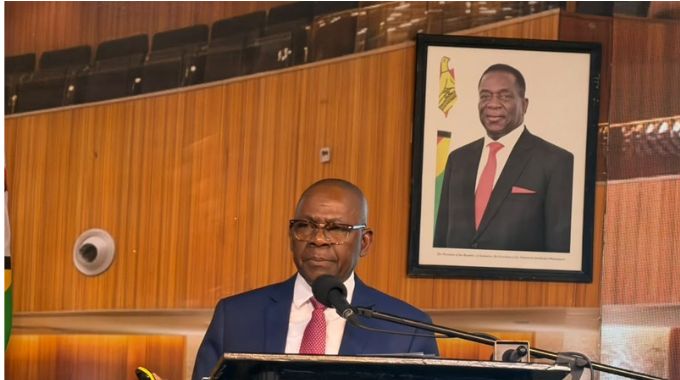
Addressing delegates at the ongoing pre-budget seminar in Bulawayo, Dr Matshe said Zimbabwe should take pride in subjecting its economic policies to external scrutiny, with the IMF confirming that the country had met agreed programme targets and structural reform benchmarks.
“What we need to be proud of as a country now is that Zimbabwe opened itself to external global assessment by international financial institutions and the IMF has confirmed in two consecutive reviews that we have met all the quantitative targets and the structural benchmarks,” said Dr Matshe.
The latest endorsement follows IMF Management’s approval of the second review under Zimbabwe’s 10-month Staff-Monitored Programme (SMP), which recognised progress in consolidating macroeconomic stability and strengthening policy implementation.
The programme forms part of Zimbabwe’s broader efforts to resolve its debt challenges, clear external arrears and restore normal relations with international financial institutions.
For the business sector, sustained progress could help strengthen investor confidence, improve engagement with international lenders and create opportunities for fresh financing to support productive investment and economic growth.
The IMF said Zimbabwe’s economy had remained resilient, with economic activity continuing to expand during the first half of 2026 despite challenges in the operating environment.
“Zimbabwe’s economy has remained resilient. Economic activity continued to expand during the first half of 2026, while annual ZiG inflation remained in the low single digits, at 3,7 percent in September.
“The exchange rate remained broadly stable and the external position benefitted from strong mineral exports, favourable commodity prices and resilient remittance inflows.
“Fiscal revenue also exceeded expectations, contributing to a stronger-than-programmed primary balance,” the IMF said in its report.
The assessment highlights the importance of maintaining consistent policies and strengthening economic fundamentals as Government prepares the 2027 National Budget.
Zimbabwe’s progress under the SMP comes as authorities pursue wider reforms to address longstanding debt challenges and rebuild confidence among international financial institutions and development partners.
A successful debt resolution process could, over time, improve access to external development finance and prospects for funding infrastructure, energy, water and other projects critical to business competitiveness.
However, the full benefits of the IMF’s positive assessment will depend on sustained implementation of agreed reforms and progress towards a comprehensive resolution of the country’s debt challenges.