Online Reporter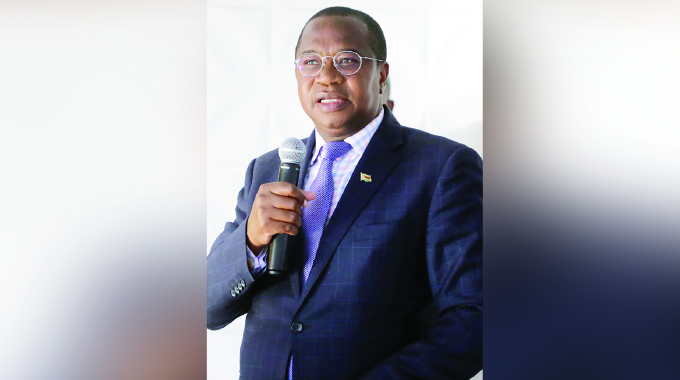
Africa Moyo in Abidjan, Côte d’Ivoire
A DELEGATION from the International Monetary Fund (IMF) is expected in Zimbabwe this week to conclude talks on putting the country under a Staff Monitored Programme (SMP), a development expected to help restore the country’s reputation and credibility with international lenders and unlock foreign investment.
The SMP is an informal arrangement through which IMF staff work with country authorities to monitor the implementation of agreed economic reforms.
Although it does not involve financial support, a successful SMP allows a country to demonstrate a credible track record of sound economic policies, which is critical for re-engagement with international lenders and clearing external arrears.
The onboarding of Zimbabwe into the programme will be a pivotal step towards the country’s debt resolution and arrears clearance process.
In an interview on the sidelines of the 2025 African Development Bank (AfDB) annual meetings, Finance, Economic Development and Investment Promotion Minister Professor Mthuli Ncube said Zimbabwe was optimistic that the programme would be finalised soon.
“We had a side event on Zimbabwe to give an update to stakeholders on the arrears clearance discussion process,” he said.
“Our event was warmly received. Everyone was very supportive, without exception.
“And this time, we made sure we brought all the stakeholders involved and gave an account as to what was going on.
This included co-chairpersons of the various working groups, as well as some of the farmers who benefitted from the compensation programme.
“So, this was warmly received. We got all the support we need.
“And we are pleased that Dr (Akinwumi) Adesina (the outgoing AfDB president) has pledged that he will continue to champion (our arrears and debt process).
“Former President (of Mozambique Joaquim) Chissano also pledged to me that he will continue to support the process as a high-level facilitator.”
Prof Ncube said Zimbabwe was now poised to conclude negotiations with the IMF on enrolling for the SMP.
“The IMF will be visiting in the first week of June; again, to analyse things,” he added.
“Hopefully, they will have a final visit for us to complete (the SMP) and we will then start (a new) process.”
The SMP is expected to run for not more than 18 months, depending on Zimbabwe’s policy implementation record.
The programme’s primary goals include stabilising the economy, supporting the newly introduced Zimbabwe Gold (ZiG) currency and building a foundation for lasting fiscal discipline and economic reform.
Speaking at the side event, Dr Adesina urged the international community to support Zimbabwe’s request for US$2,6 billion in bridge financing to expedite the arrears clearance process.
He said countries such as Sudan and Somalia had been assisted before, and nothing should stop the international community from supporting Zimbabwe.
“Let’s get that done and support these folks who have worked so hard to come this far,” he said.
“You have heard testimonies (from former farmers, ambassadors from Europe), so let’s get this done.
“And we are in the process of the ADF (African Development Fund) 17th replenishment; I would like to urge all of our donors on ADF, the ADF pillar 2, which is what we use for arrears clearance, please help us make sure we have that (money) so that we can support these great guys to do the work. We have already supported them to have the sovereign finance institution advisory to help on the arrears clearance road map to help them with the legal issues.
“The work should continue going on and finally, I may be ending my time as Africa Development Bank president, but I am not ending my support for Zimbabwe.”
In a recent interview with our sister paper, The Sunday Mail, IMF resident representative Dr Carlos Caceres said discussions between Harare and the multilateral lender were centred on fiscal reforms aimed at reducing reliance on central bank financing, a major source of past inflation and currency instability.
The two sides are also discussing ways to ensure Government spending stays within budget, especially when it comes to State-run funds and companies.
Officials are also discussing how to support Zimbabwe’s new currency, ZimGold (ZiG), and advancing governance and structural reforms to improve economic management.
“Fund staff is working closely with the authorities on defining the key parameters and modalities of the SMP,” he said.
“These include adjusting the fiscal position to avoid a recourse to monetary financing and new arrears and building foundations for a durable fiscal consolidation; fiscal risks residing off-budget (including from the operations of the Mutapa Investment Fund); the effectiveness of the monetary policy framework for the ZiG; and reforms to strengthen economic governance.
“The main objective of the potential SMP for Zimbabwe is to build a track record of sound economic policies.
“This will help in spearheading Zimbabwe’s re-engagement process with international creditors — with a view to achieving debt resolution and arrears clearance — as the SMP is a cornerstone of the economic reform pillar within the Structured Dialogue Platform.”


 derick.khumalo