Online Reporter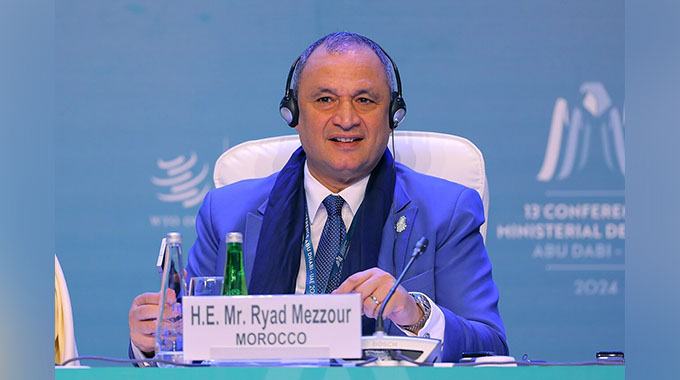
Prosper Ndlovu, [email protected]
THE Bureau of African Ministers of Finance and Economic Planning says the implementation of the African Continental Free Trade Area (AfCFTA) is not a one-time event but a comprehensive and ongoing process that requires patience, tact and strategic planning.
Harnessing the opportunities under the AfCFTA was under spotlight at the 57th Session of the recent United Nations Economic Commission for Africa (UNECA) in Addis Ababa, Ethiopia.
Policymakers, business leaders, and development partners engaged on intense discussions on how African businesses can successfully trade under the AfCFTA while fostering inclusive growth and decent work.
Ryad Mezzour, who chairs the Bureau of African Ministers of Finance and Economic Planning, highlighted some of the decisions made at the high-level conference, which was held from 12 to 18 March 2025 in Addis Ababa under the theme: “Advancing the Implementation of the Agreement Establishing the African Continental Free Trade Area: Proposing Transformative Strategic Actions”.

The Morocco Minister of Industry and Trade stated that the conference acknowledged the necessity for transformative actions to enhance the implementation of the AfCFTA.
Mezzour further emphasised the importance of activating regional value chains to bolster integration and highlighted the need for coordinated efforts to eliminate barriers that hinder the promotion of intra-African trade.
He explained that the conference also explored the role of digitalisation in Africa’s economic transformation, investment in digital infrastructure and skills, the empowerment of African youth in relation to the AfCFTA through increased investments in education, training, and entrepreneurship, and prioritizing climate change and sustainable development while promoting sustainable trade practices.
Mezzour argued that achieving these objectives requires strong political will and effective decision-making to promote collaboration among member states.
It is essential to ensure coherent and enforced policies, coupled with a strategic approach that involves tact and careful negotiation, he added.
Mr Claver Gatete, executive secretary of the ECA pointed out that the changing global landscape, marked by increasingly limited investments and aid directed toward African nations, highlights the urgent need for the continent to promote intra-African trade and investment through AfCFTA.
He explained that by building stronger trade relationships and investing in one another, African nations can enhance economic resilience, stimulate growth, and create a more self-sufficient regional economy, which is essential in the face of these external pressures and challenges.
Mr Gatete disclosed that the ECA is actively working with African nations to develop tailored national strategies for the AfCFTA to empower each country to effectively capitalize on the opportunities presented by the AfCFTA.
He explained that by focusing on their individual strengths and unique selling propositions, these countries can enhance their competitive advantages in regional and global markets, ultimately driving economic growth and integration across the continent.
Professor Mthuli Ncube, Zimbabwe’s Finance Minister, stressed the urgent need for an African credit rating organisation to prevent the undervaluation of African countries in the global financial system.
Such an organisation, he said, would enhance credibility, improve access to investment, and support the AfCFTA.