Online Reporter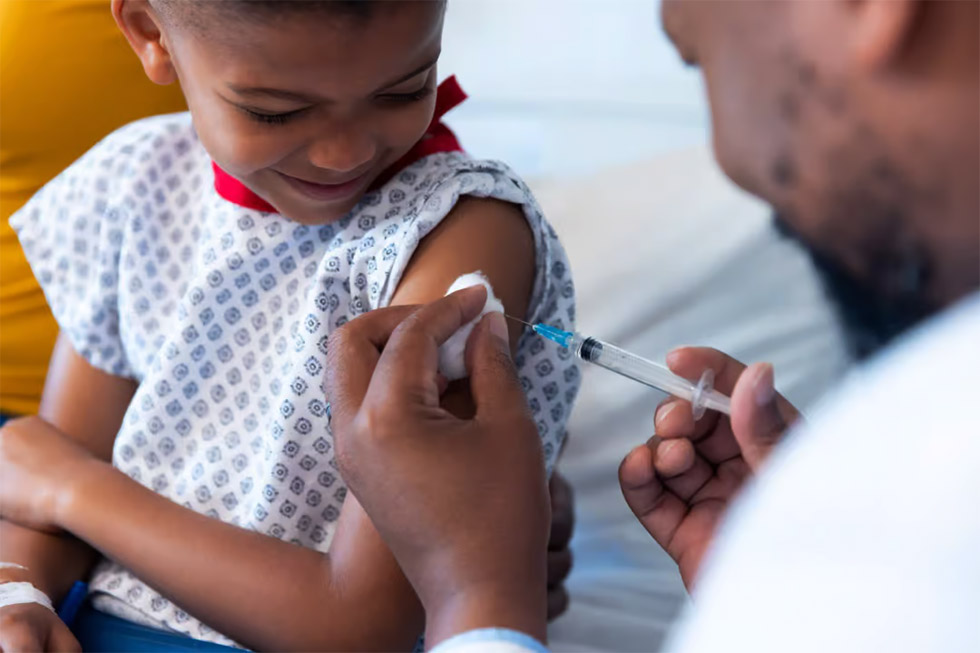
Dr Tendai Zuze
Health Matters
DURING the recent measles and rubella vaccination blitz, health workers across Zimbabwe reported that some parents declined vaccination for their children.
While the majority participated, the pockets of resistance highlighted a growing concern; vaccine hesitancy, often driven by misinformation, fear, or misunderstanding.
Yet vaccines remain one of the safest, most effective tools in medicine, responsible for saving millions of lives each year.
Childhood vaccines, including the measles–rubella (MR) vaccine, are designed to train a child’s immune system to recognise and fight disease causing germs without causing the disease itself.
When given at the recommended ages, they protect the child and also help protect others in the community, a concept known as herd immunity.
Herd immunity occurs when a large portion of the population is immune to a disease, making it difficult for that disease to spread. For highly contagious infections like measles, at least 95 percent of people need to be vaccinated to prevent outbreaks.
When vaccination coverage drops, even slightly, diseases quickly resurface. Measles outbreaks seen in Zimbabwe in recent years are a direct example of preventable illness returning because too few children were protected.
The advantages of vaccination are overwhelming.
Immunised children are far less likely to fall seriously ill or die from diseases such as measles, polio, tuberculosis, whooping cough, and tetanus. Vaccination also prevents long term complications like brain damage, deafness, and infertility that can follow severe infections.
On a national scale, vaccines reduce the burden on hospitals, save medical costs, and allow children to stay in school and parents to remain at work.
However, no medical intervention is completely without risk, and vaccines can have mild and temporary side effects.
After receiving the measles–rubella vaccine, for example, a child may develop slight pain or redness at the injection site, a mild fever, or a faint rash about a week later. These are signs that the body’s immune system is responding.
In rare cases, transient joint aches or mild swelling of the lymph nodes may occur. Serious allergic reactions are extremely rare, occurring in roughly one out of a million vaccinations; and healthcare staff are trained to manage them promptly.
There are a few situations where vaccination may be temporarily postponed or avoided.
Children who are acutely ill with high fever, those with severe allergic reactions to a previous vaccine dose, and those with certain immune system disorders (such as those receiving chemotherapy or high dose steroids) should be assessed by a doctor before vaccination. Mild illnesses like colds or coughs are not contraindications and should not delay immunisation.
The resistance seen among some parents often stems from myths, that vaccines cause infertility, that they are experimental, or that natural infection is better. None of these claims are supported by scientific evidence.
Vaccines are thoroughly tested for safety before approval and monitored continuously after release.
The vaccines used in Zimbabwe are approved by the World Health Organisation and procured through UNICEF, ensuring high quality and safety standards.
It is important for parents to rely on credible information sources, (healthcare providers, local clinics, and official Ministry of Health communication), rather than unverified social media posts.
A conversation with a nurse or doctor can address most fears and help clarify legitimate concerns.
Ultimately, vaccination is not just a personal choice; it is a social responsibility. When one child remains unvaccinated, it increases the risk for others, including infants too young to receive their shots, the elderly, and people with medical conditions that weaken their immunity. Refusing vaccination not only endangers your own child but also threatens the health of the entire community.
As Zimbabwe continues its efforts to strengthen public health, maintaining high vaccine coverage must remain a national priority.
Every parent who ensures their child is vaccinated contributes to the protection of all. The science is clear: vaccines are among humanity’s greatest achievements. They prevent suffering, save lives, and secure the health of future generations.
For more on childhood and other vaccines, contact [email protected].