

 admin
admin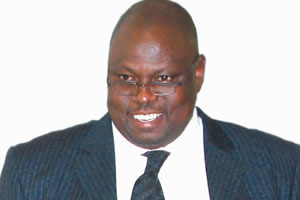
delivery system to work towards improving the welfare of psychiatric patients in prisons.
When those suffering psychiatric illnesses commit criminal offences, they are arrested and taken to court under the Mental Health Act where magistrates normally order their examination by two Government doctors to ascertain their mental status.
Those proved to be ill are placed under treatment before being released back to society after the Mental Health Board is satisfied that they are unwell.
Mr Guvamombe said psychiatric patients arrested deserved special treatment and their cases should be quickly finalised to ensure their rehabilitation.
In Zimbabwe, two Mental Health Boards were established in Harare and Bulawayo and they were set in line with the Mental Health Act responsible for the assessment and recommendation of the patients to the Mental Health Review Tribunal.
Speaking at a two-day workshop on overcrowding in prisons organised by the Zimbabwe Association for Crime Prevention and Rehabilitation of the Offender in Harare last week, Mr Guvamombe said the operation of the board was under-funded.
“We (as the board) have noticed that the operation is under-funded. We need vehicles to take such prisoners for special treatment and taking specialists to the prisons to examine them.
“At least we need two vehicles. That is where donors should chip in. We need funding for the court officials to undergo training in handling cases of the intellectually challenged in line with the Mental Health Act,” he said.
Mr Guvamombe said the patients take long in remand prison due to delayed investigations by the police, preparation of the relevant papers and poor appreciation of the Act by some court officials.
He said the shortage of doctors to examine such suspects under court orders was also negatively impacting on the speedy finalisation of cases with the suspects overcrowding the prisons and living under conditions not conducive for their health.
Mr Guvamombe told the gathering that he had since approached the Secretary for Health and Child Welfare Dr Gerald Gwinji who promised to designate suitable nurses as psychiatric examiners to counter the shortage of psychiatrists.
“We have since met Dr Gwinji who promised to designate a number of nurses to alleviate the shortage of psychiatrists but the Zimbabwe Prison Service is not forthcoming with the list,” he said.
Most mental patients in Zimbabwe are arrested for serious offences like, arson, malicious damage to property, murder and rape.
Harare area public prosecutor, who is also a member of the Mental Health Board in Harare Mr Jonathan Murombedzi said the Attorney General’s Office had put in place some measures to ensure speedy investigation of cases and compilation of dockets in such cases. “There is need for training the court officials on how best they should handle such suspects. Case management is also
relevant to ensure cases were quickly and effectively dealt with.
“We have already put in place some measures to minimise the challenges facing mentally challenged suspects,” he said.



 Online Reporter