admin
admin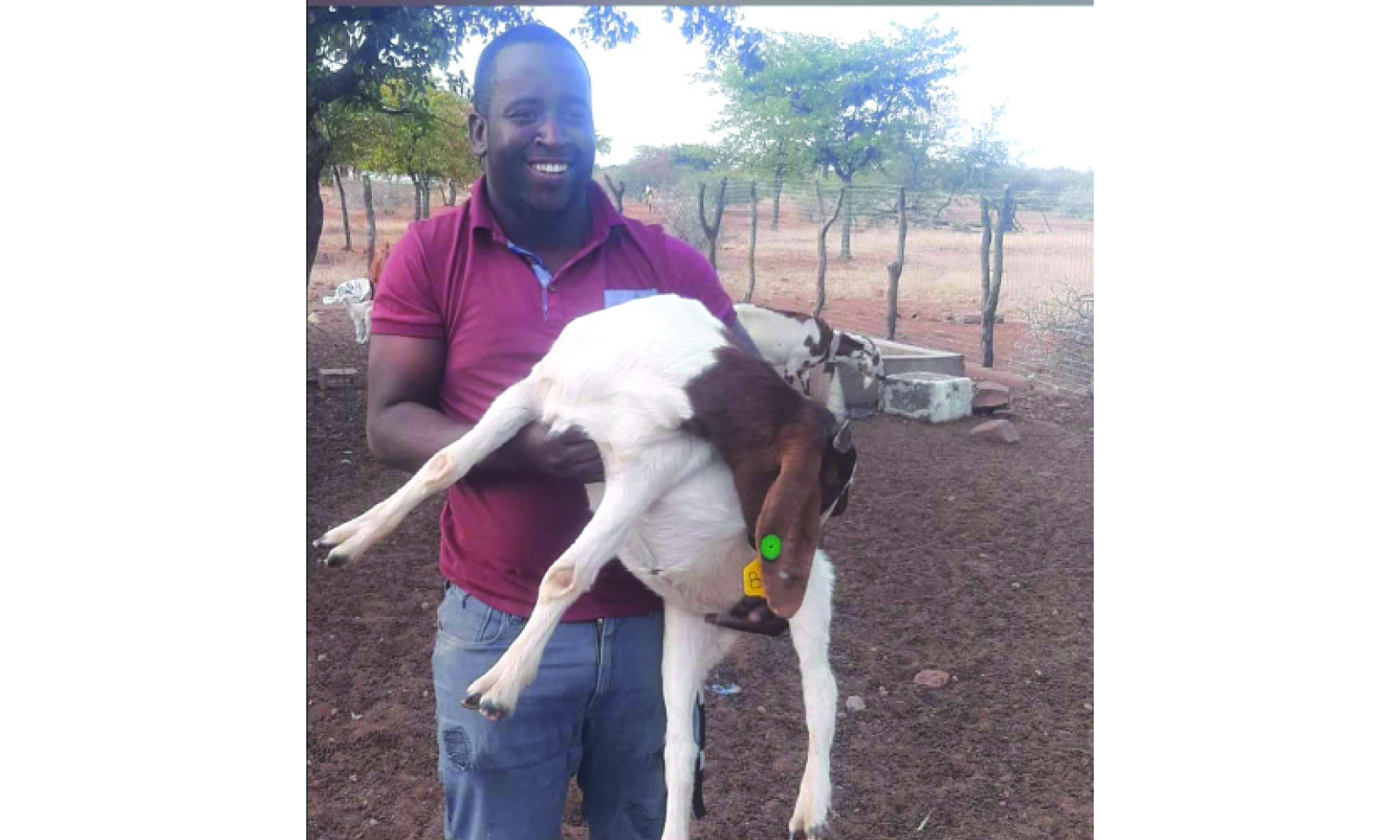
Thupeyo Muleya-Beitbridge Bureau
In the arid yet majestic landscape of southern Zimbabwe, particularly in Beitbridge district, a remarkable transformation is taking place as communal farmers increasingly embrace agriculture, particularly livestock production, as a viable business.
This shift marks a quiet revolution within the community.
Historically, farmers in the region have relied on traditional livestock breeds. However, in recent years, there has been a significant shift towards improved varieties that promise better yields, resilience, and profitability.
This transformation is not only enhancing the livelihoods of farmers, but is also revitalising the rural economy, leading to improved food security and nutrition.
Once characterised by declining cattle herds and stagnant agricultural growth, Beitbridge is now a beacon of hope for rural development.
The district boasts an estimated 200 000 cattle, 150 000 goats, 90 000 sheep, and 40 000 donkeys, demonstrating the growing importance of livestock in the local economy.
Crop production, particularly in horticulture, has struggled due to erratic rainfall patterns, with the district receiving only about 80mm of the average required 400mm of rain.
As a result, many farmers have turned to irrigation methods, including solar-powered systems, while livestock ranching has become the main economic activity.
In the past decade, high-value breeds of sheep, goats, and cattle have been on the rise, transforming the landscape of livestock farming in Beitbridge.
This change has led to the emergence of a new breed of indigenous farmers who are increasingly participating in the livestock market, which was previously dominated by commercial farmers.
Development worker Mr Enock Kwinika noted that the introduction of high-value breeds, particularly Boer goats, has significantly improved return on investment for farmers.
“Many rural farmers have embraced Boer goat production, which offers higher profits compared to traditional breeds,” he said.
He emphasized the importance of investing in breeds that can adapt to local climatic conditions, as this will enhance production.
Towards that goal farmers are encouraged to collaborate with NGOs and Government extension workers for guidance on best practices and breed selection.
Mr Phumudzo Mudau, a rising livestock farmer from Lutumba, highlighted the shift in mindset among farmers.

The newly introduced Brahman breed at Royale Cooper Estate in Beitbridge West.
“We are investing in better breeds to improve growth rates and carcass quality. Breeds like Boer goats and Kalahari Reds can generate more income than local varieties,” he said.
Dr Anna Muleya, chairperson of the Beitbridge Business Expo, pointed out that the introduction of high-value breeds allows rural farmers to compete in markets that require such livestock, including the export market.
However, she noted that enhanced security measures are necessary to protect livestock from theft.
Renowned goat breeder Nthandoyenkosi Ndlovu said improved breeds lead to better milk and meat production, enhancing the livelihoods of communal farmers.
The economic returns from these breeds are significant, with crossbred goats fetching between US$ 150 to US$250, compared to local goats priced at US$25 to US$30.
Mr Peter Ncube, acting chief executive officer of Beitbridge Rural District Council, highlighted the integration of goat value chains as an economic driver, with more farmers participating in goat auctions.
He noted the historical shift from viewing goats merely as subsistence animals to recognising them as valuable economic assets.
Mr Nokhuthula Ngwenya, a businesswoman and female farmer, shared that women are increasingly participating in livestock production, creating new revenue streams and improving family welfare.
Mrs Sikhangezile Mafu-Moyo, Beitbridge District Development Coordinator, emphasized that the transformation in livestock breeds aligns with national goals for improved rural economies by 2030.
The Government and its partners are committed to creating an enabling environment for investment in livestock production.
Mr Masauso Mawocha, an agricultural extension services officer, reported on successful artificial insemination projects and farmer training initiatives that promote better livestock management practices.
“We encourage farmers to adopt good husbandry practices and embrace breeds that offer better yields,” he said.
The shift towards improved livestock breeds in Beitbridge represents a significant step forward for rural development.
As communal farmers increasingly view livestock production as a business, the potential for economic growth and improved livelihoods becomes clearer, paving the way for a more prosperous future in the region.



 Online Reporter