admin
admin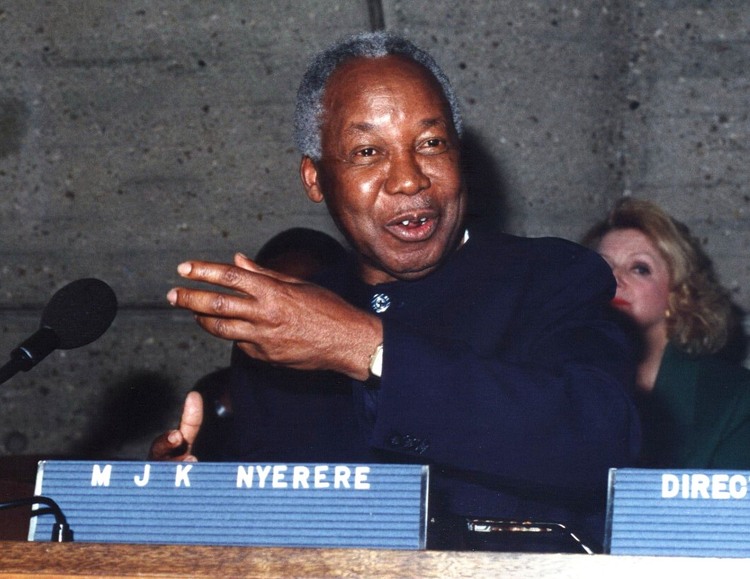
Phyllis Johnson
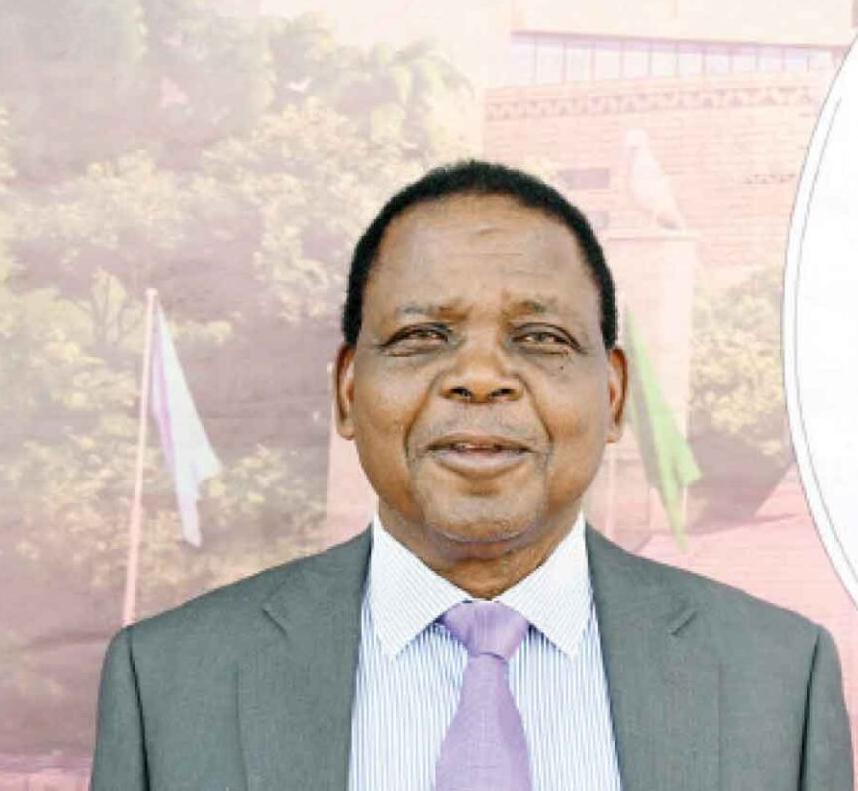
Tanzania’s President-elect has called for peace and national unity, and vowed to fight corruption that he says has cost the country billions of shillings.
Dr John Pombe Magufuli, who will be inaugurated on November 5, said his election victory signalled the start of the war on graft, and anyone who had stolen public funds must pay up before his administration catches up with them.
He said laziness and poor service delivery must come to an end, especially in the public service.
“My government will put emphasis on fighting corruption, job creation and industrialisation,” he pledged on the day before the election, promising to end power shortages and to exploit the country’s natural gas discoveries.
“I promise to deliver on my election pledges, but we need to work together. Let us strive for peace and national unity.”
Colleagues say the President-elect is action-oriented, adding that he adheres to the principles of the country’s revered founding father, Mwalimu Julius Nyerere.
President-elect Magufuli is a “popular character, blunt and brusque but gets things done.”
He is a scientist and government infrastructure activist who has served in various cabinet posts, including twice as Works Minister.
He also served as Livestock Development and Fisheries, and Lands and Human Settlements Minister.
President-elect Magufuli (56) earned the name Tinga (tractor/bulldozer) for his performance as Works Minister in driving a programme to build roads across the vast country of 52 million people that is a founder member of the East African Community, Sadc and African Union.
He has a doctorate in Chemistry from the University of Dar es Salaam, and has served as an MP for the past 20 years, representing his Chato constituency in the gold-mining district of Geita in north-western Tanzania.
He contested the October 25 election as the candidate of Chama Cha Mapinduzi, winning 58,46 percent of the vote.
His nearest rival, Chadema’s Mr Edward Lowassa, got 39,97 percent.
Mr Lowassa is a wealthy businessman and former minister and Prime Minister who resigned in disgrace after Parliament exposed corrupt activities, which he denies.
He contested the CCM leadership in July, but failed to make the shortlist of candidates after scrutiny by the party ethics committee. After failing to gain the nomination, Mr Lowassa left CCM to head a coalition of opposition parties called Coalition of the Defenders of the People’s Constitution (Ukawa).
As has become customary, the opposition said the vote was rigged and claimed victory.
Mr Lowassa refused to recognise the result, alleging that the electronic system used to tally votes had been manipulated and complained that the National Electoral Commission favoured CCM.
However, a joint statement from African and other international observers said the polls were carried out in a “competent and largely efficient” manner, and any small operational flaws did not impact on the overall result.
Counting continues for parliamentary and local authority seats, with CCM taking a commanding lead, although its majority in the National Assembly could be reduced.
Some prominent CCM figures lost their seats, not unusual in Tanzanian elections.
The biggest CCM losses were in urban areas, including the commercial capital Dare es Salaam, a traditional CCM stronghold.
The Civic United Front won in Kinondoni and Temeke, urban constituencies considered CCM bastions.
CCM is the longest-serving political party in government in Africa.
This is the party of Mwalimu Nyerere, who led the country to independence 54 years ago under the name the Tanganyika African National Union, and thereafter supported the liberation of other countries from colonial rule, including Angola, Mozambique, Namibia, South Africa and Zimbabwe.
Mwalimu was a visionary and principled leader who set high standards and expected the same from his party and government.
He often said, when people thought a task was too difficult, “It can be done. Play your part”.
Mwalimu Nyerere also had a vision for Africa’s peace, stability and development through unity of purpose.
He said his generation was dedicated to Africa’s political liberation, and the challenge to the next would be economic.
After leading his country to independence, he served as President for 24 years, working on building the nation and against colonial rule as chair of the Frontline States, before setting his vision on closer co-operation among developing countries, chairing first the South Commission and then the South Centre. – sardc.net


 Online Reporter