As Zimbabwe grapples with a burgeoning gambling industry, the government has rolled out a bold new policy that is reshaping the landscape of online gambling income.
Effective January 1, 2025, a 10% withholding tax on gross winnings from sports betting has been enforced, targeting the rapidly growing sector that has captivated the nation’s youth and strained public finances.
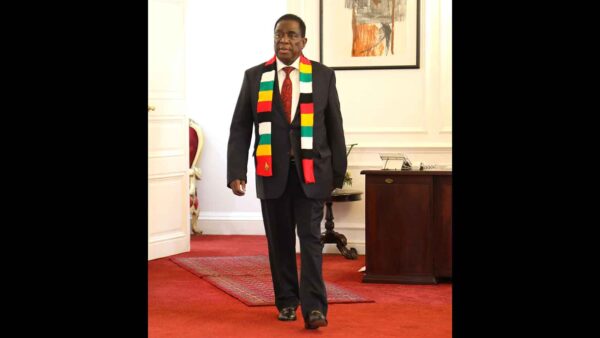
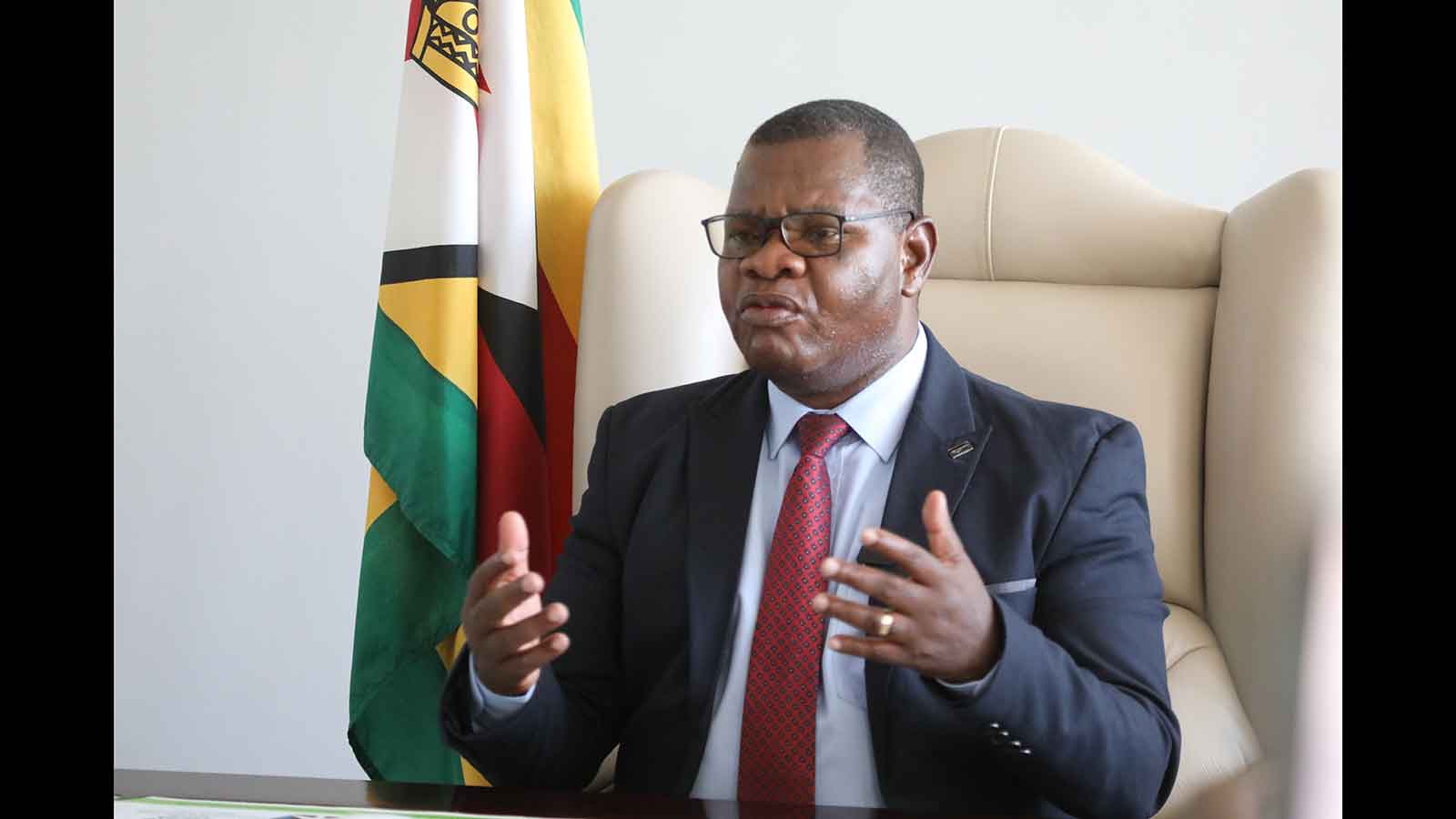
Finance Minister has championed this measure as a critical step to bolster the national budget, but it has sparked debates about its economic impact, societal consequences, and the looming threat of a black market.
This report delves into the intricacies of Zimbabwe’s online gambling scene, the new tax regime, and its far-reaching implications.
The Rise of Online Gambling in Zimbabwe
Zimbabwe’s gambling industry has undergone a dramatic transformation in recent years. Once confined to state lotteries, horse racing, and a handful of casinos, the sector has exploded with the advent of online platforms.
By 2024, the proliferation of betting shops and digital gambling sites had turned sports betting into a cultural phenomenon, particularly among the country’s youth.
Industry estimates suggest that the gambling market in Zimbabwe grew by 8.5% between 2023 and 2024, with online sports betting accounting for a significant portion of this surge.
- Market Size: In 2023, the total gambling revenue in Zimbabwe was estimated at $120 million, with online gambling contributing approximately $45 million.
- User Base: Surveys indicate that over 300,000 Zimbabweans engaged in online betting in 2024, a 15% increase from the previous year.
- Youth Engagement: Around 60% of online bettors are aged 18–35, highlighting the demographic driving this trend.
This growth has been fueled by rising internet penetration — up from 34% in 2019 to 42% in 2024 — and the accessibility of smartphones, with over 5.2 million devices in use nationwide.
However, the economic backdrop remains grim, with unemployment hovering at 5.4% and an external debt of $9.9 billion, pushing many to seek quick financial gains through gambling.
The 10% Tax: A Game Changer for Bettors
On January 1, 2025, Zimbabwe implemented a 10% withholding tax on all gross winnings from sports betting, a policy first proposed by during the 2025 National Budget presentation in December 2024.
Unlike previous tax-free winnings, this measure now ensures that every successful wager—from a modest $5 bet to a $2,000 jackpot—incurs a 10% deduction. For example:
- A $5 win now nets the bettor $4.50, with $0.50 remitted to the government.
- A $2,000 win yields $1,800, with $200 withheld as tax.
The tax burden falls not on the bettors themselves but on gambling operators, who are mandated to deduct, report, and transfer the funds to the state.
Ncube has projected that this could generate up to $15 million annually, based on an estimated $150 million in gross winnings for 2025.
“Sports betting punters receive income from winnings, which is currently non-taxable under personal income tax,” Ncube stated in his budget speech. “To include punters in the tax space, I propose to introduce a 10% withholding tax on gross winnings.”
Government’s Fiscal Strategy: A Budget Lifeline?
With GDP growth projected at 2% for 2024 and an ambitious target of 6% for 2025, the government is under pressure to fund infrastructure, education, and healthcare.
The gambling tax is part of a broader fiscal strategy to widen the tax base, which currently relies heavily on mining and agriculture.
- Revenue Goals: The $15 million from the gambling tax represents roughly 0.3% of the $5 billion national budget for 2025.
- Comparative Taxes: Horse racing and pool betting already face a 10% tax, while casino winnings are taxed at 15%, aligning the new measure with existing frameworks.
- Collection Efficiency: By tasking operators with tax collection, the government aims to achieve a 95% compliance rate, compared to the 70% seen in voluntary tax systems.
Ncube has framed the tax as a pragmatic response to “pressing budget needs,” pointing to the “surging wave of sports gambling” as an untapped resource.
However, critics argue that his focus on revenue overshadows the societal costs of gambling proliferation, such as addiction and financial distress among vulnerable populations.
Regulatory Reforms and the Lotteries and Gaming Amendment Bill
The new tax complements a series of regulatory reforms initiated in August 2024, when Zimbabwe’s cabinet approved the Lotteries and Gaming Amendment Bill.
This legislation aimed to modernize the , which had not been significantly updated since 2002. Key objectives included:
- Strengthening Compliance: Operators must now integrate technology compatible with the (LGB) systems for real-time monitoring.
- Combating Money Laundering: Enhanced oversight targets illicit financial flows, with penalties for non-compliant operators rising by 50% to $10,000 per violation.
- Promoting Responsible Gambling: The bill mandates awareness campaigns, though funding remains unspecified.
The LGB estimates that these reforms could reduce unregulated gambling by 20% within two years, potentially channeling an additional $10 million into the legal market.
Yet, the 10% tax has raised concerns that it might undermine these efforts by driving bettors to unregulated platforms.
The Black Market Threat: A Growing Concern
One of the most pressing fears surrounding the new tax is its potential to fuel a black market. Offshore gambling sites, which operate beyond Zimbabwe’s jurisdiction and do not remit taxes, pose a significant challenge.
Industry experts warn that the 10% deduction could push up to 25% of current bettors—approximately 75,000 individuals—to these platforms by the end of 2025.
- Current Black Market Share: In 2024, unregulated gambling accounted for an estimated 15% of the market, or $18 million in untaxed revenue.
- Cost Comparison: Offshore sites often offer higher payouts due to lower operational costs, with average returns 5–7% above taxed local operators.
- Enforcement Challenges: The LGB has only 50 inspectors nationwide, a 30% shortfall from the 71 needed to effectively monitor compliance.
The Zimbabwe Punters Association (ZPA) has voiced alarm, with spokesperson Tinashe Moyo stating, “A flat 10% tax on every win, no matter how small, feels punitive. Small-scale bettors will look for ways to avoid it, and the black market is ready to welcome them.”
Data from neighboring Zambia, where a 15% tax on betting winnings led to a 10% uptick in offshore activity in 2023, supports this concern.
Societal Impact: Youth and Gambling Addiction
The surge in online gambling has disproportionately affected Zimbabwe’s youth, with 60% of bettors aged 18–35.
A 2024 study by the University of Zimbabwe found that 12% of young gamblers exhibited signs of addiction, a figure that has risen from 8% in 2020. The new tax, while a fiscal tool, does little to address these social costs.
- Addiction Rates: Approximately 36,000 young Zimbabweans are at risk, with average monthly gambling expenditures of $30 per person.
- Economic Strain: For a demographic with a median income of $150 monthly, this represents 20% of earnings, exacerbating poverty.
- Support Systems: Only 5 rehabilitation centers nationwide offer gambling addiction services, serving just 200 patients annually against a need for 5,000 slots.
Deputy Minister of Home Affairs Chido Sanyatwe has called for tighter regulations, urging the LGB to “intensify strategies that enhance compliance and protect from gambling harm.”
Yet, the 2025 budget allocates a mere $500,000 to responsible gambling initiatives, a 0.01% sliver of total spending.
Operator Reactions: Compliance vs. Competitiveness
Gambling operators, now tasked with collecting the 10% tax, face a delicate balancing act.
Major players like Melbet, a popular bookmaker in Zimbabwe, have expressed concerns about the administrative burden and potential loss of customers.
An anonymous operator told local media, “This tax requires significant system upgrades—costing us $50,000 per platform—and might deter small-scale punters who drive 40% of our volume.”
- Compliance Costs: The average operator spends $20,000 annually on tax reporting, a 25% increase from pre-2025 levels.
- Market Share Risks: A projected 10% drop in legal betting volume could cost operators $15 million collectively in 2025.
- Bonuses as Countermeasures: Many sites are boosting welcome bonuses by 20%, offering up to $200 to retain users.
Despite these challenges, some operators see the tax as a step toward legitimacy. “It levels the playing field against unlicensed sites,” said a spokesperson for Bet365’s Zimbabwe branch, which reported $10 million in revenue in 2024.
Public Perception: A Mixed Bag
Public reaction to the tax has been polarized. A survey conducted in Harare in February 2025 found that 45% of 1,000 respondents supported the measure as a necessary revenue source, while 50% opposed it, citing unfairness to small bettors.
“Why tax my $10 win when I’m already risking so much?” asked 28-year-old Tawanda Chuma, echoing a common sentiment.
- Support Base: Of the 450 supporters, 70% cited infrastructure funding as their rationale.
- Opposition Base: Among the 500 opponents, 80% felt the tax disproportionately hit low-income gamblers.
- Neutral Stance: The remaining 5% awaited tangible benefits before judging.
Opposition legislator Caston Matewu of the Citizens Coalition for Change has criticized Ncube’s approach, arguing, “We should be taxing foreign miners, not punishing our own people for a $5 bet.”
Responsible Gambling Measures in Zimbabwe: A Nascent Effort Amid Growing Concerns
As Zimbabwe’s online gambling industry surges, with over 300,000 bettors contributing to a $45 million market in 2024, the need for robust measures has never been more pressing.
The introduction of the 10% withholding tax on gross winnings, effective January 1, 2025, has amplified revenue collection efforts, but the government’s approach to mitigating gambling’s societal fallout remains underdeveloped.
With 12% of young bettors — approximately 36 000 individuals — showing signs of addiction, experts warn that the lack of comprehensive safeguards could deepen economic and social woes.
The , passed in August 2024, marked a tentative step toward responsibility. It mandates operators to fund awareness campaigns, though no specific budget has been allocated, leaving implementation vague.
The LGB has launched a pilot program, distributing 10,000 informational pamphlets in Harare and Bulawayo in 2024, reaching just 3% of the betting population.
Additionally, operators must now display responsible gambling helpline numbers—such as the toll-free 0800-1234—on their platforms, a measure that logged 500 calls in its first two months.
Yet, resources remain scant. Zimbabwe’s five rehabilitation centers, concentrated in urban areas, serve only 200 patients annually against a demand for 5,000 slots, with funding stagnant at $200,000 since 2022.
The 2025 national budget allocates a mere $500,000 to responsible gambling initiatives—0.01% of the $5 billion total—drawing criticism from advocates like Dr. Grace Mutasa, who argues, “This is a drop in the bucket when 60% of bettors are youths spending 20% of their $150 median income monthly.”
- Self-Exclusion Programs: Only 2 operators, covering 15% of the market, offer opt-out tools, with 300 users enrolled by March 2025.
- Spending Limits: Proposed caps of $50 monthly per user remain unenforced, pending LGB approval.
- Education Gaps: Schools lack gambling awareness curricula, despite 10% of teens aged 15–17 betting online in 2024.
The black market, projected to siphon 75,000 bettors by year-end, further complicates oversight, as offshore sites evade these measures entirely.
Deputy Minister Chido Sanyatwe has urged the LGB to “intensify strategies,” but without a funding boost—experts suggest $2 million annually—Zimbabwe risks a 38% rise in addiction cases by 2027.
For now, responsible gambling efforts lag, overshadowed by fiscal priorities.
Looking Ahead: Balancing Revenue and Responsibility
As Zimbabwe navigates this new tax landscape, the stakes are high. The government’s $15 million revenue target hinges on effective enforcement and operator compliance, yet the black market looms as a formidable threat.
With 75,000 bettors potentially shifting offshore, up to $7.5 million in taxable winnings could slip through the cracks annually.
The societal toll also demands attention.
Without robust responsible gambling measures—beyond the current $500,000 allocation—the 36,000 at-risk youths could swell to 50,000 by 2027, per expert projections.
Meanwhile, operators must adapt to retain their 300,000-strong user base, balancing compliance costs against competitive pressures.
Finance Minister Ncube remains optimistic, touting the tax as a cornerstone of Zimbabwe’s 6% GDP growth goal for 2025.