Online Reporter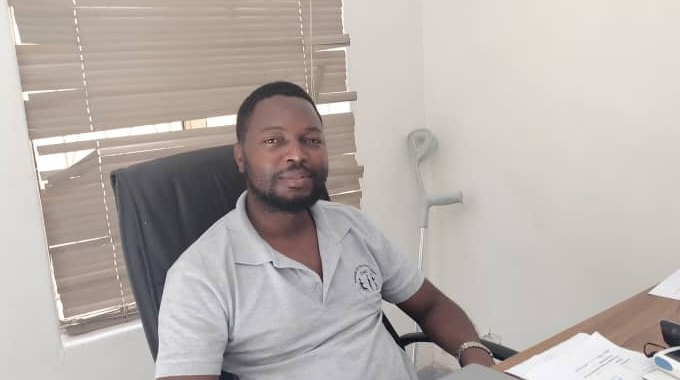
Peter Matika, [email protected]
IN just 13 days, Zimbabwe will mark its 45th Independence Day, a momentous occasion not only celebrating the historical milestones of its political liberation, but also paying tribute to the unwavering spirit of resilience, ingenuity, and national pride that has shaped its remarkable journey.
The attainment of independence did not just liberate the country but ignited a vision for equitable health, inclusivity, and human dignity. From the dust of colonial marginalisation, Zimbabwe has arisen to reimagine its future, with the primary focus being on enhancing existing mainframes, particularly health-related issues.
This has seen the dawn of a new age of medical experts in the field, focusing on different types of conditions.
As a proud Zimbabwean and Specialist Paediatric Physiotherapist with over a decade of clinical and academic experience, Precious Madzimbe seeks to create new dimensions in the field while also creating new opportunities for those in the field.
“My service at Madzimbe and Tsiga Physiotherapy Clinic and academic engagements across Africa, including my current research work, reflect the fruit of independence and the continuing transformation of Zimbabwe’s health sector. These platforms have allowed me to contribute not only as a clinician but also as a researcher, mentor, and advocate for inclusive, culturally relevant rehabilitation,” said Madzimbe.
He said that under colonial Rhodesia, healthcare was a symbol of inequality, which was urban-based, racially exclusive, and largely inaccessible to the black majority.
“Specialised services such as physiotherapy were virtually unknown in rural areas. Children with congenital conditions like cerebral palsy or clubfoot were often hidden from society, their needs unmet and their dignity disregarded. Independence in 1980 changed that. It heralded the beginning of equity-driven health reforms,” Madzimbe said.
He said public health services have since expanded, paving the way for the black majority to attain professional training.
“Rehabilitation is no longer a foreign luxury; it has become a national priority. I am a proud product of that transformation. Our profession found its footing in this new Zimbabwe, led by passionate local practitioners determined to provide care rooted in compassion and national identity,” said Madzimbe.
He went on to reiterate how the dawn of the Second Republic has ushered in a positive trajectory for the health sector. Madzimbe noted that through Vision 2030 and a strong emphasis on universal health coverage, the Government is prioritising investment in both infrastructure and human capital.
“We have seen an unprecedented scaling up of community health programmes, refurbishment of public hospitals, and expansion of medical education through new training institutions. Physiotherapy and rehabilitation services have directly benefited from this progressive shift.

“The decentralisation of health services, especially the establishment of district-level rehabilitation teams, means that more Zimbabweans, even in the remotest corners, are accessing life-changing interventions. This is not merely policy; it is patriotism in action — serving our people with dignity, innovation, and integrity,” Madzimbe said.
He said he has benefited immensely from these developments.
“The Neurodevelopmental Clinic I run in Bulawayo is now better equipped to serve at-risk infants through early screening and intervention. We are no longer limited to reactive care; we are shaping futures through preventative and developmental health,” said Madzimbe.
He noted that people living with disabilities in Zimbabwe have long suffered under the weight of stigma. But through community education, inclusive policy, and the mobilisation of local leaders, this narrative is changing.
“Independence gave us not only the freedom to speak out but also the courage to see physical difference not as limitation, but as a variant of the human condition worthy of respect and investment,” he said.
He said that while international partnerships remain valuable for enriching the local health sector, true independence stems from developing home-grown solutions.
“I have contributed to the development of Zimbabwe-specific paediatric physiotherapy guidelines and educational materials now in use at training institutions and rehabilitation departments across the country. These tools are equipping a new generation of clinicians who can respond to our population’s unique needs with precision and compassion,” said Madzimbe.Most recently, Madzimbe authored a book on prostate cancer and family support systems in Africa, reaffirming that healing must engage the emotional, spiritual, and psychological dimensions of care.“One of the greatest honours of independence is the ability to teach and be taught within one’s homeland.
I have had the privilege of shaping the future of physiotherapy through my engagements at a local university and nationwide workshops. I am proud to say that Zimbabwe is raising a cadre of health professionals who are not only clinically competent but also nationally conscious and globally competitive.
“As someone who has represented Zimbabwe on international platforms, I speak with pride, we are not merely keeping pace, we are defining the race. Independence gave us the platform. It is now our responsibility to keep building, innovating, and caring — together, as Zimbabweans,” he said.