Chronicle Editor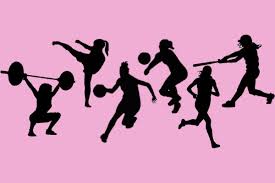
Shingai Dhlamini
AS Zimbabwe celebrates 44 years of independence, it’s essential to honour the remarkable contributions of women during this pivotal period.
These ordinary women played a crucial role in the liberation struggle, fighting for freedom, equality and dignity. The development of feminist action groups and their mobilisation before independence became a powerful challenge. They demanded equality, a voice in political decision-making and the dismantling of the Rhodesian colonial administration.
The participation of women and girls in sports has existed throughout history, but the details vary greatly. Nation, era, geography and economic development all play a role. While informal participation likely existed earlier, the modern era of organised sports for both women and men began in the late industrial age.
Independence opened doors for women in sports leading to their increased presence in various facets beyond playing. Today, women are actively involved in sports administration, refereeing, managerial positions and proudly represent Zimbabwe regionally and internationally.
The 1980 Olympics were a landmark year. They featured the first-ever women’s hockey competition and Zimbabwe’s debut under its new name, having been barred from the previous three Olympics for political reasons. (The country had last competed as Rhodesia in 1964.)
Despite facing the challenges of an unfamiliar artificial turf surface and never having played together before that month, the Zimbabwean women’s hockey team achieved a remarkable victory. Dubbed the “Golden Girls” by the media, the team’s win ignited national celebrations. After this incredible feat, Zimbabwe did not win any Olympic medal until 2004.
Francisca Gumbo
Francisca Gumbo, a netball player who rose to prominence shortly after independence, shares her story. Born in 1970 as the sixth child in a family of ten, she grew up in Makokoba suburb, Bulawayo.
Now married with four children, her netball journey began in 1986 at Mzilikazi High School. After completing her secondary education, she continued playing for various clubs, culminating in a successful career involving a number of teams. Francisca retired from competitive netball in 2016, leaving behind a legacy of dedication and skill.
“I just played because I loved sports as there was nothing we benefited from netball by then,” said Gumbo.
Samkeliso Silengane
Samkeliso Silengane, a prominent advocate and pioneer for women’s football in Zimbabwe, highlights the transformative power of independence for women in sports and beyond. Growing up in a large family of 15 united by their love for the game, football was ingrained in Silengane from a young age.
Inspired by her grandmother’s unwavering support, Silengane embarked on her professional journey in women’s football with New Orleans in Entumbane suburb.
For Silengane, independence holds immense emotional value. It signified freedom for women to express themselves, enter traditionally male-dominated fields and achieve success in all spheres of life.
“To me independence is a day that should not only be marked on the calendar but should be celebrated by everyone because it brought freedom. It should be a big day for every Zimbabwean citizen regardless of race, colour or creed,” said Silengane.


 Online Reporter