Online Reporter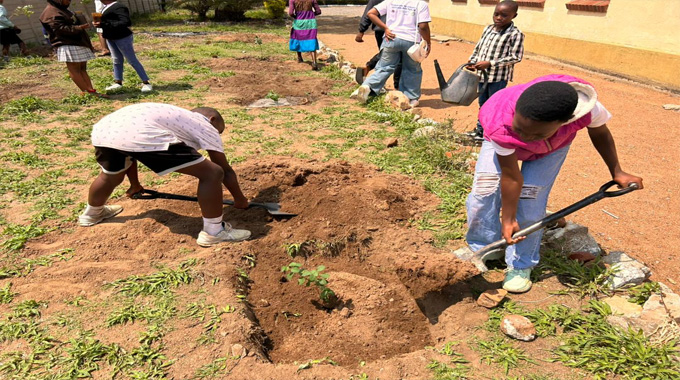
Tanaka Nkala
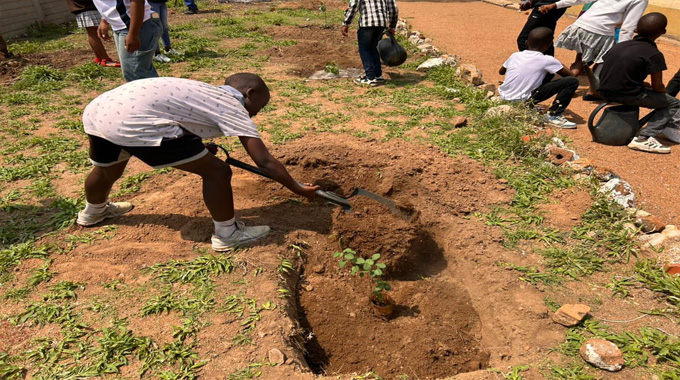
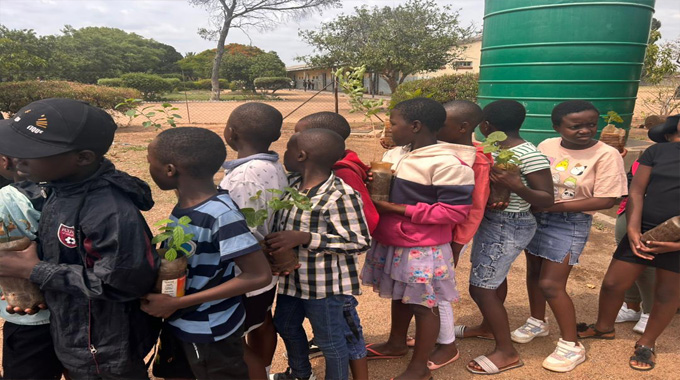
INDUBA Primary School in Bulawayo’s yesterday took a giant stride in its environmental education drive by hosting a tree-planting day supported by a local organisation, Youth Support Network, which donated 50 indigenous fruit trees.
The initiative comes ahead of the National Tree Planting Day observed annually on the first Saturday of December.
This national campaign is meant to promote tree-growing, combat deforestation, enhance biodiversity, improve food security and mitigate the effects of climate change. Introduced in 1980, the national tree planting campaign is led by the Forestry Commission and forms part of the country’s broader effort to reverse deforestation, rehabilitate degraded land, enhance biodiversity, improve food security and strengthen climate-change resilience.
Zimbabwe loses an estimated 262 000 hectares of forests annually, according to the Forestry Commission data, making reforestation programmes crucial, especially in urban areas where green spaces continue to shrink.
Youth Support Network representative, Kudzai Sibanda, said the organisation selected only two schools in Bulawayo for this year’s programme.
“We have donated 50 indigenous trees to Induba Primary School and 50 other trees to a school in Lobengula. The day was made possible by the grants we received from the mayor of Bulawayo,” she said.
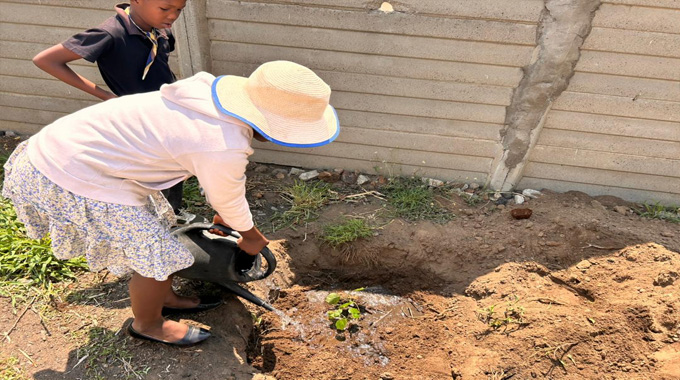
Excitement filled the school grounds as Grade 5 learners, equipped with shovels and guided by their teachers, planted the donated trees, an activity designed to strengthen their understanding of environmental conservation.
Induba Primary School’s teacher-in-charge, Siphathisiwe Mpofu, said the initiative goes beyond beautifying the school.
“This hands-on approach fosters a sense of responsibility and connection to nature, encouraging learners to embrace environmental stewardship from an early age,” she said.
Mpofu also expressed gratitude for the donation, adding that the trees will be used for educational purpose as well.
“Not only do they enhance our school environment, but they also serve as a living classroom where our learners can learn about the ecosystem and the significance of native plants,” she said.
“With the guidance of their teachers and support staff, the learners will learn the necessary skills to nurture these young plants, understanding their role in supporting local wildlife and contributing to a healthier environment.”