

 Online Reporter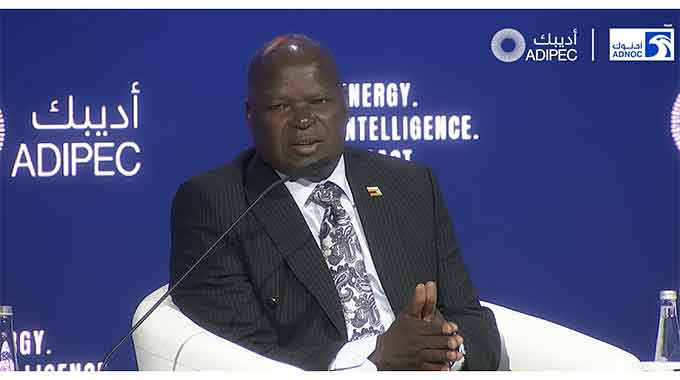
Richard Muponde-Zimpapers Politics Hub
ZIMBABWE has positioned itself at the heart of Africa’s evolving electricity landscape, with Energy and Power Development Minister July Moyo declaring that the country is embracing a future defined by interconnected power systems and regional cooperation.
Speaking at the EGYPES 2026 Strategic Conference under the theme “A New Era of Interconnected Electricity,” Minister Moyo said the continent is at a critical juncture as demand for power accelerates amid rapid industrialisation and urbanisation.
He said Zimbabwe, under President Mnangagwa, is aligning its energy strategy with broader continental ambitions of integration, sustainability and economic transformation.
“Energy is not merely infrastructure but the foundation upon which modern economies are built and sustained. Zimbabwe is prioritising access, reliability and affordability as central pillars of national development.
“Our focus is to ensure that no sector of the economy is constrained by power shortages as we pursue industrial growth and beneficiation. This vision is firmly anchored within the broader transformation agenda of the Second Republic,” said Minister Moyo.
The country’s power sector, anchored by the Kariba South Hydro Power Station and the Hwange Thermal Power Station, continues to face challenges, including supply deficits, climate-induced fluctuations in water levels and ageing infrastructure.
However, growing demand driven by mining expansion and industrial recovery has intensified the urgency for reform and investment.
Minister Moyo described Zimbabwe’s strategic participation in the Southern African Power Pool as a vital platform for stabilising supply through electricity trade and cross-border cooperation.
He noted that no single country can sustainably meet future energy demands in isolation.
“The future of Africa’s energy sector lies in integration, diversification and smart infrastructure development.
“Regional interconnectors are no longer optional but essential for enabling efficient electricity trade and ensuring system stability. Zimbabwe is strategically positioned to serve as a transit hub linking multiple regions across the continent. This places us at the centre of Africa’s emerging power architecture,” he said.
Central to this vision is the proposed Batoka Gorge Hydropower Scheme, a joint initiative between Zimbabwe and Zambia expected to significantly boost regional generation capacity and strengthen electricity markets.
“Batoka Gorge represents a transformative project that will not only increase generation capacity but also enhance regional integration and energy security. It is a flagship investment opportunity capable of attracting significant private sector participation. The project demonstrates our commitment to building large-scale, bankable infrastructure. It will stand as a cornerstone of interconnected power systems in Southern Africa,” Minister Moyo said.
He further underscored the importance of renewable energy, pointing to Zimbabwe’s vast solar potential and the need for hybrid systems that combine solar, hydro and storage technologies.
Minister Moyo called for harmonised policies, predictable regulatory frameworks and increased private sector participation to unlock investment.
He urged stakeholders to translate commitments into tangible infrastructure, stressing that Africa’s energy future depends on cooperation, innovation and sustained investment.



