Online Reporter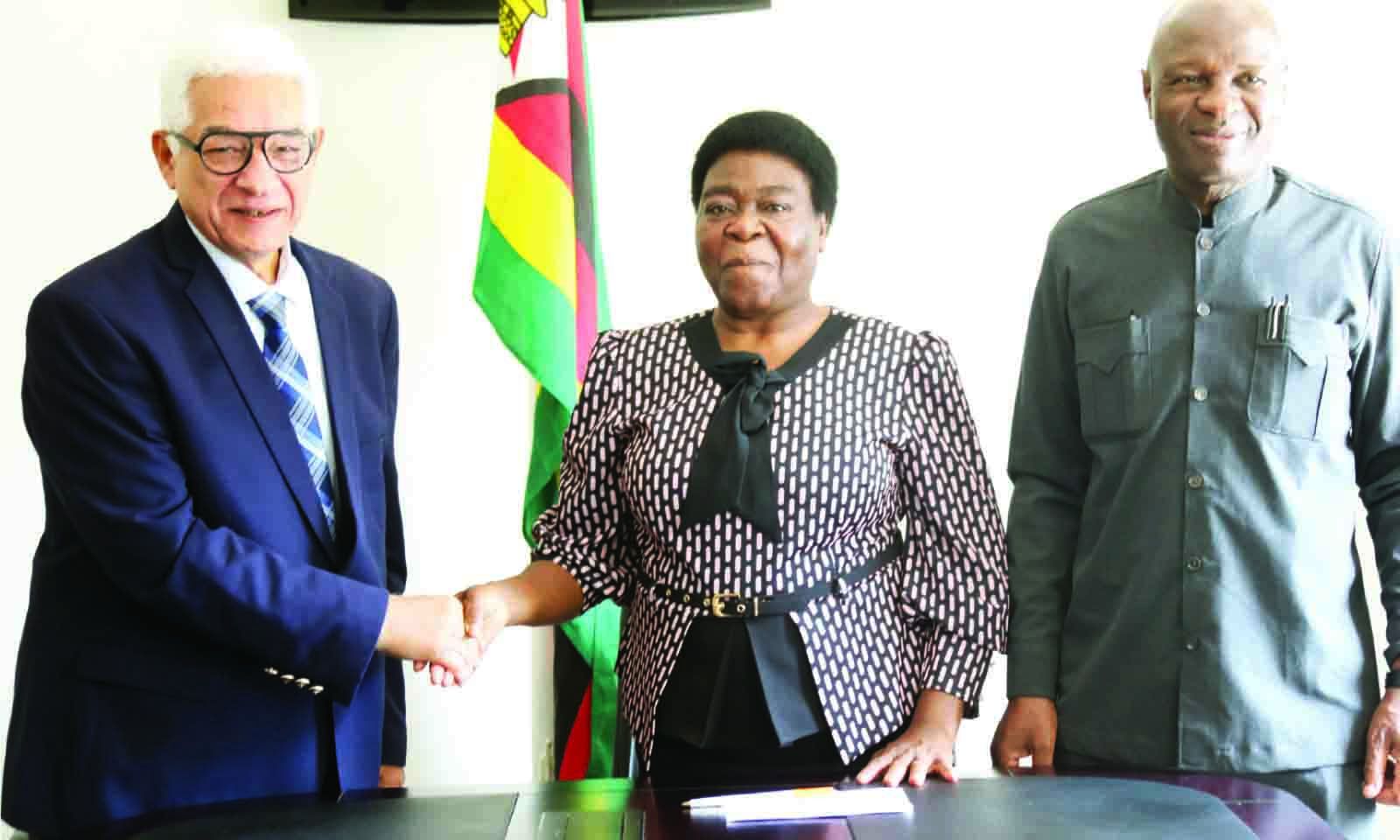
Nyore Madzianike in Bulawayo
THE establishment of innovation hubs across Zimbabwe’s universities is proving to be a game-changer, providing homegrown solutions that will drive the country’s economic transformation.
This was said yesterday by Professor Masibo Lumala, International Consultant for the Continental African Peer Review Mechanism (APRM), during a visit to the Prof Phineas Mogorosi Makhurane Technovation Centre at the National University of Science and Technology (NUST) in Bulawayo.
The Technovation Centre was commissioned by President Mnangagwa last year.
The APRM team is in the country on a targeted review mission assessing Zimbabwe’s adherence to principles of good governance, sound economic management and sustainable development.
During its ongoing visit, it has engaged various stakeholders including traditional leaders, churches, higher learning institutions, local authorities, the business community and civic organisations.
The mission is also identifying best practices and challenges in policy implementation while strengthening collaboration between the Government, civil society and the private sector.
Prof Lumala said the NUST innovation hub demonstrated the potential of young Zimbabweans to generate practical solutions to national challenges.
“It confirms that our young people have the capacity to innovate, they have the capacity to solve some of the problems that we have been having and they can contribute to the welfare of the community. So, it is really an amazing thing to see universities immersing themselves in very practical solutions to the kind of problems that the country could be facing and if this is continued, if every university were to have an innovation hub and to work very closely with their communities, then no doubt Zimbabwe is going places,” he said.
Prof Lumala said innovation hubs are key to producing local products that would substitute imports and help the nation achieve self-reliance. He commended the visionaries behind the hubs for transcending conventional thinking.
“I can assure you that the kind of thinking behind the various products that we have seen, from the soaps, from the tomatoes and everything else including bricklaying, which we have seen today here, just shows that they are not only thinking outside the box, I think they have gone beyond, they have removed the box altogether. I think we need to encourage our colleagues in the universities to take this very seriously because this is the only way we shall stop depending on foreign entities,” he said.
Continental APRM Eminent Persons and Lead Panel Member for Zimbabwe, Ambassador Aly El Hefny, echoed the same sentiments, urging Zimbabwe to draw lessons from China’s innovation-driven model.
“The more we have of those hubs, the better it is for the economy of Zimbabwe. Our people are blessed with their capacity. So, we have to trust them and we have to do as the rest of the people do. Look at what China is doing.
“It’s encouraging youngsters and it’s encouraging more and more of such incubators, of such invention centres around the country and elsewhere also, they are helping with other countries. So, it is good for the future of the development and the more we are going to encourage our youngsters and our students at the universities, it will be the best thing to do,” he said.
On Monday, the APRM delegation also toured the Midlands State University’s (MSU) National Pathology Research and Diagnostic Centre and the MSU Innovation Hub in Gweru.
The team, which includes APRM Zimbabwe Focal Point Ambassador Albert Chimbindi, interim CEO Rofina Chikava and Ministry of Information, Publicity and Broadcasting Services Chief Director and APRM Zimbabwe National Steering Committee Member Jonathan Gandari, paid a courtesy call on Bulawayo Minister of State for Provincial Affairs and Devolution, Judith Ncube.
During the meeting, Minister Ncube expressed gratitude to the delegation, saying the mission provides a valuable platform for locals to share experiences and ideas.
She noted that Bulawayo has many development success stories and pledged that the province will continue to learn from international best practices.
“Bulawayo will continue to borrow ideas from other countries,” she said.