Online Reporter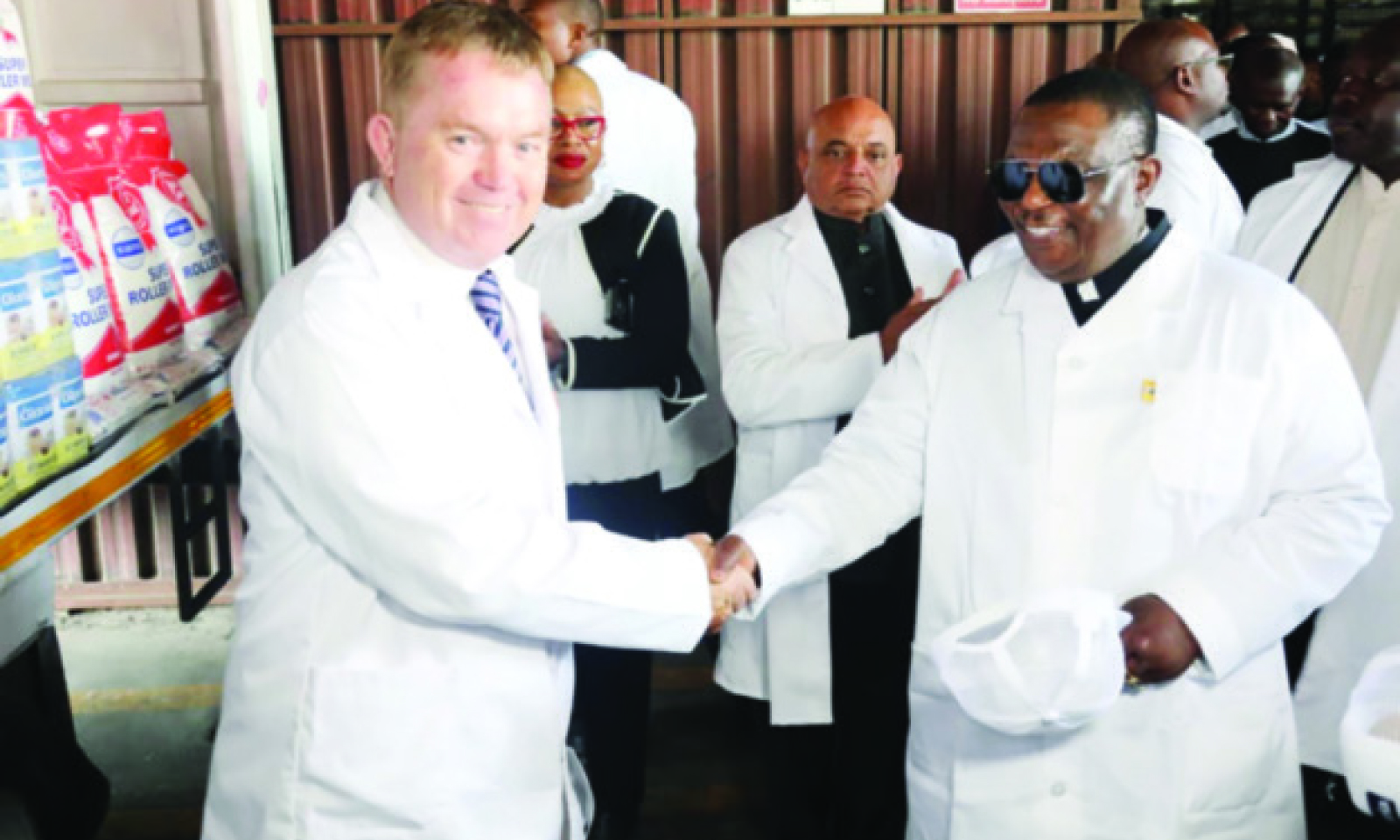
Mukudzei Chingwere in BULAWAYO
THE manufacturing sector must invest in research-driven innovation and align with global industrial trends to boost local production and reduce reliance on imports, Vice President Dr Constantino Chiwenga has said.
Innovation anchored on science and technology, he said, would enable Zimbabwe to produce more of its own goods, strengthen industrialisation and save valuable foreign currency currently being spent on importing basic food items.
Dr Chiwenga made the remarks yesterday after touring the newly-commissioned National Foods milling plant in Bulawayo, a key project under the Government’s ongoing assessment of major economic developments across the country.
“The newly-commissioned National Foods milling plant stands as a powerful symbol of our commitment to modernising agro-processing infrastructure and other value chains,” said VP Chiwenga.
“As we celebrate this milestone, we must also confront a strategic challenge: Our continued reliance on imported wheat to produce bread. This dependency not only strains our foreign currency reserves, but also limits the full potential of our local agricultural sector.
“To address this, I call upon National Foods Holdings to take a leading role not only as a processor, but as a partner in innovation.”
He urged the private sector, particularly National Foods Holdings, to lead efforts in developing home-grown solutions by collaborating with national research institutions such as the Scientific and Industrial Research and Development Centre (SIRDC) and the Research Council of Zimbabwe.
“Together, let us invest in research that enhances the quality and yield of Zimbabwean wheat, enabling it to have adequate gluten properties and protein content making it suitable for bread without the need for blending with foreign varieties,” he added.
“This would build a self-sustaining value chain that begins with Zimbabwean farmers and ends with Zimbabwean consumers, enabled by local innovation, science and industry.”
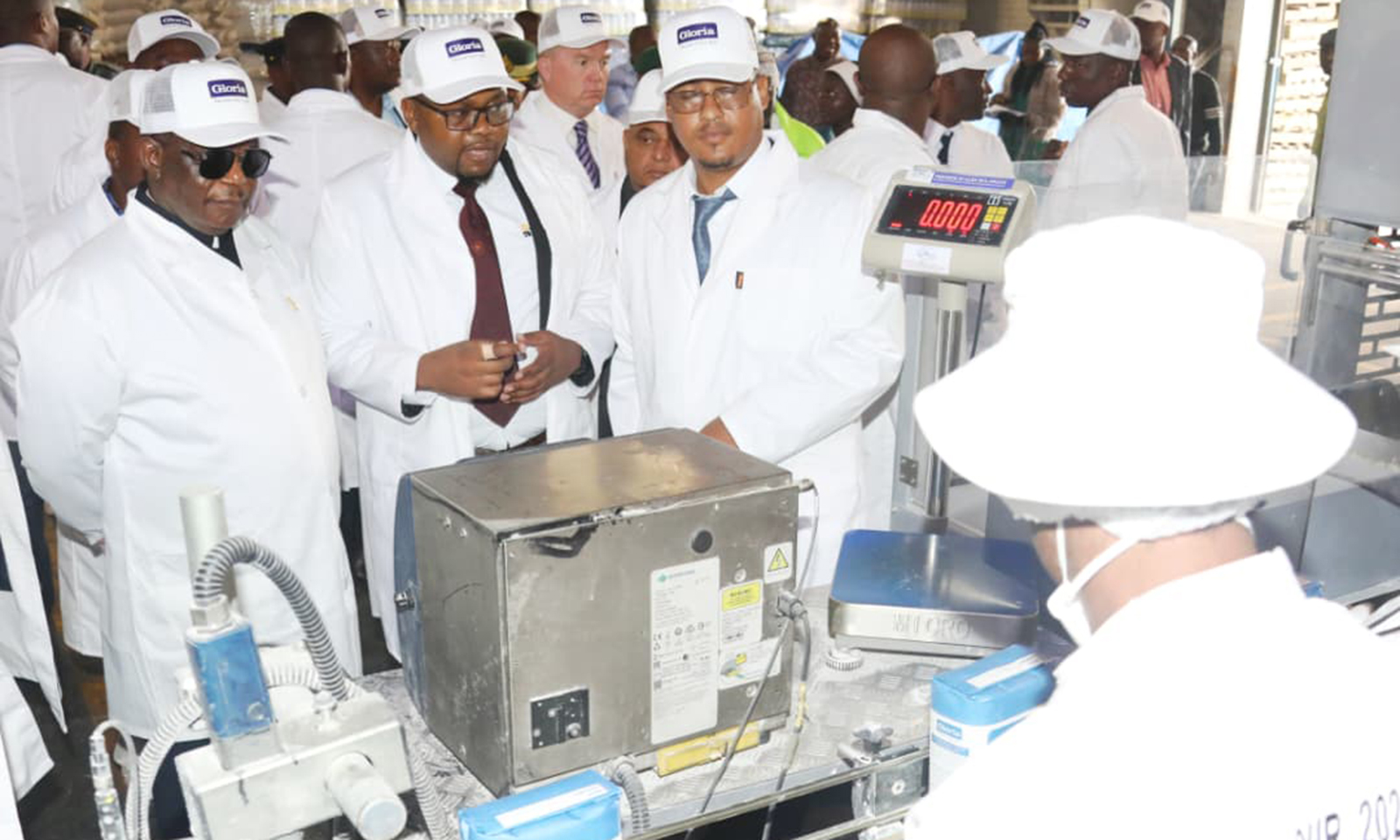
Dr Chiwenga said Zimbabwe must not continue importing simple processed foods such as instant noodles and porridge when local industry has the capacity to produce them competitively.
He commended National Foods Holdings for its diversification drive, which has seen the company expand into the production of cornflakes, bran flakes, instant cereals and other value-added products.
“I encourage the company to continue expanding its portfolio, exploring new product categories, and deepening its footprint in both domestic and export markets,” said VP Chiwenga.
National Foods Group Chief Executive Officer, Mr Mike Lashbrook, said the company’s new US$8.6 million milling plant represents a significant investment in Zimbabwe’s food security and industrial self-reliance.
“The new mill has a capacity of 300 tonnes a day, representing a 25 percent increase in throughput compared to the previous 240 tonnes a day,” said Mr Lashbrook.
“This increased production capacity ensures that Zimbabwe can meet domestic flour demand, strengthening food security and promoting national self-sufficiency in line with the Government’s vision.
“The investment also reduces the need for flour imports, saving the nation valuable foreign currency.”
Dr Chiwenga’s visit to Bulawayo follows similar tours in Matabeleland North and South, where he has been assessing progress on Government-backed economic and infrastructure projects aimed at accelerating industrialisation and inclusive growth.