Online Reporter
Marshall Ndlela, [email protected]
ZIMBABWE stands at a critical juncture, with Local Government authorities emerging as vital catalysts for achieving Vision 2030, the nation’s blueprint for becoming an upper-middle-income economy by 2030.
By leveraging the abundant labour, primary skills, and natural resources in rural areas, local authorities can transform primary industries — agriculture, mining, forestry, and tourism — into engines of sustainable growth.
However, municipal governance challenges and the underutilised potential of the Zimbabwean diaspora must be addressed to realise this vision.
Drawing inspiration from global models like India, China, Singapore, and Indonesia, this article explores how innovative farming, robust local governance, and diaspora engagement can drive Zimbabwe’s economic transformation.
Local Governance: The Cornerstone of Vision 2030
Local Government authorities are pivotal to Zimbabwe’s Vision 2030, which aims to achieve inclusive growth, food security, and industrialisation under the National Development Strategy 1 (NDS1, 2021–2025).
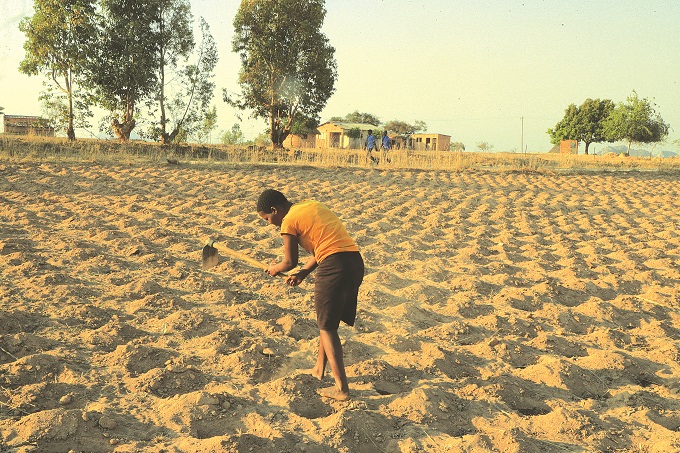
Managing primary industries — agriculture (17 percent of Gross Domestic Product), mining (12 percent), and tourism (8 percent) — local authorities bridge national policies with grassroots needs. The devolution policy, which allocates resources to local councils, empowers them to invest in rural infrastructure, agricultural innovation, and eco-tourism, aligning with Vision 2030’s goals of reducing poverty and boosting exports.
Global examples highlight the power of local governance. In India, the Panchayati Raj system supports rural development through programmes like the Mahatma Gandhi National Rural Employment Guarantee Act (MGNREGA), which provides 100 days of wage employment annually, enhancing agricultural productivity and infrastructure. China’s township and village enterprises (TVEs) in the 1980s drove rural industrialisation by mobilising local labour and resources. Singapore’s efficient local governance fosters urban farming innovations, such as vertical agriculture, maximising limited land.
Indonesia’s Dana Desa programme channels funds directly to villages, enabling investments in agriculture and tourism.
In Zimbabwe, local councils have mirrored these successes through initiatives like the Pfumvudza/Intwasa programme, which increased maize yields by 20 percent in 2024 by promoting conservation agriculture, directly supporting Vision 2030’s food security targets.
Rural economies: Harnessing labour and skills
Rural areas, home to 70 percent of Zimbabwe’s population, are rich in labour and primary skills in farming, artisanal mining, and natural resource management. These assets align with Vision 2030’s focus on job creation and inclusive growth.
The factor endowment theory supports this, suggesting that economies should capitalise on abundant resources like labour and land. Zimbabwe’s fertile soils, mineral deposits, and biodiversity provide a comparative advantage for labour-intensive industries like agriculture and agro-processing.
Local authorities can enhance these skills through training in modern techniques like drip irrigation and agroforestry. For example, in Masvingo, irrigation schemes managed by local councils have boosted smallholder farmers’ incomes, contributing to Vision 2030’s poverty reduction goals. Cooperatives in Mashonaland Central process crops like tobacco and maize for export, adding value and creating jobs.
Zimbabwe’s identification system: A tool for investment
Zimbabwe’s unique identification system, which ties citizens to their rural places of origin, is a powerful tool for economic development. By tracking skills and encouraging “back home” investments, local authorities can mobilise diaspora and local expertise. For instance, a professional from Harare, originally from Manicaland, could invest in commercial farming or agro-processing in their rural hometown. This system fosters accountability and aligns with Vision 2030’s emphasis on human capital development.
The devolution policy supports this by empowering local councils to attract investments. By creating databases of skilled individuals, authorities can connect professionals to rural projects, such as horticulture ventures or eco-tourism initiatives, driving value-added industries and economic growth.
The diaspora: A catalyst for Vision 2030
The Zimbabwean diaspora, over one million strong, is a critical asset for Vision 2030. With exposure to advanced technologies, entrepreneurial models, and global markets in countries like South Africa, the UK, and the US, diaspora members bring expertise and capital. In 2024, remittances reached US$1,9 billion, offering a lifeline for rural investment. For example, diaspora-funded irrigation projects in Manicaland or cultural tourism ventures in Matabeleland North can create jobs and spur innovation.
Local authorities must create investment-friendly environments through streamlined regulations and incentives, such as tax breaks for diaspora-led agricultural startups. The Zimbabwe Investment and Development Agency (Zida) can collaborate with councils to establish diaspora desks, linking professionals to local projects.
Virtual investment summits and diaspora bonds can further channel remittances into productive sectors, aligning with Vision 2030’s industrialisation and export goals.
Municipal challenges: A barrier to progress
Despite their potential, Zimbabwe’s local authorities face significant hurdles that threaten Vision 2030.
Chronic underfunding is a major issue, with only 5 percent of the 2024 national budget allocated to devolution, limiting investments in rural infrastructure like roads and storage facilities. Corruption and mismanagement erode trust, with urban councils like Harare and Bulawayo struggling with erratic water supply, poor waste management, and unmaintained roads.
In rural areas, outdated land management practices and limited technical capacity hinder agricultural productivity, while climate change — marked by droughts and floods — threatens livelihoods. These failures discourage investment and stifle economic activity.
For example, poor road networks in rural Matabeleland hinder the transportation of agricultural produce, while mismanagement in some councils has led to misallocated funds meant for irrigation or tourism projects. Addressing these challenges is critical to unlocking the potential of local governance.
Innovative farming and tourism: Driving economic growth
Innovative farming is central to Vision 2030’s focus on food security and export-led growth.
The Pfumvudza/Intwasa programme promotes conservation techniques like mulching and crop rotation, supporting 1,5 million smallholder farmers in 2024 and boosting crop resilience.
In Mashonaland Central, solar-powered irrigation systems have enabled year-round farming, increasing horticulture exports.
These innovations enhance productivity and align with Vision 2030’s goal of a food-secure nation. Tourism, particularly community-based tourism (CBT), is another growth driver.
In Chiredzi, local councils have partnered with communities to develop cultural and wildlife tourism experiences, attracting international visitors and generating revenue. Eco-tourism projects in Hwange, supported by local governance, capitalise on Zimbabwe’s biodiversity, contributing to Vision 2030’s diversification objectives.
The way forward: Overcoming challenges
To achieve Vision 2030, Zimbabwe must address municipal failures and maximise diaspora engagement. Increasing devolution funding to at least 10 percent of the national budget would enable councils to invest in infrastructure and innovation. Anti-corruption measures, such as transparent budgeting and community oversight, can restore trust.
Training programmes for officials and farmers, supported by partners like the Food and Agriculture Organisation (FAO), can build capacity for modern farming and resource management. Diaspora engagement requires proactive policies.
Local authorities can partner with Zida to create investment platforms, while diaspora bonds and summits can channel remittances into agriculture and tourism. By emulating Singapore’s efficient governance or Indonesia’s village fund model, Zimbabwe can empower local authorities to drive sustainable growth.
Zimbabwe’s Local Government authorities are the linchpin of Vision 2030, with the potential to transform rural economies through innovative farming, sustainable resource management, and diaspora engagement. Despite challenges like underfunding and mismanagement, the abundance of rural labour, primary skills, and diaspora expertise offers a clear path forward.
By strengthening local governance, fostering innovation, and leveraging global models, Zimbabwe can turn its rural heartlands into hubs of economic activity, achieving the upper-middle-income status envisioned by 2030. The road ahead demands bold reforms, but with collective effort, local authorities can lead Zimbabwe to a prosperous, inclusive future.



 Blessing Chizhande