Online Reporter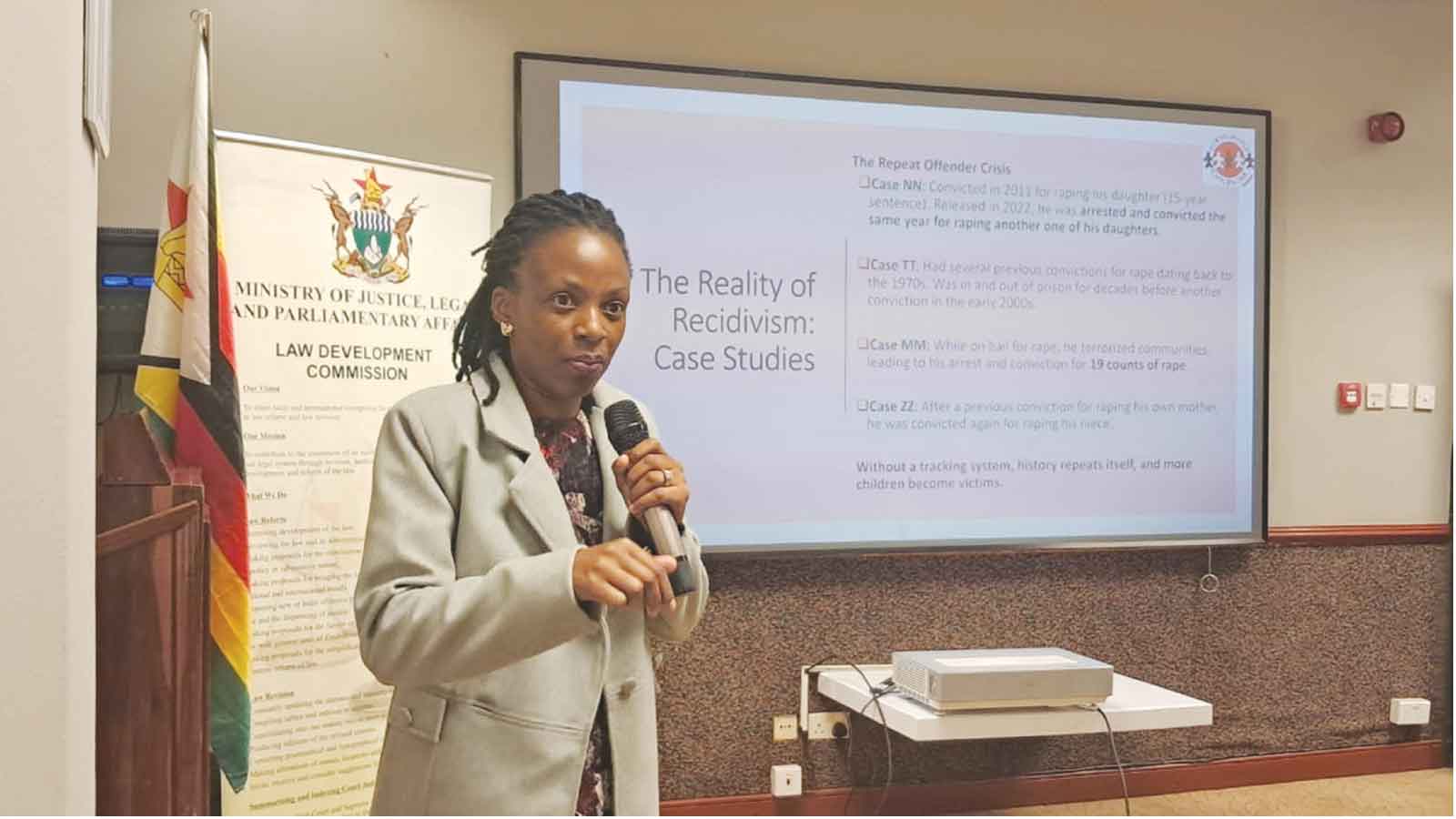
Fatima Bulla-Musakwa
Features Writer
In 2011, Tichaona Zvaipa (not his real name) was convicted of raping his daughter and sentenced to 15 years in prison.
When he walked free in 2022 after serving his sentence, few in his community suspected he had returned unchanged.
Within months, history repeated itself.
The former inmate sexually assaulted his second daughter. He was arrested, prosecuted and convicted once again.
For child protection advocates, Zvaipa’s case represents more than a family tragedy. It exposes what they describe as a critical gap in Zimbabwe’s criminal justice system: once convicted sex offenders complete their prison terms, there is currently no legal mechanism to monitor them or assess the risk they may pose.
According to Childline Zimbabwe, fathers account for 28 percent of perpetrators in sexual abuse cases reported through its national helpline, highlighting the disturbing reality that children are often abused by those entrusted with their care.
Four years after Zvaipa’s second conviction, pressure is mounting for Zimbabwe to establish a national sex offenders register.
The urgency is reflected in official statistics.
A woman is raped approximately every 75 minutes in Zimbabwe. By April this year, the Zimbabwe Prisons and Correctional Service (ZPCS) recorded 4 605 convicted sexual offenders out of a total convicted prison population of 20 346.
At 22,6 percent, sexual offences constitute the single largest category of convictions.
Childline’s figures paint an equally disturbing picture. Of the 8 706 cases received through its national helpline, 2 728 involved sexual abuse, representing 31 percent of all reported cases.
Many of the perpetrators are known to their victims. Childline says 33 percent are relatives, including uncles and aunts, while mothers account for 16 percent of reported perpetrators.
Against this backdrop, the Government, legal experts, child rights organisations and law enforcement agencies have intensified discussions on establishing a national sex offenders register.
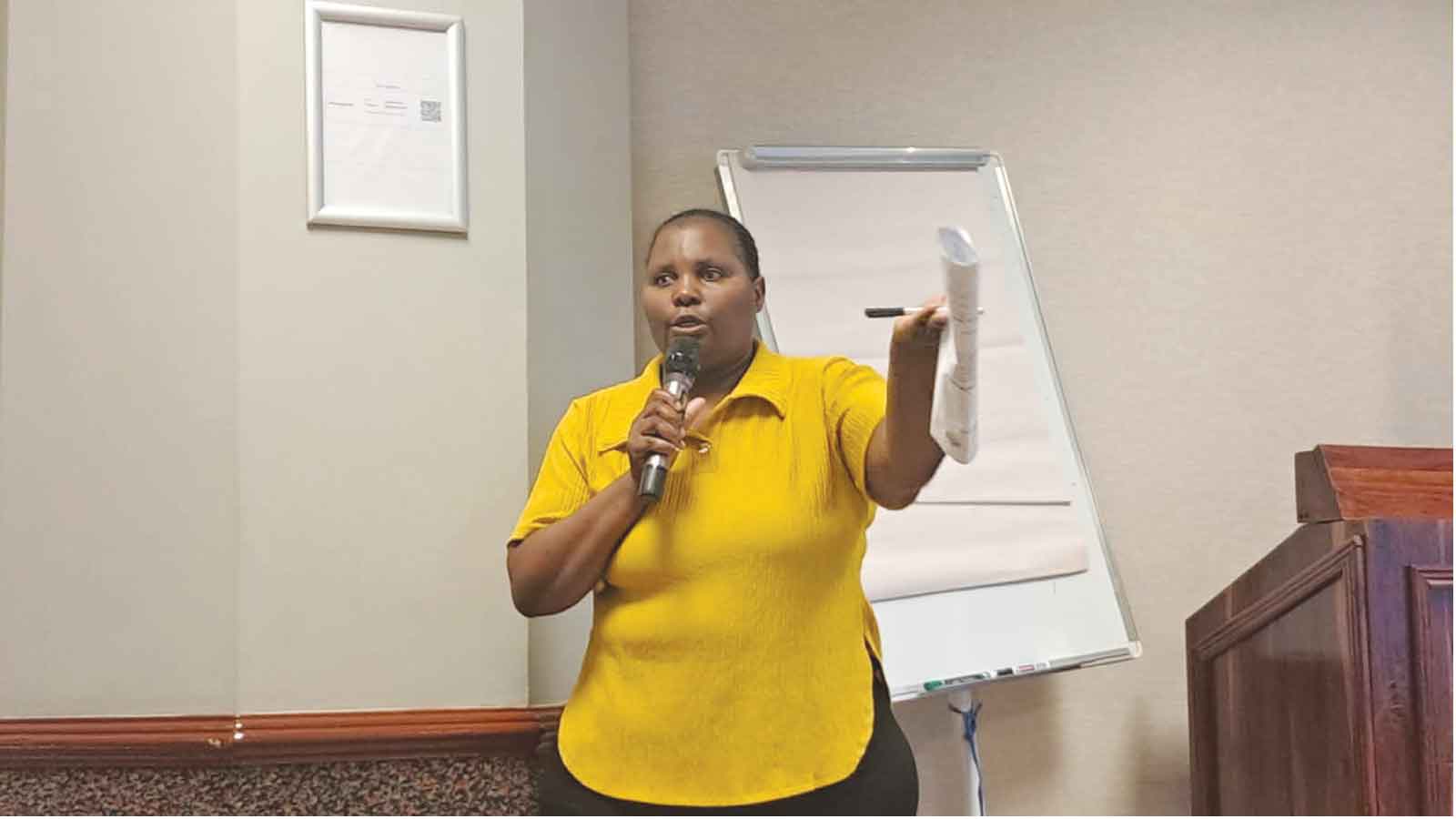
Convened by the Ministry of Justice, Legal and Parliamentary Affairs together with the Centre for Applied Legal Research (CARL), stakeholders recently met in Harare to examine how such a system could be developed within Zimbabwe’s legal and constitutional framework.
The proposed register would be a secure, searchable electronic database containing information such as fingerprints, deoxyribonucleic acid (DNA) profiles, conviction histories, residential addresses and risk assessments of convicted sexual offenders.
Its purpose would go beyond simply keeping records.
Law enforcement agencies would be able to monitor offenders after release, investigators could more quickly identify potential suspects when new offences occur, and employers working with children, including schools, hospitals and orphanages, could screen prospective employees before hiring them.
Childline Advocacy Lead Mrs Shamiso Masokovere-Magoko believes the register would provide both deterrence and protection.
“It is quite disturbing when we have family members, particularly the father, a trusted person, being the perpetrator,” she said.
“If the perpetrator is someone familiar, is it not important for communities to know when that person has been released so they can make informed decisions about their safety?”
At present, Zimbabwe has no law requiring convicted sexual offenders to report to police after completing their prison terms.
Among the proposals under discussion are requirements for offenders to report to the nearest police station within five days of release and thereafter every three months to verify their personal details and place of residence.
Zimbabwe Republic Police Victim Friendly Unit coordinator for Harare, Inspector Dorcas Kanyemba, said sexual offences remain among the country’s gravest crimes.
“The increasing complexity of sexual offending, the use of technology and the tendency for some offenders to re-offend necessitate a mechanism for monitoring and managing convicted sexual offenders,” she said.
Insp Kanyemba added that police have observed increases in rape and robbery cases following some prisoner releases, with offenders frequently targeting victims travelling to schools, bus terminuses, farming fields and recreational centres.
While many support the proposal, the debate is far from straightforward.
The proposed register raises difficult constitutional questions about balancing public safety with the rights to dignity, privacy and rehabilitation guaranteed under Sections 51, 57 and 86 of Zimbabwe’s Constitution.
Chief legal officer with the Law Development Commission, Mr Raymore Zvoushe, cautioned that any registry must remain firmly anchored in constitutional principles.
“If we do not respect the right to human dignity of a convicted person, the chances of that person reoffending may actually increase because they may feel prison is the only place where they can escape public hostility,” he said.
The Zimbabwe Prisons and Correctional Service has also urged policymakers to consider the implications for rehabilitation and reintegration.
Chief correctional officer, Mr Ison Ndoro, said available evidence suggests citizens’ perception often overestimates sexual reoffending among former inmates.
“Most sexual offences are committed by people with no prior conviction,” he said.
“So, the question is whether we should focus only on those who have already been rehabilitated and released, or also strengthen systems that identify and manage individuals who may offend for the first time.”
Zimbabwe is not alone in grappling with these questions.
South Africa, Kenya and the United States all operate sex offenders’ registers, although each has adopted a different model.
Kenya established its register under the Sexual Offences Act of 2006. It is managed by the Ministry of Justice and housed within the Supreme Court, with access largely restricted to justice institutions. Citizens may obtain information only through a formal application process.
South Africa, likewise, maintains a restricted register, while the US introduced its first registry in 1994 following the rape and murder of seven-year-old Megan Kanka by a repeat sexual offender, a case that transformed public policy on community notification.
As Zimbabwe considers whether to adopt a similar system, the challenge extends beyond creating another database.
It is about finding the delicate balance between protecting children and other vulnerable members of society, preserving constitutional rights, supporting offender rehabilitation and strengthening public confidence in the justice system.
As Secretary for Justice, Legal and Parliamentary Affairs, Mrs Vimbai Nyemba, observed, the question is no longer simply whether Zimbabwe should establish a sex offenders register, but if such a system can effectively protect vulnerable people, strengthen the administration of justice and inspire public confidence, while remaining fully consistent with the country’s laws and constitutional values.