

 Online Reporter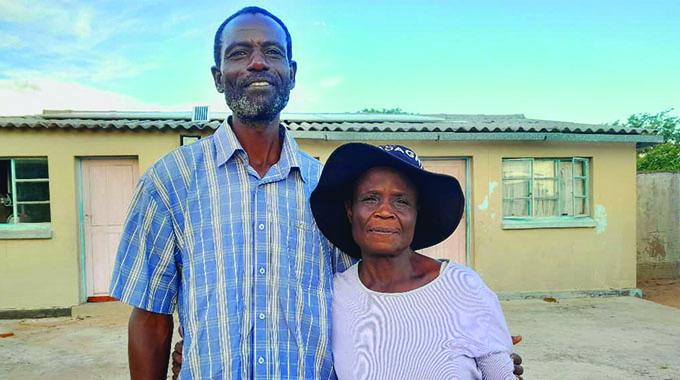
Ashley Phiri, [email protected]
EQUIPPED with a Starlink internet kit, right in their own home in Thandabantu Village, a quiet couple in rural Insiza District, Matabeleland South Province, is making significant strides in bridging the digital divide and transforming the educational journeys of local youngsters.
Mr Salvin Bhebhe and his wife, Perpetual, have utilised the Starlink Christmas gift from their son, to create a crucial resource for 44 students, from early childhood development to advanced level, establishing the Jennifer Bhebhe Community Learning Centre, a much-needed source of opportunity in a region where such provisions are thin on the ground, thanks to a small number of laptops and their considerable kindness.
“When our son unexpectedly gifted us a Starlink kit, we decided to share it with the community. We could have kept it for ourselves, but we saw a greater need. Children here were struggling to access the internet. So, we opened our home,” said Mr Bhebhe.

That single act of generosity has since snowballed. As word of the initiative spread, a private school owner in Mawabeni, moved by photos of the children using the facility, donated five laptops: Two outright, and three more on loan for two years, with the promise that if well maintained, they would become permanent gifts.
Already powered by solar energy, the Bhebhe household has transformed into a hospitable learning hub, welcoming children and curious adults eager to explore the world beyond their village. Ward 5 Councillor, Ngobe Masongo, praised the initiative as a game-changer.
“This is what community-driven development looks like. The centre is now a model we want to replicate in other areas. We’re also engaging Government departments to support the community’s earlier request for a library and dedicated community centre,” he said.
Village Head, Mr Thembelani Mthunzi, echoed the sentiment, highlighting the initiative’s impact on local education.
“Our children can now compete academically with their peers from elite urban schools. Even we, the adults, are benefitting. We research farming techniques, remedies for illnesses and even new recipes. It has changed our lives,” he said.
Recently, the centre hosted Mr Melulwazi Dlamini, founder of ZimInclusive Learning, an online education platform. For two weeks, he has been delivering lessons via Google Classroom, teaching basic ICT skills, and offering tutoring in Mathematics and Science.

“The energy from these students is amazing. All they needed was access,” he said.
One of the beneficiaries, Form Four pupil Sicecisiwe Maphosa, also shared her gratitude.
“I’m so happy the learning centre was opened for us. Buying data used to be a big challenge, but now I can research all my subjects without stress,” she said.
In a ward where only one of five primary schools and just one of three secondary schools have functional computers, the need for such grassroots initiatives cannot be overstated. Local residents have rallied behind the Bhebhe family, applauding their selflessness. One of them, Mr Qhubani Sibanda, highlighted the wider benefits of internet access.
“This isn’t just for students. There are online courses and even job opportunities for adults. We are grateful to the Bhebhe family for opening our eyes to a world we didn’t think was within reach,” he said.

The learning centre is named in memory of Mr Bhebhe’s late sister-in-law, Jennifer Bhebhe, a woman remembered for her staunch dedication to her children’s education after losing her husband soon after independence. Starlink has proven to be a transformative force in rural connectivity, offering affordable and reliable internet access in areas where traditional options are limited or non-existent. As the Government prepares to roll out the Presidential Internet Scheme — aimed at equipping all 2 400 administrative wards with high-speed internet — such community-led projects perfectly complement national efforts to build a connected, inclusive digital society.
This initiative, aligned with the Smart Zimbabwe Master Plan, will leverage advanced Low Earth Orbit (LEO) satellite technology and fibre-optic infrastructure to expand access to essential services such as schools, clinics and community centres, ensuring that even the most remote areas benefit from a truly digital society


 Bongani Ndlovu