Online Reporter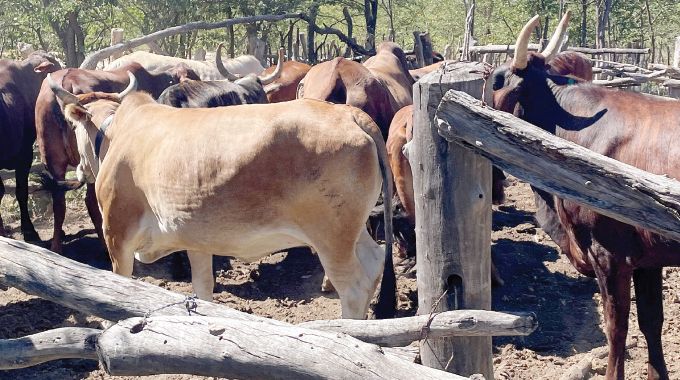
Luyanduhlobo Makwati, [email protected]
LIVESTOCK farmers in Insiza District, Matabeleland South, have expressed fresh optimism for the 2026 season as theileriosis — the deadly tick-borne ailment commonly known as January disease — shows signs of containment following three years of devastation.
Communal farmers across the district reported that the year has begun on a significantly more positive note than previous cycles.
In recent years, this period was marked by farmers counting heavy losses as the disease spread through herds with the speed of an “uncontrollable veld fire,” including a particularly lethal first quarter in 2025 that saw hundreds of cattle perish.

Local farmer Mr Lwazi Ncube said the current stability provides a vital window for recovery.
“You are aware that over the last three years we have been reeling in pain, losing our cows to January disease. As for this year, it is still quiet and we hope for the best because what happened in the past was terrible,” he said.
Another producer, Mr Makhosi Nsingo, echoed these sentiments, noting that if the wet season remains free from major outbreaks, farmers can finally begin the long process of restocking and rebuilding herds depleted by successive infections.
Matabeleland South provincial veterinary services director, Dr Enat Mdlongwa, confirmed the season is looking promising due to a combination of favourable rains and targeted interventions. However, he warned that the reprieve depends entirely on farmers adhering to strict preventative protocols.
“We are encouraging our farmers to dip their cattle using the 5-5-4 dipping regime and we are also manufacturing a vaccine, which wie vaccinate cattle for free called JD vaccine,” Dr Mdlongwa said.
The director noted that while livestock at present appear healthy due to the ongoing rains, certain “pockets” within the province remain at risk. He stressed that total eradication is a long-term goal that requires absolute consistency from the farming community.
“We still receive pockets of infection foci. Farmers need to dip their animals religiously. It took the colonial Government 20 years to eradicate this disease,” Dr Mdlongwa cautioned.
As part of the broader strategy to eliminate theileriosis, the Department of Veterinary Services has urged farmers to work in close co-ordination with officials, maintain weekly dipping schedules, and ensure cattle are vaccinated against all preventable diseases and treated for internal parasites.
January disease is caused by the parasite Theileria parva and is transmitted by ticks. While the threat is most acute during the high-rainfall month of January, it remains a persistent danger throughout the southern summer from December to March.