Business Reporter
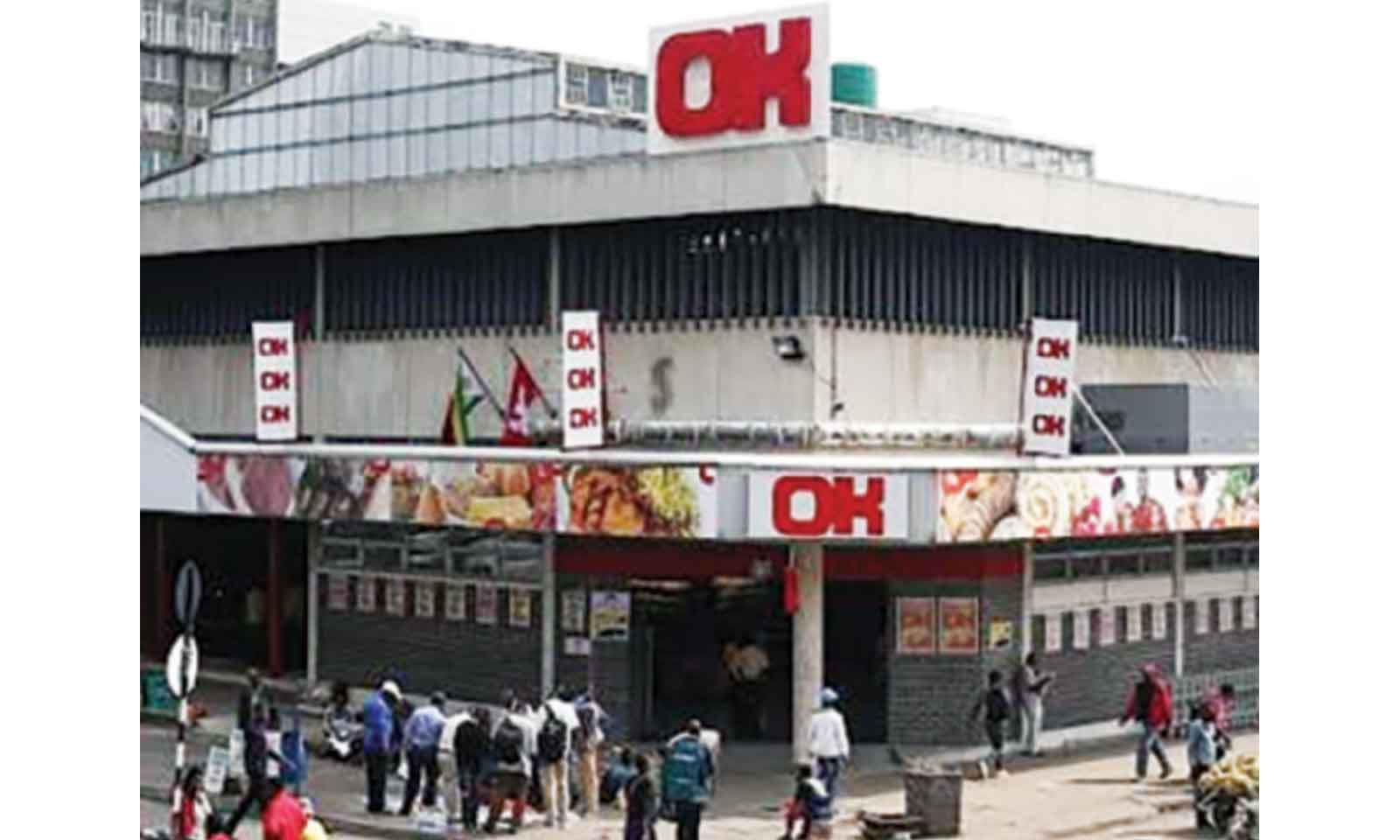
Zimbabwe’s corporate landscape is navigating a challenging era, marked by a wave of high-profile business rescue filings, including retail giants like OK Zimbabwe and agricultural anchors such as Cottco.
According to Mr Zondi Kumwenda, a veteran chartered accountant and audit and advisory partner at Crowe Zimbabwe Chartered Accountants, growing business rescue filings come as formal retail and manufacturing entities face growing pressure from informalisation and soaring imports.
Mr Kumwenda said this in his presentation titled “Corporate Rescue in Zimbabwe: Lifeline or Life Support”, delivered at the three-day Confederation of Zimbabwe Industries (CZI) Strategic Intelligence Forum, organised in partnership with Zimpapers, which ended on Friday.
The strategic intelligence forum brought together senior Government officials, chief executives, board members, entrepreneurs, regulators, development partners and sustainability practitioners, among others.
However, beneath the external shocks lies a sobering truth: “Most collapses are governance failures before they are cash failures: the macro shock is the trigger, but an alert board sees it coming.”
When examining why companies spiral into failure, Mr Kumwenda pointed to a toxic blend of internal governance blind spots and relentless macroeconomic friction.
He said many distressed firms suffer from weak or captive boards, dominant founders who operate without challenge, unchecked strategy drift and a lack of proper succession planning.
Mr Kumwenda said boards frequently display “optimism bias,” making them the last to admit distress and causing them to file for rescue far too late.
As Mr Kumwenda noted regarding major retail distress, “OK Zimbabwe’s distress was visible in its numbers long before filing.”
In fact, Zimbabwe’s once largest retail chain experienced an 84 percent revenue collapse in just 11 months, watching revenues plummet from US$245 million down to US$40 million.
According to Mr Kumwenda, companies frequently fall into the trap of over-gearing, relying on expensive short-term debt, currency-mismatched borrowings and poor working-capital discipline.
Value is often prematurely extracted via dividends and related-party loans while systems go under-invested.
Currency volatility, conversion losses, inflation, abrupt trade shifts and acute power and utility failures have battered balance sheets in the past, which has, however, been addressed following the launch of the gold-backed currency, ZiG, in 2024.
When these internal and external pressures push a company into insolvency, stakeholders face a critical crossroads.
Left unchecked, unmanaged financial distress terminates in liquidation — an orderly realisation and distribution of assets that often destroys stakeholder value.
To prevent total value destruction, distressed firms may enter corporate rescue under the Insolvency Act (Chapter 6:07).
This process introduces a legal moratorium that halts creditor enforcement and provides a breathing space for a registered Corporate Rescue Practitioner to take full management control, investigate affairs, and construct a recovery plan. However, the rescue mechanism itself is not a guaranteed cure. Without fresh capital, rescue efforts risk stalling entirely, leading Mr Kumwenda to caution that “Rescue without new money is a slower liquidation.”
Ultimately, corporate rescue serves as a vital bridge, but as the market demonstrates, “Rescue is a bridge — there must be a bank on the other side.”
For Zimbabwean corporations to break the cycle of failure, boards must transition from reactive panic to early prevention —treating the statutory six-month solvency test as a live dashboard rather than a post-mortem.