Online Reporter
Bruce Ndlovu Sunday Life Reporter
IN a city that has learnt to recognise the arrival of spring through more than just the warming weather, the silence has been difficult to ignore.
In the past, usually, around this time of the year, Bulawayo would begin to acquire a different rhythm.
Theatre posters would start appearing while artists begin moving between rehearsals and venues. Conversations about shows, exhibitions, music and poetry would become louder. For a few days, the city would become a stage, as artists from across the country and beyond descend on the City of Kings for Intwasa Festival koBulawayo.
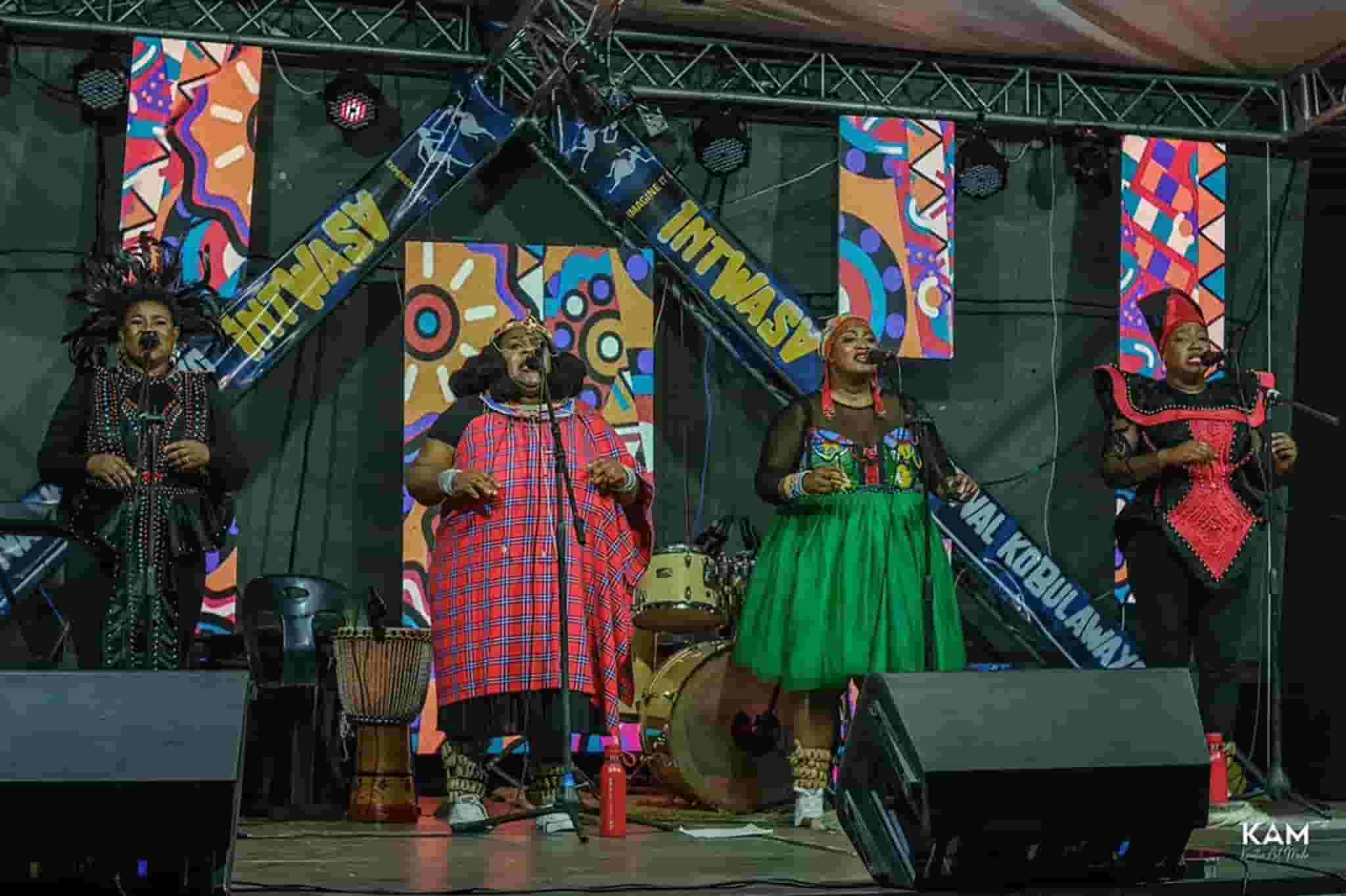
Yes, the festival had taken a few hit over the past years, as it struggled to come to terms with a new landscape in the wake of the Covid-19 pandemic and its lockdowns. Despite this, Intwasa, even at a smaller scale, has always managed to herald the arrival of spring.
This year, however, the familiar festival buzz has been conspicuous by its complete absence.
There have been no grand build-ups, no flurry of programme announcements and little of the activity that has traditionally signalled the approach of one of Bulawayo’s biggest cultural events.
Now, the festival organisers have confirmed what the silence had begun to suggest: Intwasa will not take place in its usual September window but will instead be pushed to December.
The postponement comes at a difficult time for Zimbabwe’s cultural calendar, following the postponement of the much-anticipated relaunch of the Harare International Festival of the Arts (Hifa), another institution whose return had been watched closely by the country’s creative sector.
For two of Zimbabwe’s best-known festivals, the road back to the cultural prominence they once enjoyed has therefore proved more complicated than simply switching the lights back on.
Intwasa director Raisedon Baya said the festival has been caught between the familiar problem of financing and an additional challenge this year — a split focus among its organisers, who have been working on another project.
“Things have definitely been tough,” Baya told Sunday Life.
“We have been too busy over the last few months running all over the place, but to be honest with you, my activities have not really been about the festival. We were going to make an announcement in due course. The truth of the matter is that we are trying to push the festival to December, because like I said we are running around and working on something else and that has meant that we don’t have as much dedicated to Intwasa as we would like.”
For a festival whose identity has become intertwined with September and the arrival of spring in Bulawayo, the decision represents a significant departure. However, Baya said postponing the event was preferable to attempting to stage a diminished event while attention and resources are divided.
Pushing Intwasa to December, he said, gives the organisers breathing room to give the festival the attention it requires.
“Pushing it to December allows us to give it the amount of time that we think that it deserves,” he said.
Intwasa, like many arts initiatives in Zimbabwe, has had to navigate an environment in which cultural funding is difficult to secure and private benefactors are few.
“This year we have faced our usual challenges in terms of finance and funding but in addition to that we have struggled because we are also running around doing some other project that we’re trying to bring to fruition. So we tried to balance the two for September but that has not been possible hence the decision to push Intwasa to December,” Baya said.
Baya said there was no mystery about what made the festival difficult to sustain.
“We have struggled because there’s no funding and we don’t have any rich benefactors coming to our rescue. I think we all know, without proper funding it’s quite difficult,” he said.
Baya said that despite the challenges, organisers of the arte extravaganza still adhered to the principle that even when the festival cannot operate at full strength, it must not disappear completely. That philosophy will again be tested this year.
“I will probably this week give out the dates for December, but on the 24th, 25th and I think 26th of September, we are setting up some theatre shows at Bulawayo that we will be hosting.
“We are doing just to keep the festival alive and running, because that has always been our motto.
No matter what happens, no matter how dire the situation is financially, we should always have the festival running in some capacity and that is what we are aiming to do again,” he said.
Intwasa’s determination mirrors the larger predicament facing Zimbabwe’s cultural festivals. For years, they have served as some of the most visible pillars of the country’s creative economy. They have provided platforms for musicians, actors, dancers, writers, visual artists and filmmakers, while also bringing audiences, tourists and creative professionals together.
However, staging them requires more than artistic ambition and when the money dries up, even festivals with strong brands and long histories can find themselves struggling. Hifa’s own attempt at a comeback illustrated the scale of the challenge. In announcing the postponement of its relaunch in July, organisers acknowledged that restoring a festival of its former scale and ambition was not a simple undertaking.
“Reviving a festival with Hifa’s history, ambition and scale is a significant undertaking,” the organisers said.
“As preparations have progressed, it has become clear that giving ourselves more time is the most responsible way to ensure that HIFA returns with the artistic excellence, organisational care and sense of occasion that our audiences expect and deserve.”