admin
admin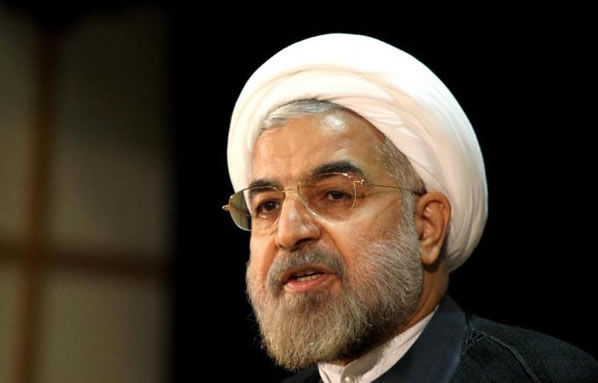
Iran and six world powers have begun a second day of talks aimed at ending a decade-old standoff over Tehran’s disputed nuclear activities, with diplomats expressing “cautious optimism” for their chances.
The negotiations between senior officials from Iran and the United States, Russia, China, France, Germany and Britain got under way yesterday at the United Nations headquarters in Geneva.
A further round of talks are likely to take place in several weeks time to hammer out details of an emerging agreement, western diplomats told Reuters news agency. The six countries were expected to press Iran for details of its proposal outlined on Tuesday which were yet to be disclosed.
Mohammad Javad Zarif, the Iranian foreign minister, and his team had presented the proposal in which they called a potential breakthrough for the diplomatic row over its contested nuclear programme.
Michael Mann, the spokesman for the European Union foreign policy chief Catherine Ashton, who leads the negotiations on behalf of world powers, said the Iranian presentation had been “very useful”, but did not elaborate.
Western officials said the fact that the plan was delivered in English for the first time underlined a new mood in the often-tense nuclear talks.
Abbas Araghchi, a senior Iranian negotiator, praised the “very positive environment” and said the “reaction was good” across the table. However, Western diplomats stressed they wanted Tehran to back up newly conciliatory language with concrete actions by agreeing to scale back its enrichment of uranium and take verifiable steps to show it is not covertly trying to develop the means to produce nuclear bombs.
The talks in Geneva are seen as a test for the administration of Iranian President Hassan Rouhani, who took office in August pledging transparency on the nuclear programme and engagement with the international community to help lift the sanctions strangling Iran’s economy.


 Online Reporter