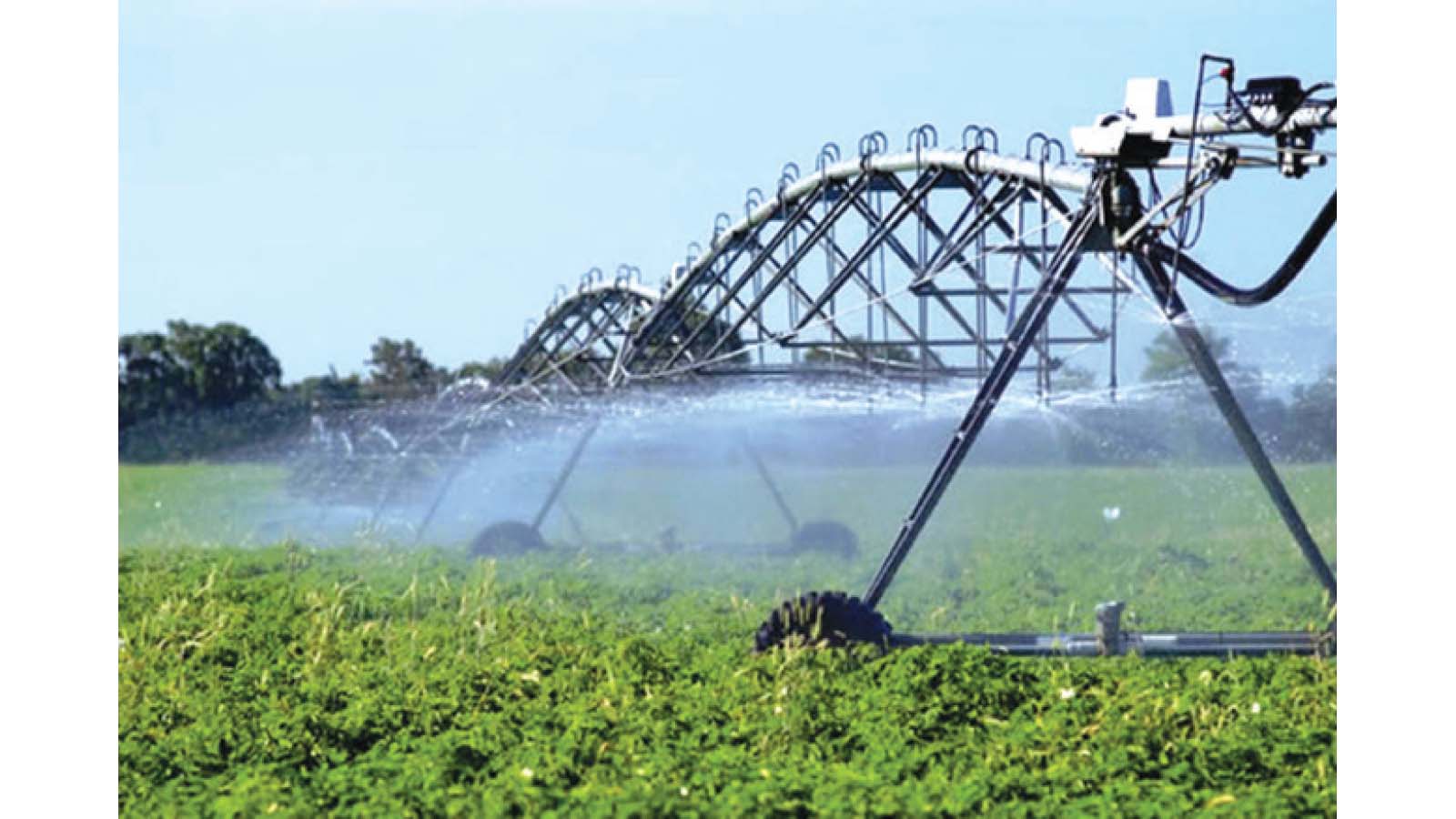
This year’s record expansion of irrigation infrastructure demonstrates the Government’s commitment to transforming agriculture, strengthening food security, and reducing the country’s dependence on increasingly unpredictable rainfall.
The development of 67 129 hectares of irrigation capacity, the largest annual increase in the country’s history, represents significant progress towards climate-proofing agriculture.
According to figures released by the Ministry of Agriculture, Mechanisation and Water Resources Development, the expansion has brought the country’s total irrigated land to 305 121 hectares, moving it closer to its 2030 target of 496 000 hectares.
This achievement deserves recognition, particularly at a time when climate change is making traditional rain-fed agriculture increasingly unreliable.
Zimbabwe has experienced recurring droughts that have disrupted agricultural production, threatened household food security and forced the country to spend scarce foreign currency importing grain.
Expanding irrigation is therefore not merely an agricultural development programme. It is an economic necessity that will strengthen national resilience against climate shocks.
We commend the Government for recognising that the country’s abundant water resources must be harnessed productively rather than allowing communities to remain vulnerable to drought while substantial water reserves lie underutilised.
The rehabilitation of more than 35 irrigation schemes this year, supported by resources from the Grain Import Levy, is particularly encouraging.
Schemes such as Mutema, Nyanyadzi, Silalabuhwa, Wanezi and Bulawayo Kraal have enormous potential to transform rural livelihoods by enabling farmers to produce crops throughout the year.
Their revival should translate into improved household incomes, employment creation and increased agricultural output.
We are equally encouraged by the Government’s determination to link dam construction with irrigation development and other economic activities.
As Agriculture Permanent Secretary Professor Obert Jiri rightly observed: “Constructing the dam wall is the easier part. The important thing is converting every water body into an economy.”
This is precisely the development philosophy Zimbabwe must embrace.
Dams should not simply store water. They must support irrigation, fisheries, livestock production, electricity generation and industries that create employment and improve livelihoods.
However, the impressive expansion must be matched by efficient management and maintenance of irrigation infrastructure.
Farmers require reliable electricity, affordable irrigation equipment, technical support, access to finance and dependable markets to maximise production.
Without these complementary investments, the country risks developing irrigation schemes that operate below capacity or eventually fall into disrepair.
The Government must also ensure that irrigation expansion benefits smallholder farmers, particularly those in drought-prone regions where reliable water supplies can make the difference between prosperity and poverty.
With the threat of another El Niño-induced drought looming, accelerating irrigation development has become even more urgent.
The country reportedly requires at least 350 000 hectares under irrigation to achieve cereal self-sufficiency, placing that milestone within reach.
The challenge now is to sustain the momentum, complete outstanding projects and ensure every developed hectare becomes genuinely productive.
We have sufficient water resources to transform our agricultural fortunes.
The record irrigation expansion demonstrates that this ambition is achievable through sustained investment, sound planning and effective implementation.