Online Reporter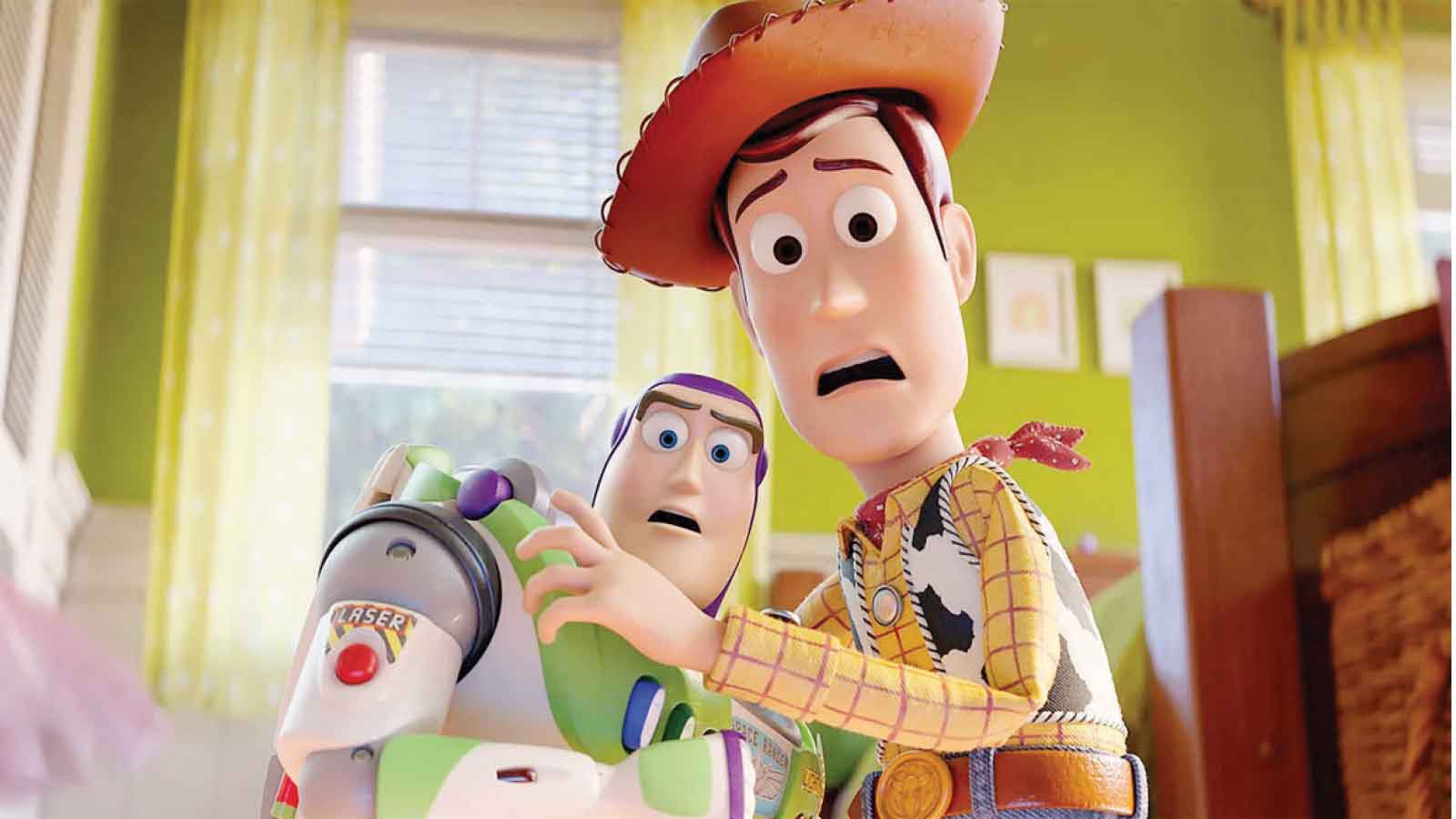
LOS ANGELES. – The latest instalment in the mega-hit Pixar franchise deals with the perils of social media and digital devices – and captures loneliness and despair among children and adults.
Pixar’s new cartoon, Toy Story 5, should have its own rating certificate: Not Suitable for Parents. Anyone with a school-age child will find the film so triggering that, if they aren’t given some kind of warning, their wailing could drown out Taylor Swift’s melancholy song on the closing credits.
The latest instalment in the Toy Story franchise revolves around eight-year-old Bonnie (voiced by Scarlett Spears). She enjoys playing with Jessie (Joan Cusack), Buzz Lightyear (Tim Allen) and the rest of her toys, but she is too shy and awkward to have any flesh-and-blood friends. Against their better judgement, her parents resort to buying her a tablet called Lilypad (Greta Lee) so that she can join in with the online games played by the girls in her dance class.
This is upsetting for the toys, who are afraid that digital technology has rendered them obsolete. But it’s more stressful for Bonnie’s parents, who fear that they are exposing her to the risk of online abuse, but who don’t want her to be a social outcast. It’s an amazingly timely plot, as the UK’s Prime Minister, Sir Keir Starmer, announced this week that social media will be banned for the country’s under-16s from next January, following in the footsteps of Australia, who became the first country to legislate such a ban last year.
Pixar’s cartoons, which take several years each to write and produce, aren’t known for being so topical. And if you have children, as I do, then you may feel as if the screenplay is personally attacking you. Never mind Backrooms or Obsession. Toy Story 5 is the most traumatising horror film of the year – for parents, anyway.
Pixar’s favourite theme
It’s not that it’s a radical departure for Pixar. The agonies of being a child, and of being an adult who cares for that child, are the studio’s favourite theme.
Whether they depict a dad fretting about his son’s first day of school in Finding Nemo or a girl being overwhelmed by her move to a new city in Inside Out, many of Pixar’s finest films seem precision-engineered to make parents feel guilty and inadequate.
That’s why they have a gut-punching power which their competitors can’t get anywhere near.
What’s different about Toy Story 5 is that it has ordinary humans as prominent characters.
Most Pixar films use magical entities as stand-ins for harassed parents (the emotions in Inside Out, the toys in previous Toy Story films).
Or else they soften the emotional blow by having parents who are also fish (Finding Nemo) or superheroes (The Incredibles).
And in the Toy Story series specifically, the children tend to be minor characters who blithely get on with life, while the toys have existential crises because they’re not being played with anymore.
There’s plenty of that in Toy Story 5, too, incidentally: it’s probably about time that Jessie stopped moaning and got over herself.
But this is the only Pixar cartoon which dwells for so long on ordinary human children being crushingly lonely, while their parents despair about what they can to do help.
The key line comes early on, when Bonnie asks her parents: “Why won’t anyone be my friend?” I may have to watch something soothing, like 28 Years Later: The Bone Temple, to recover.
That doesn’t mean that Toy Story 5 is the best entry in the series. – BBC


 Bongani Ndlovu