

 Online Reporter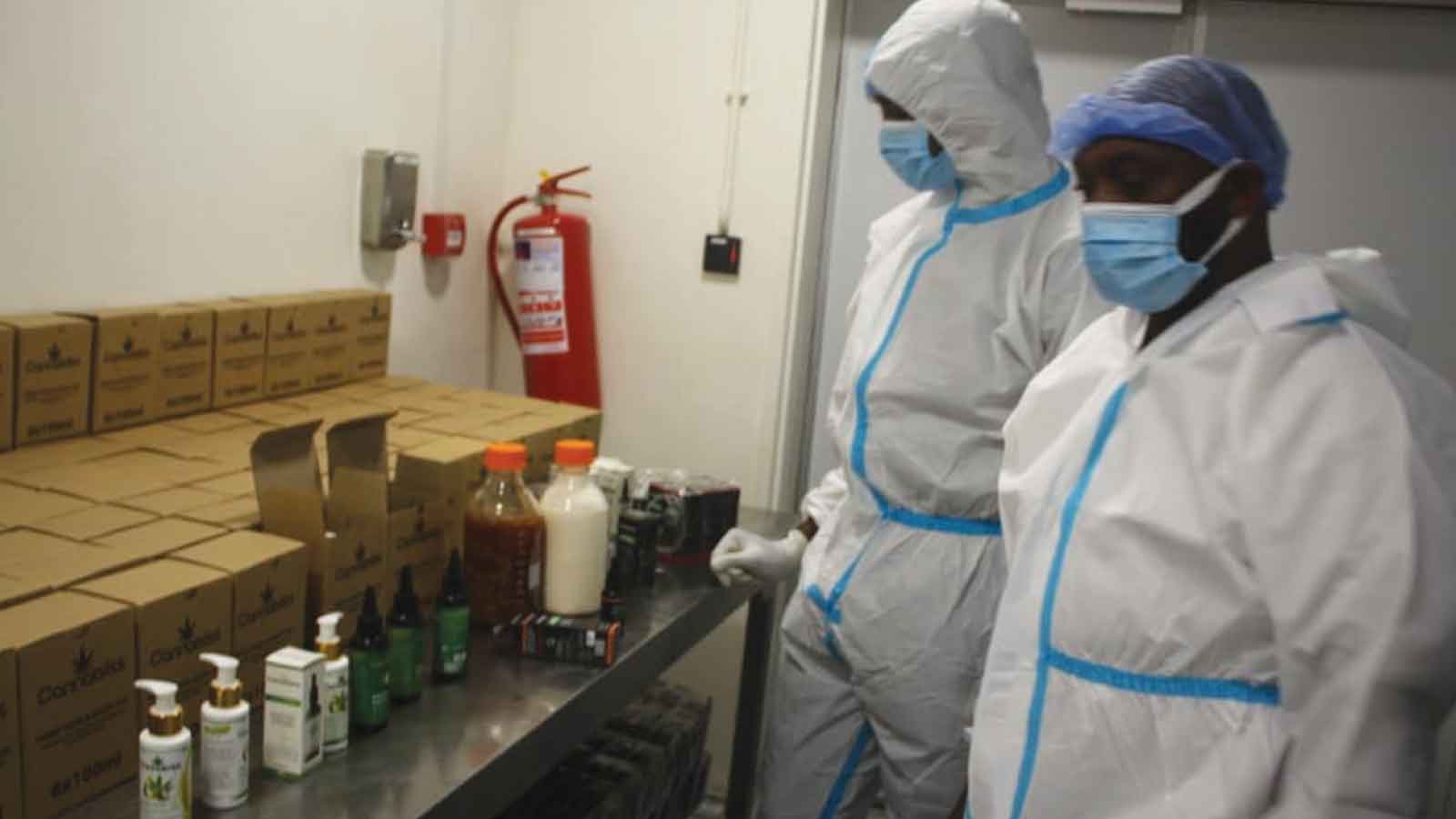
Trust Freddy
Herald Correspondent
Turning off the Rusape–Mutare Highway at Halfway House — roughly 112km from Harare — into the rolling hills of Makoni Rural District, one expects the familiar sights of maize stalks or tobacco barns.
Instead, about nine kilometres down a dusty rural track, the horizon shifts dramatically.
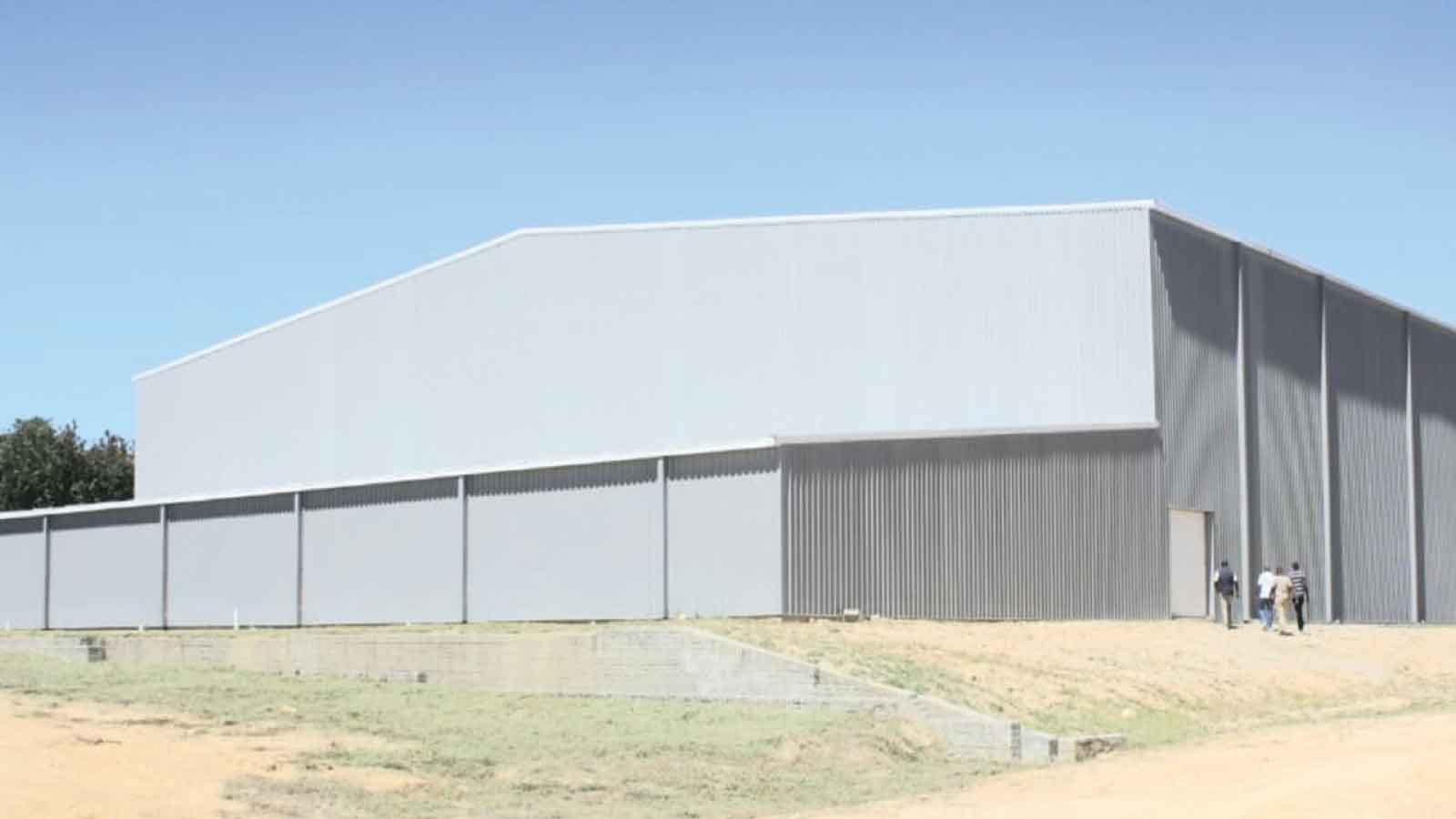
Emerging from the veld is a massive prefabricated grow house so imposing that it looks as if a piece of Harare’s Willowvale industrial area has been airlifted into the countryside.
This is the home of Ivory Medical, a multi‑million‑dollar value‑addition facility turning the Government’s vision of “green gold” into pharmaceutical reality.
For decades, the agricultural identity of Makoni Rural District was written in the golden leaves of tobacco and the green stalks of maize.
Now, a new chapter is being penned.
The catalyst? Statutory Instrument (SI) 62 of 2018.
This piece of legislation did more than legalise medicinal cannabis; it laid the foundation for Ivory Medical, a multi‑million‑dollar extraction hub that is transforming the “green gold” dream into a tangible pharmaceutical powerhouse.
The sheer scale of the structure — reminiscent of the capital’s largest tobacco warehouses — is the first thing that strikes the visitor.
The second is the security.
This is no presidential palace, yet the protocols suggest otherwise.
At the first perimeter, a sharp young security guard springs to the vehicle, meticulously recording details before the gate swings open. At a second internal gate, the process is repeated.
In the world of medicinal cannabis, where licensing fees alone hover around US$60 000, nothing is left to chance.
“There must be tight security,” explained Ivory Medical Quality Assurance manager, Mr Fortune Chagonda.
“When we were registered, it involved the Office of the President, the police, and the Ministries of Health and Agriculture. Security is a major prerequisite for an operation like this.
“The CID Drugs and Narcotics Unit even makes impromptu visits just to inspect the plant.”
While many sectors remain content with exporting raw materials, Ivory Medical is answering the call of the National Development Strategy (NDS1 and NDS2) to industrialise.
The facility is currently a hive of activity.
A massive one‑hectare greenhouse is under construction, destined to house 5 400 square metres of vertical cultivation.
“We will be cultivating our cannabis inside here for a few reasons,” Mr Chagonda said.
“Firstly, it is for security reasons, and secondly, we must have a controlled environment so that we produce cannabis of consistent quality.
“This is an area of around 5 400 square metres that we are going to have under vertical cultivation.”
By the third quarter of next year, the unit is expected to produce high‑grade THC biomass aimed squarely at the lucrative European market.
“We are targeting that by the third quarter of 2027, we will have that building fully functional,” he said.
“In there, we are going to have indoor cultivation units used to cultivate THC biomass, which is the psychoactive cannabis used for medicinal purposes.”
However, the real “magic” is already happening in the company’s secondary plant.
Entry requires clearance through fingerprint‑coded doors.
Inside, the atmosphere is unmistakably clinical. The news crew was required to don full protective gear and undergo rigorous sanitisation — an experience reminiscent of the height of the Covid‑19 pandemic.
Within this controlled environment, raw cannabis biomass is transformed into pharmaceutical‑grade products.
“In 2023, we answered the call of Government policy that speaks to the beneficiation of raw products into finished products,” Mr Chagonda said.
“We are in the business of processing and value‑adding cannabis — taking biomass from various licensed farmers and specialising in converting that into finished products.”
The facility currently produces high‑purity cannabidiol (CBD) distillate and CBD isolate crystals, each with a potency of 99,9 percent.
These active ingredients form the basis of the company’s CBD oil product line, which includes six medicines already registered with the Medicines Control Authority of Zimbabwe (MCAZ).
Quality Control Manager Mr Opulence Zhou confirmed the output levels.
“The plant is currently producing CBD distillate and CBD isolate crystals with 99,9 percent potency,” he said.
The results are already reaching pharmacy shelves nationwide.
“From these two active pharmaceutical ingredients, we formulate finished products available over the counter in pharmacies for various ailments,” Mr Zhou explained.
“To date, we have six CBD oil products registered with MCAZ.
“These are classified as pharmacy complementary medicines that can assist with sleep, stress relief, anxiety and chronic pain.”
He added that the company also produces consumer products such as hair oils, body oils and beard oils, which are available in supermarkets for cosmetic use.
The impact of the project is equally evident in the local labour market.
Ivory Medical currently employs just under 20 people and expects its workforce to grow to between 40 and 50 professionals once the main facility becomes fully operational.
The operation is powered entirely by Zimbabwean expertise.
“Currently, we employ 100 percent Zimbabwean talent,” Mr Chagonda said.
“As we expand, we also plan to partner with universities to bring in students on attachment so that they can learn about cannabis cultivation, extraction and finished‑product formulation.”



