Online Reporter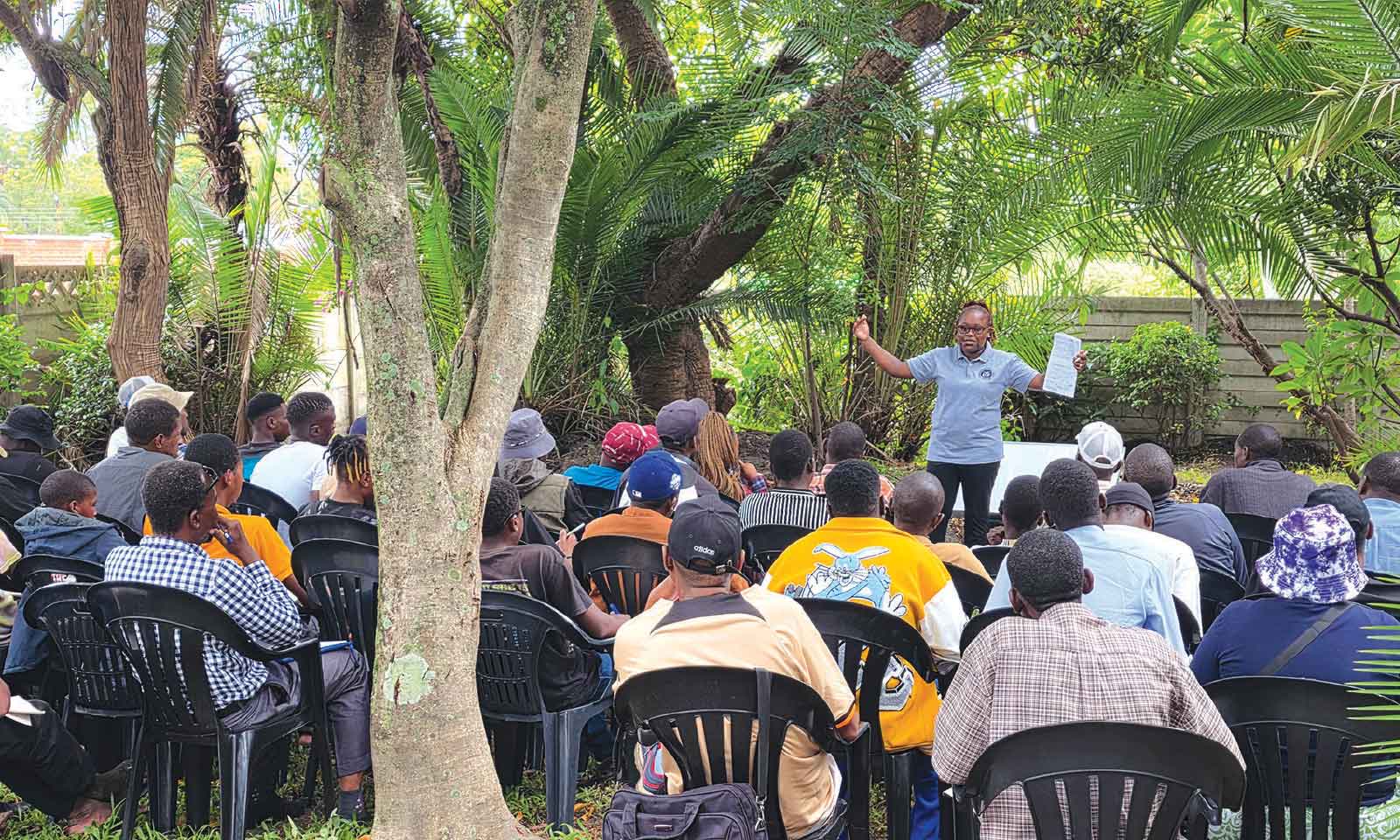
Youth Interactive Writer
THE IYF Free Academy has entered its third season with remarkable momentum, reflecting not only continuity but significant expansion in community participation.
What began as a modest initiative has steadily grown, with enrolment rising from 250 participants in Season 1, to 650 in Season 2, and now reaching over 900 participants in Season 3.
This rapid growth highlights a deep demand within communities for accessible education, mentorship and practical skill development.
A particularly encouraging development is the transformation of former students into leaders.
Several participants who once attended as learners have now returned as volunteers and instructors, demonstrating the programme’s long-term impact.
Among them is Edina Bonde, currently leading the First Aid programme. Only a season ago, she attended the academy as a Bible study participant while battling severe alcoholism and related health challenges. Through consistent participation and personal reflection, she gradually regained emotional stability and physical strength, ultimately rediscovering purpose in serving others.
Her journey reflects a broader pattern within the academy, where education extends beyond technical knowledge to include character development, resilience and hope. Today, Bonde confidently facilitates lessons and also contributes to faith-based character sessions, inspiring many participants facing similar struggles. The academy’s expansion is not merely numerical but directional. According to the organising team, the programme seeks to positively influence Zimbabwean communities by providing free access to quality skills training, enabling individuals to contribute meaningfully to their families, workplaces and society.
The team chairman emphasised this vision, stating:
“Our hope is that this programme will continue to uplift communities across Zimbabwe, allowing local residents to acquire valuable skills without financial barriers and ultimately empower them to contribute to personal growth, family stability and national development.”
Beyond classrooms, the academy has become a space of connection. Participants build networks, regain confidence and often transition into community leaders who support others. This organic cycle of learning, mentorship and service continues to strengthen the programme’s sustainability.
Government stakeholders have also taken note. At a recent graduation ceremony, guest of honour Minister Paul Mavima commended the academy as a meaningful initiative that nurtures both skills and character, encouraging its continued expansion.
As Season 3 progresses, the academy’s growth in numbers and impact suggests that its influence may extend far beyond training alone — fostering a generation equipped not only with skills, but with renewed purpose and a commitment to community development.