Bunjiwe Mkwananzi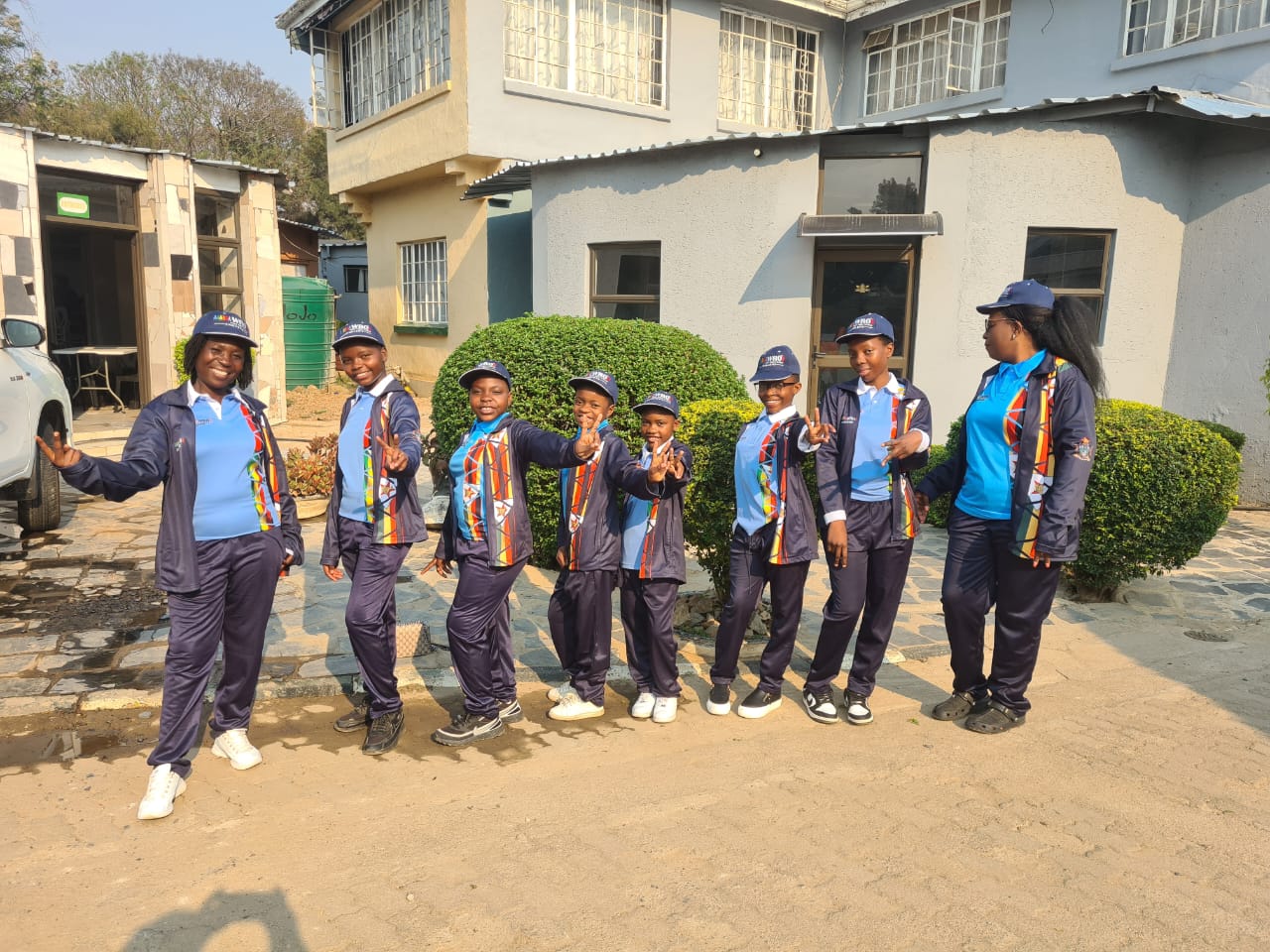
Mthabisi Tshuma [email protected]
A GROUP of pupils from Jahunda Primary School in Gwanda District have designed an application meant to curb stock theft named the ‘Smart Kraal Guard’.
The application is an automatic, low-cost system built to protect livestock and outsmarted the best young robotics minds in the country to win the ‘Robo-Starter Elementary’ title at the Zimbabwe
World Robotics Championship held in Bulawayo recently.
Born from the real pain of rural farmers who wake up to empty kraals, the Smart Kraal Guard is more than wires and sensors. It is a child’s idea of courage. The system uses smart sensors to detect movement, triggers bright lights and a piercing alarm to scare away wild animals and intruders, and instantly alerts the farmer, turning a once vulnerable kraal into a fortress that never sleeps.
What makes this victory so profound is not just the trophy, but where it came from. With no fancy lab, no big-city budget, these young innovators from a small mining town coded hope into every line, soldered resilience into every circuit and proved that world-class solutions to Zimbabwe’s everyday problems can come from the smallest classrooms with the biggest dreams.
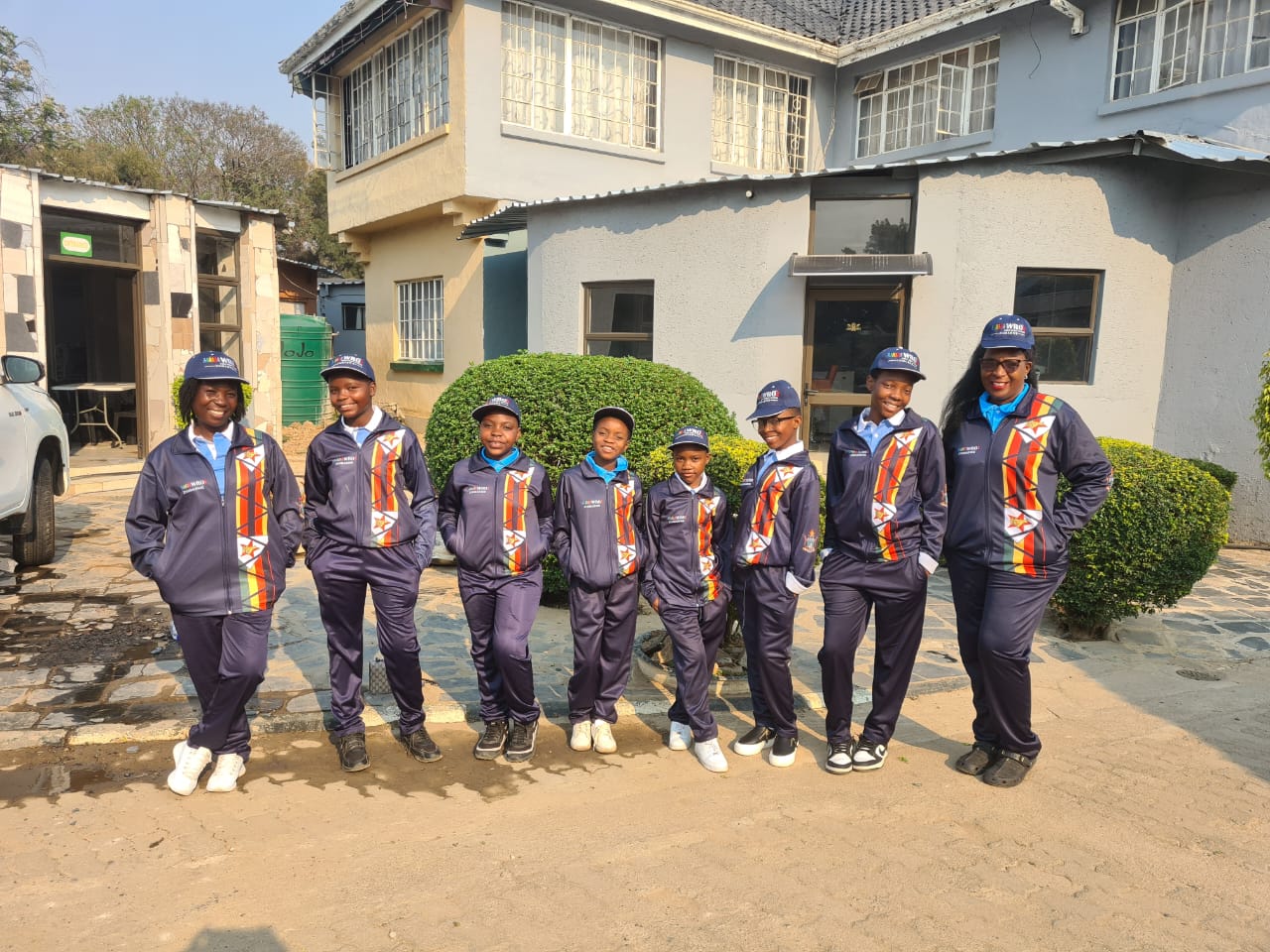
From the Jahunda Primary Robotics Club, the pupils who did the school proud are Kimberly Saguni (Grade 4), Amanda Mathema (Grade 5) and Nobuhle Sibanda (Grade 6). The school’s robotics patrons are Portia Mushana and Sibonginkosi Mugomo led by the school head, Mr Silas Moyo.
Mugomo said the application serves a valuable purpose to the community of Gwanda and beyond which is mainly into livestock farming.
“Our project is called the Smart Kraal Guard. It’s an automatic system made to protect livestock kraals from wild animals and thieves at night. We put distance and movement sensors around a model kraal,” she said.
“When something comes too close in the dark, the system automatically flashes bright lights and sets off a loud alarm. It also sends a signal to alert the farmer.
“It’s a simple, affordable tool made to solve a real problem in our local farming community, which has been affected mostly by wild animals and too many thieves.”
Mugomo said the win at the competition was due to hard work in their school Robotics Club.
“We don’t have a fancy computer lab, so we turned our classroom and school library into our workshop during club sessions. We used basic electronic kits and simple software. First, we tested our ideas using cardboard models,” she said.
“Then, we took our project outside to the school farm field and gates to test it in real light, wind and noise. What we lacked in expensive equipment, we made up for with team practice,” said Mugomo.
She said their learners got a spark for robotics through the support from Girls in STEM.
“Seeing what girls can do in science and technology got them excited to build things of their own. To make coding easy and fun, we used simple visual blocks on the screen that fit together like a puzzle instead of typing hard computer code,” she said.
“Every time they wrote a piece of code, something physical happened right away—a light turned on, a motor turned, or a horn sounded.
“We explained the parts like a story. Sensors were the eyes and ears of the robot, and the lights and buzzers were its voice. We had very few extra parts. If a sensor or wire broke, we had to fix it ourselves instead of replacing it. It was hard at first for young learners to tell if a mistake was in the computer code or just a loose wire. Downloading code packages and updates was slow, so we had to plan ahead and work offline whenever possible,” said Mugomo.
The win has become a life changing moment for the pupils and school.
“Winning top prize in the country showed them that age and where you come from don’t limit how smart you are. They no longer see technology as something only people in big cities can do,” she said.
“Now, they see themselves as inventors and future engineers. “The win had a big impact on the whole school. Older students who thought computers and coding were too hard now see that younger learners are doing it, so anyone can learn. It made the whole school proud and caused many more students to want to join the Robotics Club,” said Mugomo.
She said their next goal is to aim for international competitions and build bigger, smarter projects.
— Follow on X :@mthabisi_mthire