Online Reporter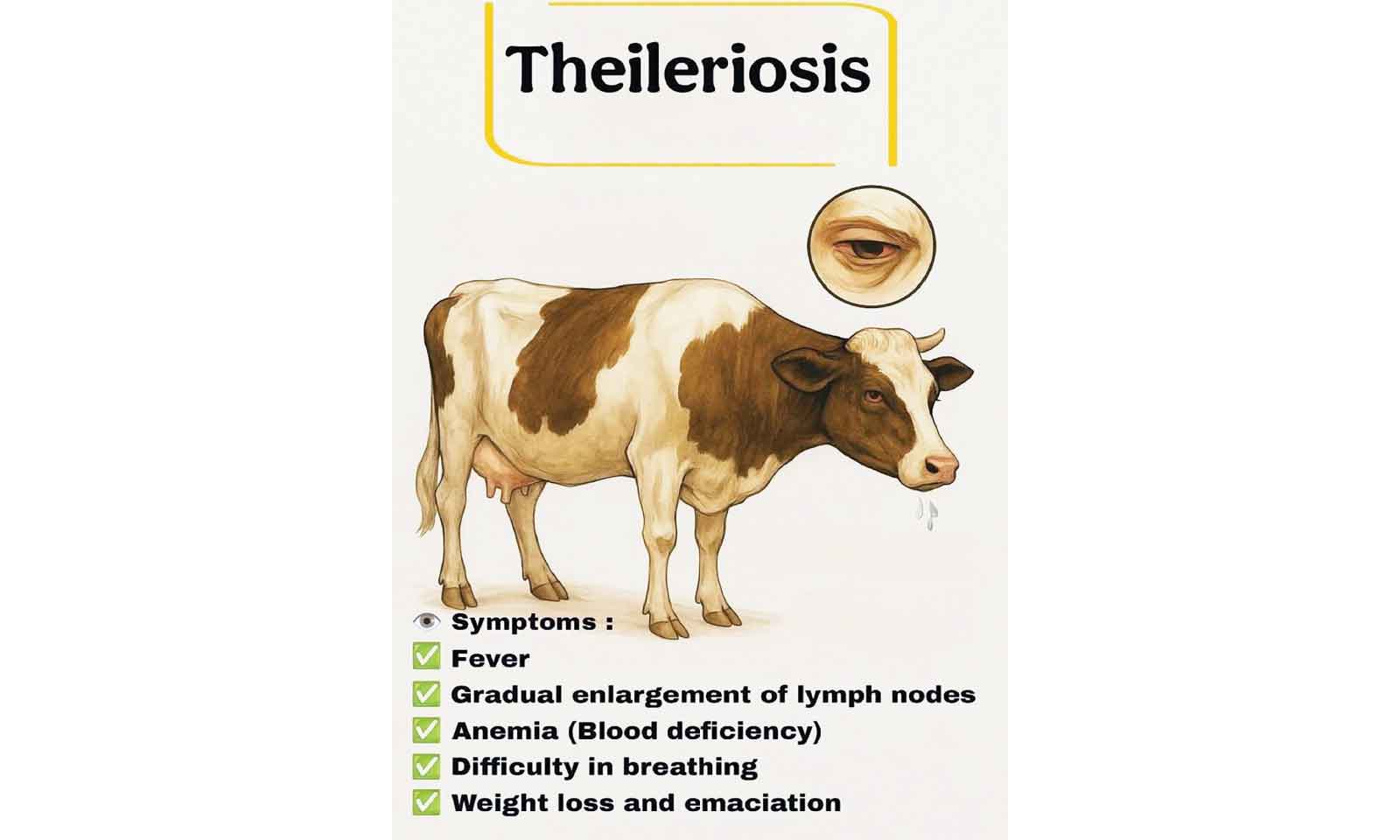
Obert Chifamba
Agri-Insight
AS Zimbabwe bids farewell to 2025 and welcomes 2026, many citizens find themselves grappling with financial woes in the aftermath of unrestricted holiday spending.
For farmers, in particular, this will not only be a critical junction at which they will be wrestling economic challenges, but will have to contend with taming the monster veterinary challenge of theileriosis (or January disease) that can devastate large cattle herds in a very short space of time.
And while the holiday celebrations are palpable, it is the farmers who will feel the impact of January disease, as they have to contend with the harsh reality of financial strain post-Christmas and the ever-looming spectre of January disease that can leave them without any cattle to their names.
Besides the January disease scare, many farmers are also still haunted by the shadows of delayed payments from last season amid firming possibilities of carrying the worries over into the new year. The month of January marks not just the end of holiday excesses, but also the dawn of new anxieties for many of such farmers.
Typically, every January arrives with its traditional financial hangover and the unsettling threat to livestock health given that theileriosis will be stalking the livestock sector, reminding farmers of their past losses. This is a month that will truly test their resilience in the face of adversity.
The question now lies in how the farmers work themselves out of this catch-22 situation and kick-start their operations for the novel year. The transition from one year to the next is one that tests farmers’ capacity to maintain a balancing act between taking care of both their socio-economic and farming obligations.
It is important for farmers to implement several strategies to address the January financial hangover and the risks associated with theileriosis effectively. They may start by addressing the January financial hangover by creating detailed budgets for everything they need to do. This will be the time for them to outline their expected incomes and expenses for the month of January. The budgets must prioritise essential expenditures and only take on board less-pressing matters if the budgets adequately cover the key ones.
It may even be necessary for the farmer to set up an emergency fund through building a small reserve to help manage unexpected expenses or financial shortfalls. By so doing, the farmer will be putting in place a cash flow management system that will allow her to diversify income streams.
The decision to explore additional income sources, such as selling surplus produce, offering agricultural services, or engaging in side businesses may not be a bad one at this point, as every dollar earned will contribute to the containment of the challenge that comes with overspending during the festive season.
In some cases, the farmer may even need to negotiate payment terms with service providers and creditors to extend deadlines and allow for more time to manage cash flows. The idea of joining a cooperative or even leading the formation of one is also a good one at this point. The strength that comes with numbers becomes crucial for survival, as it sets the stage for collaborative actions with other farmers. Cooperatives usually come with the advantage of collective bargaining power for better prices, while promoting the sharing of resources.
Farmers can also consider approaching organisations or businesses that offer financial services and explore the possibility of securing agricultural loans.
They, however, need to first get more information on loans specifically tailored for farmers and come with flexible repayment terms post-harvest. It is always important to consult their extension officers or better-performing farmers before making such decisions to avoid dealing with unscrupulous financial sources that end up leaving them more impoverished than they were before.
Today, there are many development organisations and Government departments that are willing to work with farmers by extending financial assistance through loans that are repaid at the end of the season. It is such organisations that farmers in distress should look for and get help.
However, the rule of thumb is that after securing a loan, the farmer must repay at the agreed time and where prospects of failure to do so are showing, it may be necessary to inform the creditor and allow them to assess the situation. On the part of the creditor, it is also important to be honest and stick to terms agreed in the contract. We have had cases of creditors ending up fighting with debtors (farmers) after new clauses would have emerged in contracts, but would not have been there at the time of signing.
Away from the hassle of the January financial woes, the farmer must also remember that theileriosis remains looming and waiting to strike each time he loses his guard. It is therefore important to take preventive measures that ensure it does not resurface to bother his animals. This is possible through vaccination programmes that the Government rolls out yearly in January disease hot spots. The mere act of availing cattle for vaccination is one sure way of curtailing the re-emergence of the disease that is spread through tick bites.
All farmers must make it their responsibility to vaccinate cattle against theileriosis where vaccines are available, and encourage regular veterinary check-ups so that potential outbreaks are detected before they explode.
It is exciting to note that the country is now producing its own Bolvac vaccine, which makes it prudent for serious cattle farmers to be proactive and buy it and do their own vaccination programmes.
Of course, they have to engage their veterinary extension officers for guidance on the administration of the vaccines. These extension agents can even take over the vaccinating or help with instructions.
On the one hand, farmers may also invest in effective tick control measures, such as dipping, spraying, or using acaricide-embedded feed. It is also necessary for farmers to receive training on livestock management. They need to participate in workshops and attend training sessions on livestock health supervision and best practices for disease prevention. Farmers must also not forget to establish strong relationships with veterinarians for timely advice and support.
The other trick they can employ to contain possible outbreaks of January disease is through conducting regular health assessments of livestock to address symptoms early. It is also important for them to keep detailed records of their animals’ health, vaccinations, and any instances of theileriosis to track trends and manage outbreaks.
While all this is happening, farmers must also ensure that their animals receive adequate nutrition to strengthen their immune systems, making them less susceptible to diseases. The cattle’s living conditions should also be maintained clean to reduce stress and minimise disease spread.
Financial resources, on the other hand, must also be productively deployed, with priority being given to high-impact areas such as purchasing feed or investing in health measures to yield immediate returns. This has to be preceded by an assessment of the potential return on investment, focusing on those that support both immediate economic needs and long-term farming sustainability.
It is, however, fast becoming apparent that all the solutions discussed in this offering are only achievable if there is sound financial muscle. This means farmers and non-farmers alike, must always spend wisely with each holiday that comes and desist from lavish spending that ends up crippling their efforts to develop.C