Online Reporter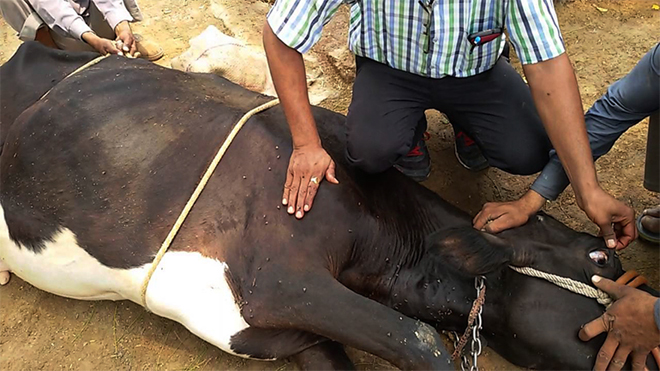
Lovemore Kadzura
Post Reporter
THE Department of Veterinary Services (DVS has imposed urgent quarantine orders in parts of Manicaland after confirming the notorious January Disease outbreak affecting four dip tanks in Chimanimani and Mutasa districts.
Authorities acted to contain the tick-borne disease after cases were detected at Chiramba, Matendeudze and Chinyamutangiwa dip tanks in Chimanimani, and one in Mutasa.
A total of 2 045 cattle at the three Chimanimani dip tanks are considered at immediate risk.
District veterinary teams have restricted all cattle movement in and out of the affected areas, and launched intensive dipping and surveillance programmes.
Officials said the measures are critical to prevent further spread and protect the province’s livestock sector.
Farmers have been urged to comply with control regulations and report any suspected cases to veterinary authorities without delay.
“Following the Theileriosis confirmed case on July 3, 2026 at Matendeudze Dip Tank, we have resolved to place the following dip tanks — Chiramba, Matendeudze and Chinyamutangiwa — under quarantine as the first mitigation measure to prevent the spread of the disease across the district and beyond,” read the order.
Manicaland Provincial Veterinary Director, Dr Takunda Chikaka said dipping has been intensified in the affected areas, and urged farmers to comply with authorities and avoid livestock movement to curb the spread of the disease to other areas.
“There is a current outbreak of Theileriosis in Chimanimani and Honde Valley in Mutasa District. We have put in place quarantine orders in the affected areas as measures to curb the spread of the disease. We have reverted to weekly dipping as we were supposed to be dipping fortnightly in these areas. There are control efforts currently on going as well as awareness campaigns to contain the outbreak.
“Farmers have to follow the quarantine order because the movement of livestock can spread the disease. We are encouraging farmers to take their animals to dip tanks for the weekly dipping sessions that we are implementing as a measure to break the brown ear tick cycle. For clinical cases we are encouraging the treatment of animals using the recommended drugs which are effective against the disease.
“There are reported deaths of cattle in the affected area but we cannot share the numbers but this outbreak is not as severe as the one we experienced at the beginning of year 2026. We are in the process of trying to manage the outbreaks,” said Dr Chikaka.
January Disease is a fatal tick-borne disease caused by Theileria parva, which is transmitted by the brown ear tick. The disease is characterised by fever, swollen lymph nodes, loss of appetite and difficulty breathing, and can result in cattle mortality if not detected and treated early. A severe outbreak of Theileriosis ravaged communal cattle farming regions across Manicaland in January this year, putting the provincial herd at risk, jeopardising food security and livelihoods of rural communities reliant on cattle farming.
The tick-borne disease has already claimed numerous cattle since its outbreak in January 2026, with numbers continuing to surge due to inadequate dipping practices, as investigations show that some of the affected communities last dipped their cattle in December 2025.
The disease upsurge is largely blamed on an acute shortage of dipping chemicals, which resulted in a serious disruption of the communal dipping programme, which should see cattle dipping weekly.
The situation has also remained desperate as chemical suppliers are facing challenges accessing forex to import active ingredients from China for the manufacturing of the needed acaricides.
To curb the spread, DVS has reverted to weekly dipping to break the tick life cycle, and rolled out awareness campaigns on disease recognition and reporting. Veterinary teams are conducting inspections, clinical treatment of infected animals with approved drugs, and strict livestock movement controls at dip tanks and border posts. Recognising the recurring economic toll of the disease, Government has also prioritised long-term solutions through research and local production.
Authorities continue to urge farmers to comply with dip schedules, report suspected cases immediately, and avoid undocumented livestock movement, as Zimbabwe moves to protect its national herd and secure the livelihoods of thousands of rural households dependent on cattle.