daniel chigunwe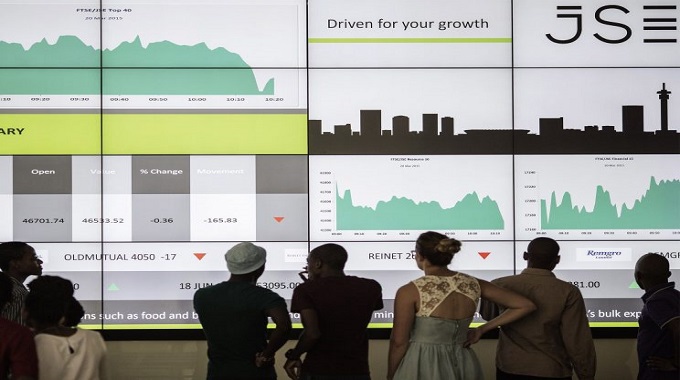
The JSE closed out the first half of 2023 firmly in the green, triumphing over a rough six months characterised by weaker commodity prices, record load shedding, and a rand rout largely induced by South Africa’s relations with Russia.
The benchmark All Share Index (Alsi) closed the first half just over 4 percent stronger.
While the JSE returned a result that “has not been bad at all”, according to Wayne McCurrie of FNB Wealth and Investments, it has not been able to keep up with its global peers.
The US market performed nearly four times better, with the benchmark S&P 500 index gaining 15.9 percent over the period, largely on the back of bullish tech stocks.
Biggest losers
The big losers among the JSE’s large-cap stocks are resources companies, where share prices have been depressed by a much softer-than-expected recovery in China’s economy, which came out of an extended Covid lockdown at the end of last year.
Platinum miners have been hammered the most, with the three worst-performing stocks coming from this segment of the mining sector.
Leading the losses is Anglo American Platinum (Amplats), which is heavily exposed to platinum. Its share price plunged 42 percent between January and the end of June. Impala Platinum (Implats) and Sibanye-Stillwater follow — down just over 41 percent and over 38 percent respectively.
“Commodities in general have just been under pressure because of commodity prices,” Peter Takaendesa, head of equities at Mergence Investment Managers, tells Moneyweb. “The share prices are really just following what’s happening to commodity prices.”
“The Chinese economic recovery has not been sustaining the recovery from Covid that everybody was expecting,” adds Takaendesa.
Also featuring on the list of stock price losers are consumer-facing and banking stocks such as Capitec, Absa, and Pepkor — all down by double digits.
Capitec has a less diversified lending book, which is concentrated in the lower end of the market and is 100 percent exposed in South Africa. Absa, on the other hand, has had to make huge provisions to cushion against the sovereign debt crisis in Ghana, where it has a sizeable presence.
Bellwether retailer Pepkor, which typically is better able to weather the storm as consumers trade down amid waning discretionary spending, did not manage to escape the losers’ list. Its share price has fallen 18 percent in the first half of 2023.
“(Many) SA-related (shares) got a whacking,” says Anchor Capital CEO Peter Armitage, making specific mention of retailers and food producers that have had to contend with the rising cost of running operations as a result of load shedding.
“Inflation is quite big on the input side and manufacturing is always very difficult in the context of load shedding,” adds Armitage.
“And the consumer is under pressure, so they can’t pass price increases. They are already very squeezed.”
The winners
On the upside, Naspers and Prosus (with the biggest weightings on the JSE) were the biggest contributors to the market’s performance, both gaining more than 13 percent.
Cape Town-based tech giant Naspers announced last week that it would be undoing its cross-shareholding structure with Prosus, which investors largely viewed as negative.
This and its share buyback plans were very big drivers of the upside in the market, says McCurrie.
He highlights Richemont’s strong performance too. This group also undertook a ‘share consolidation’ this year.
Although China’s mixed recovery has not been able to support commodity stocks, it has propped up consumer demand for luxury goods, which Richemont is benefiting from. — Moneyweb



 Online Reporter