peter
peter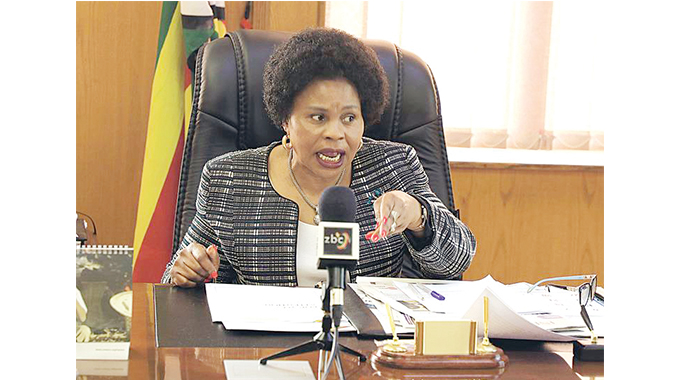
Bruce Ndlovu, Sunday News Reporter
ZIMBABWE is set to conduct its fifth population census beginning April next year, with results expected in August of the same year.
The census will pave way for constituency delimitation ahead of the elections in 2023. Announcing the time for the census and delimitation exercise Information, Publicity and Broadcasting Services Minister, Minister Mutsvangwa told a post Cabinet briefing that for the first time, the Zimbabwe National Statistical Agency (ZIMSTAT) would go the paperless route for the census exercise.
“For the first time in the history of Zimbabwe, the Zimbabwe National Statistical Agency (ZIMSTAT) will go paperless during census enumeration since the Computer Assisted Personal Interviewing (CAPI) technique will be employed during data collection. Given that this is the first time Zimbabwe will use the paperless CAPI technique, more than one pilot census will be run to test the technology, with re-tests being conducted. This will last up to the first quarter of 2022. The actual population census will therefore start in April 2022, with the Census results expected in August 2022, paving way for the Constituencies Delimitation in October 2022 (31 December 2022 being the last day allowed for delimitation),” she said.
Minister Mutsvangwa despite a delay caused by the Covid-19 pandemic, preparations for the census were now on track.
“Government assures the nation that, in spite of preparations for the exercise having been affected by the Covid-19 pandemic, the country remains on course to conduct the Census within the prescribed timeframe for the 2023 Elections. The Ministry of Local Government and Public Works is expected to conclude the boundary proclamations for Wards, Districts and Provinces in order to ensure that enumeration areas are correctly assigned,” she said.
Minister Mutsvangwa said despite having lost a significant amount of time to the Covid-19 pandemic, census mapping was now done for 55 percent of the country.
“Census field mapping involves subdividing the whole country into smaller geographical units called enumeration areas with an average of 80 to 120 households. Cabinet is pleased to report that 55 percent of the country has so far been successfully mapped, despite up to 10 months of programmed time having been lost to Covid-19 restrictions,” she said.



 Online Reporter