

 Online Reporter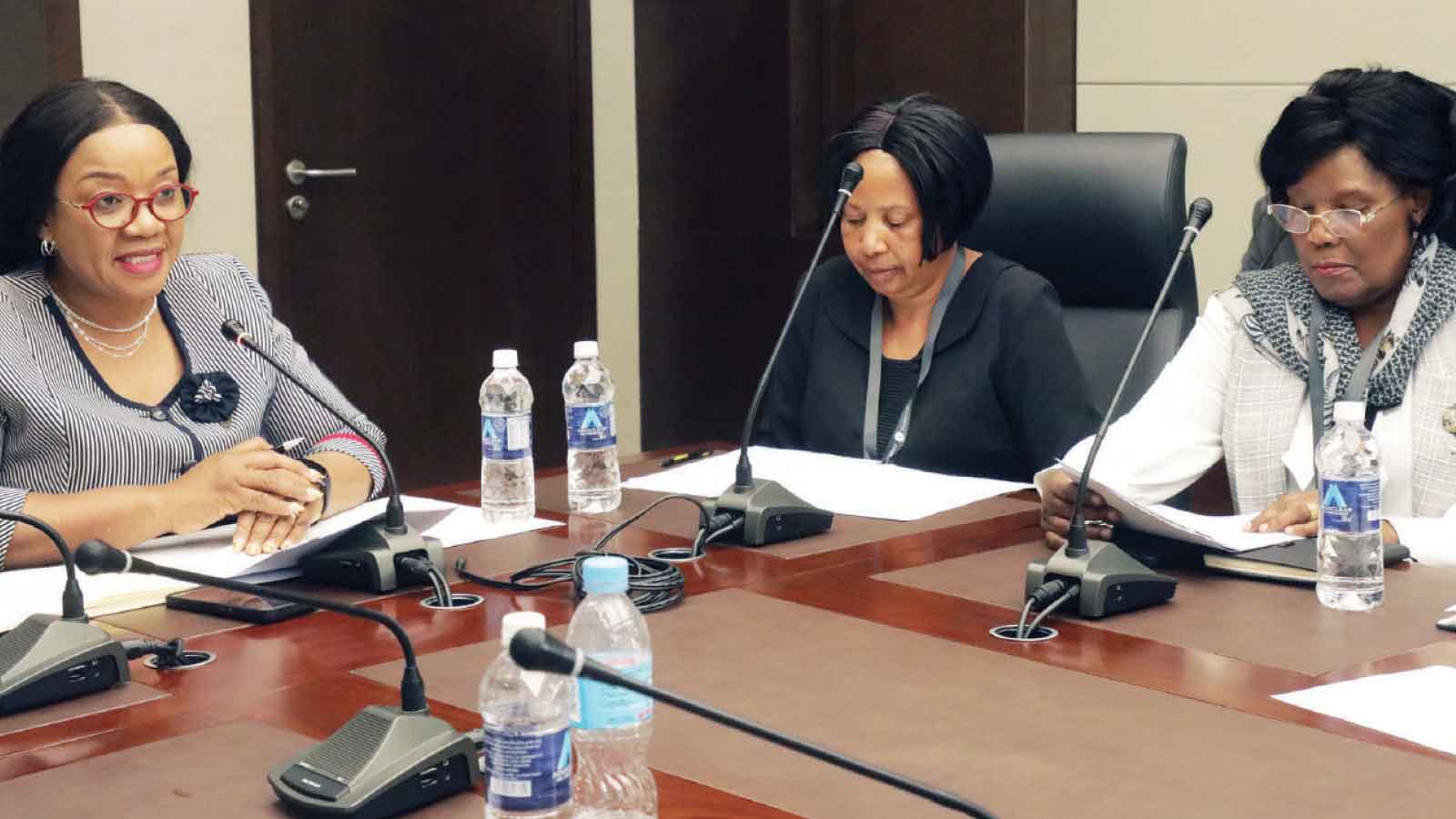
Nyore Madzianike
Senior Reporter
The Ministry of Justice, Legal and Parliamentary Affairs has blamed operational incapacity for its failure to meet national targets for the rehabilitation of criminal offenders.
The ministry rehabilitated over 7 000 offenders in 2025 against a target of 10 700 — a success rate of 68 percent.
The shortfall of 3 476 offenders was attributed directly to logistical barriers that prevented officials from effectively monitoring those serving community service sentences. The disclosure was made by the Ministry’s Permanent Secretary, Mrs Vimbai Nyemba, while presenting oral evidence on the 2025 second‑ and third‑quarter budget performance before the Parliamentary Portfolio Committee on Justice, Legal and Parliamentary Affairs at the New Parliament Building in Mt Hampden.
“The ministry acknowledges the significant gap between our set target of 10 700 rehabilitated offenders and the actual performance of 7 224,” Mrs Nyemba said.
“While we remain committed to the mandate of restorative justice and community integration, several critical logistical barriers severely hampered our operational capacity during the 2025 budget period. The ministry achieved approximately 68 percent of its intended target. The shortfall of 3 476 offenders is a direct consequence of our incapacity to access offender employment stations in order to monitor and enforce community service orders effectively.”
Mrs Nyemba said the ministry frequently lacks adequate vehicles and sufficient fuel to enable officers to carry out monitoring duties.
“There is a lack of operational capacity to ensure that offenders are properly monitored. Institutional supervision is the backbone of community service,” she said.
“To ensure that court orders are strictly enforced, officers must be mobile and conduct frequent, unannounced visits to various placement institutions. We do not have adequate motor vehicles. We do not even have bicycles.”
She further noted that offenders sentenced to community service sometimes fail to report to their assigned workplaces and go unchecked — not due to negligence, but because of resource limitations.
“Those who are given community service sentences sometimes fail to turn up at their assigned workplaces. They remain unmonitored, not because of anyone’s fault, but because of limited resources. The more than 7 000 offenders we managed to rehabilitate is, in fact, a significant achievement given the shortages we face,” she said.
Mrs Nyemba also cited fuel shortages as a major operational obstacle. “Ordinarily, officers should be provided with fuel to mitigate the negative impact of limited mobility. Unfortunately, Treasury regulates the quantity of fuel each ministry, department or agency is permitted to procure per month,” she said.



