Online Reporter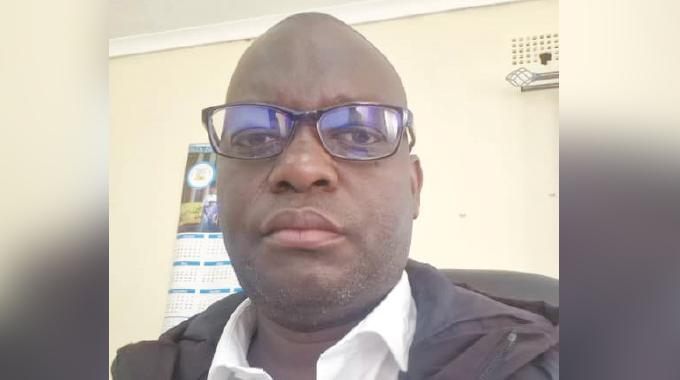
Patrick Chitumba, [email protected]
FOR a person with a disability seeking justice, the journey can begin with a barrier — an inaccessible police station, a lack of sign-language interpretation or an interview room that offers little privacy for reporting a sensitive crime.
These challenges are leaving some persons with disabilities struggling to report crimes, participate in investigations and give evidence, with barriers affecting them as victims, witnesses and accused persons.
The gaps in the justice system were highlighted during the Fifth Regional Convention on Access to Justice for Persons with Disabilities in Africa, hosted annually by the Centre for Human Rights, Faculty of Law at the University of Pretoria in South Africa.
The convention was held from 17 to 18 September 2026 in Johannesburg and brought together participants from different African countries and stakeholders across the justice delivery chain.
Speaking at the gathering, Midlands State University (MSU) legal officer, Mr Sheperd Robert Mafa said justice delivery systems must be redesigned to ensure that PWDs access justice in the same manner as other people.
He presented on barriers affecting the investigation and prosecution of cases involving PWDs, highlighting challenges within law enforcement and judicial processes.
“When we talk of investigation in criminal matters, that is a process of finding out what happened, who possibly did it, and gathering evidence, among other issues,” he said.
“The key elements include receiving and recording a report, initial response and securing a scene, witness interviews, follow-up on leads, and quite a number of issues until a matter is brought to court for prosecution.”
However,Mr Mafa said these processes were often difficult for PWDs because police stations and other justice institutions were not adequately equipped to accommodate their needs.
One of the major challenges, he said was communication, particularly for people with hearing, speech or visual impairments.
“The barriers that come into play, especially with regards to persons with disabilities, include a lack of communication,” Mr Mafa said.
“Imagine in a police station in Zimbabwe, we do not have professionally trained officers who can interpret sign language. We also don’t have officers who can maybe read Braille.”
He said the absence of specialised communication support could compromise investigations where a person with a disability is either reporting a crime or facing allegations.
“If someone with a speech impairment reports an issue, or is reported as an alleged offender, how do the police officers interview that person? That’s a challenge,” he said.
Physical infrastructure also remains a major obstacle, with some police stations and court facilities lacking basic accessibility features for wheelchair users and other people with mobility challenges.
“The interview rooms are very small and crowded. Just visualise a situation where you get into a charge office — there are a lot of people there and someone has to narrate or report some sexual violence that has been perpetrated upon them,” he said.
“Most police stations are not accessible using wheelchairs. A victim, a witness, or a stakeholder in a wheelchair has difficulties in accessing police stations.”
Mr Mafa said transport was another challenge, while social attitudes towards disability were also undermining access to justice, particularly where people with intellectual or psychosocial disabilities were involved.
“There is the wrong assumption that persons with intellectual or psychosocial disabilities are not reliable witnesses. Because of that, some cases end up not being pursued,” said Mr Mafa.
He highlighted the vulnerability of people dependent on relatives or caregivers, saying some victims could be reluctant to report abuse for fear of losing support.
“It becomes a problem to report those cases for fear of losing support,” said Mr Mafa.
He called for continuous training of police officers and other justice-sector personnel to improve the handling of PWDs, children and other vulnerable witnesses.
Such training, Mr Mafa said, should cover communication, interviewing techniques and appropriate procedures, including allowing vulnerable witnesses to take mandatory breaks during interviews.
“Witness protection mechanisms should also be strengthened to protect victims who risk retaliation, displacement or loss of support after reporting abuse committed by relatives or caregivers,” said Mr Mafa.
“The use of the Integrated Electronic Case Management System already in use can go a long way in addressing some of the challenges, but this requires improved internet connectivity throughout the country so that no one is left behind.”
Mr Mafa further called for the strengthening and resourcing of Victim Friendly Units (VFUs), alongside the expansion of special measures in courts to protect vulnerable witnesses.
“Special measures in court are already happening where the gallery is cleared so that the vulnerable witnesses do not feel intimidated when giving evidence,” he said.
“These are already in place, but more resources need to be allocated because not every court has those facilities. If every court can have that facility, that will go a long way in improving access to justice for persons with disabilities.”
Mr Mafa said the discussions were broader than the roles of police, prosecutors, magistrates and judges as they also recognised the contribution of health personnel, psychologists, social workers, intermediaries, interpreters and prison officials.