Online Reporter
Prosper Dembedza
Herald Correspondent
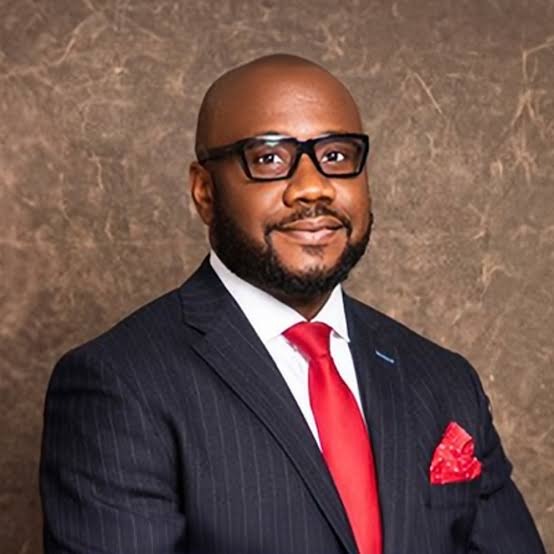
HARARE regional magistrate Ms Jessie Kufa has denied bail to Alliance Holdings executive chairperson and former Confederation of Zimbabwe Industries (CZI) president Joseph Kanyekanye (58), who is accused of forging documents allegedly submitted to the Ministry of Finance under the false claim that they had been processed and approved by the President.
Kanyekanye is also facing extortion and money laundering charges.
The State had opposed bail on Monday before calling the investigating officer, Detective Obey Mutambo from Law and Order, who concurred with the Prosecution that Kanyekanye was not a proper candidate for bail.
Det Mutambo said Kanyekanye was likely to interfere with digital evidence, such as e-mails and WhatsApp messages, once set free.
He said if Kanyekanye was released, he might remotely access data and delete crucial information that they need to use during the trial.
Det Mutambo said the offence was committed on e-mail and WhatsApp messages, which Kanyekanye used to send the forged documents.
“There are also witnesses who are still to be interviewed, and they are subordinates of the accused person and the likelihood of him interfering with them is very high.
“In my view, there might be other people in the Ministry of Finance who participated in this offence, facilitating the forged documents, the accused might interfere with them as well,” he said.
Detective Mutambo said the accused is facing a serious offence involving the highest office of the land.
He added that Kanyekanye dared to forge instructions on behalf of the president. On the first count of extortion, the complainant is Pharmaceutical and Chemical Distributors (PCD) Private Limited.
It is the State’s case that sometime from April 14, 2026 and April 17, 2026, the accused and his accomplices, who are still at large, intentionally exerted illegitimate pressure on PCD by demanding payment of money which was not due to him.
Kanyekanye allegedly said that the money was for the national Independence Day celebrations in Maphisa, Matabeleland South.
It is alleged that Kanyekanye abused President Mnangagwa’s name while extorting the funds.
In addition, he threatened the complainant with unspecified consequences if the company refused to transfer the demanded money.
As a result of the pressure exerted by Kanyekanye on the complainant, PCD released US$663 480, which was transferred from a trust account to a Jemina Capital CBZ account number 10825844540029 on April 17, 2026.
On the second count of fraud, PCD is again the complainant. The court heard that between March 2026 and April 17, 2026, Kanyekanye, acting with still-unidentified accomplices, deliberately deceived the Ministry of Finance and Investment Promotion.
He forged payment instructions on a letter falsely claiming to be from the complainant, asking the Permanent Secretary to release funds from his Treasury Bills.
Kanyekanye knew the contract with the complainant had ended and that neither the complainant nor the President’s office had authorised the letter.
The ministry, believing the instructions came from the President’s office, paid US$1, 8 million into the complainant’s account. The complainant then transferred US$884 641 to his lawyers’ trust account.
To illegally obtain the funds, Kanyekanye showed the forged letter to both the lawyer and the complainant, falsely claiming the money was urgently needed for Independence celebrations in Maphisa, or else the President would cancel the funds and future payments. Believing this, the lawyer’s trust account transferred US$663 480 to a Jemina Capital CBZ account (number 10825844540029) provided by Kanyekanye on April 17, 2026.
The money was never used for the stated purpose but benefited Kanyekanye and his accomplices, it is alleged.
On count three, money laundering, the State is the complainant. Between March and April 17, 2026, Kanyekanye, again acting with un-arrested accomplices, allegedly converted US$ 663 480—proceeds from the earlier fraud and extortion—by transferring it to various third-party accounts to hide its illegal origin, nature and ownership